What Is the Best Time to Go Gorilla Trekking?
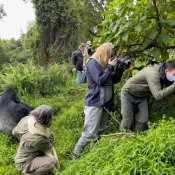
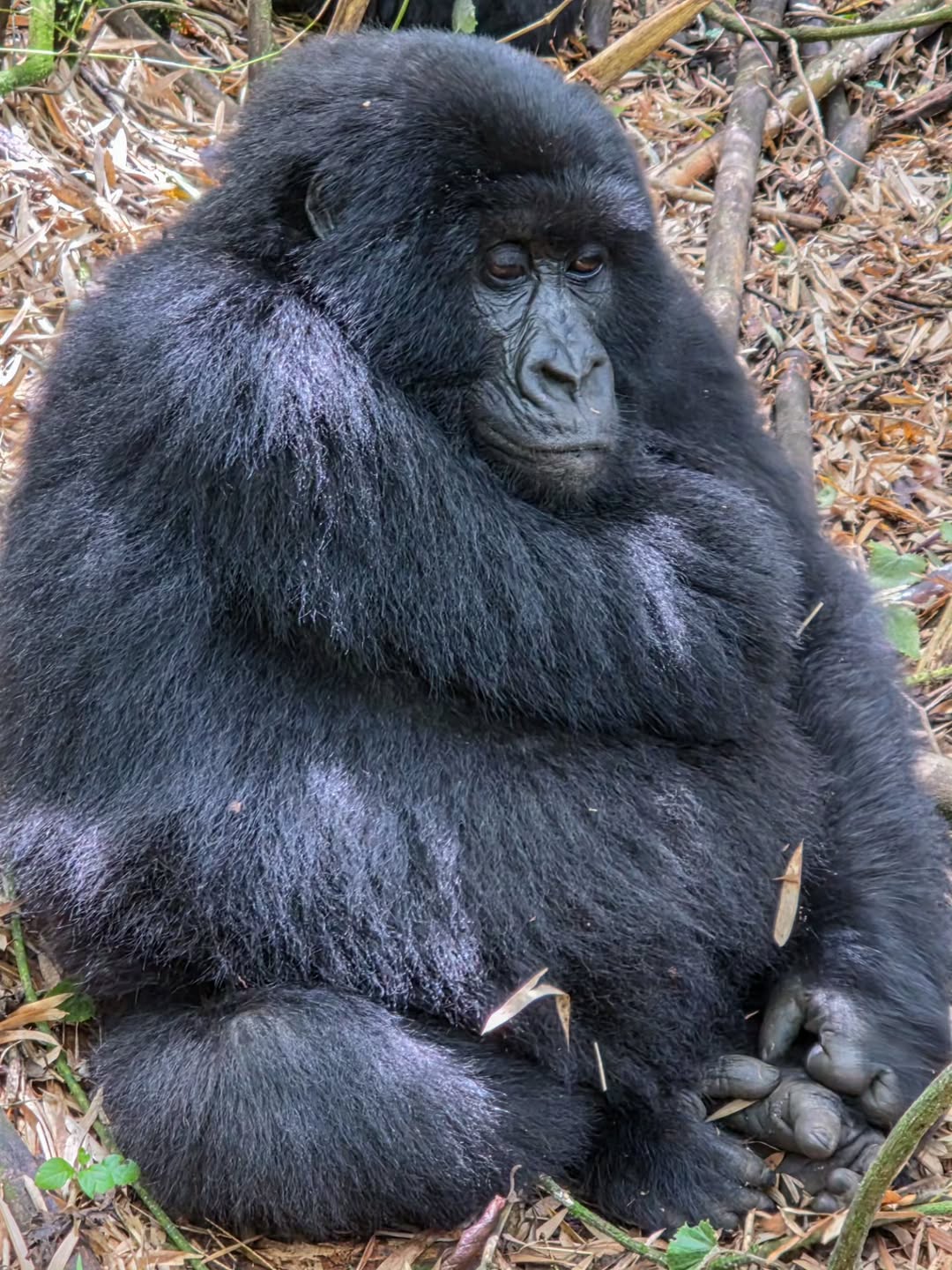
Gorilla trekking is one of Africa’s most moving wildlife encounters — a transformative journey that takes you deep into lush tropical rainforests, where you can stand just meters away from a family of endangered mountain gorillas. Every trek is an emotional and physical adventure, combining nature, conservation, and cultural immersion.
But if you’re planning this bucket-list experience, one of the most important questions is:
“When is the best time to go gorilla trekking?”
The best time largely depends on your priorities — whether you want easier hiking conditions, great photography lighting, fewer crowds, or lower travel costs. This guide dives deeply into each factor, explaining the seasons, weather, destinations, advantages, and challenges for each time of year in Uganda, Rwanda, and the Democratic Republic of Congo (DRC).
Understanding Gorilla Trekking Seasons
 The gorilla trekking regions of East and Central Africa lie close to the equator, so while temperatures remain fairly stable year-round (between 20°C and 28°C / 68°F–82°F), the main variable is rainfall.
Rain shapes every part of the trekking experience — from trail difficulty to gorilla movement.
There are two dry seasons and two wet (rainy) seasons, each offering distinct benefits.
1. The Dry Seasons (Peak Season)
Months: June to September and December to February
These are considered the best months for gorilla trekking in both Uganda and Rwanda. During this period, the rainforest is less muddy, trails are firmer, and gorilla sightings are easier as the paths are clearer.
Why Trek in the Dry Season?
-
Easier Hiking Conditions:
The drier weather makes trekking more comfortable. Trails are less slippery, and the forest undergrowth is thinner. -
Reliable Weather:
Clear skies mean more sunlight filtering through the forest canopy — perfect for photography and comfortable temperatures during long hikes. -
Better Wildlife Viewing:
Gorillas often move to higher ground during the dry months, making for scenic encounters in misty mountain terrain. -
Ideal for Multi-Activity Safaris:
If you plan to combine gorilla trekking with a classic Big Five safari in Uganda’s Queen Elizabeth National Park or Kenya’s Maasai Mara, these months provide the best overall conditions. -
Higher Permit Demand:
Because this is the prime season, gorilla trekking permits often sell out months in advance. Booking 3–6 months early is highly recommended.
Things to Note
-
Expect slightly higher accommodation and permit prices.
-
The forest may appear less lush, so photography may lack the deep green tones typical of the wet season.
2. The Wet Seasons (Low or Green Season)
Months: March to May and October to November
These months mark the low season for gorilla trekking — a time when rain showers are frequent, trails are muddy, and trekking becomes more adventurous. However, it’s also one of the most rewarding times for those who seek an intimate and atmospheric experience.
Why Trek in the Wet Season?
-
Fewer Tourists:
With fewer trekkers in the forest, you’ll enjoy a quieter and more personal experience with the gorilla families. -
Lush Green Forests:
Heavy rains rejuvenate the jungle, creating a vibrant and photogenic backdrop for gorilla photography. -
Closer Gorilla Groups:
Food is plentiful during the rainy season, so gorilla families don’t move as far up the mountains — reducing trekking distances for some groups. -
Discounted Rates:
Lodges and tour operators often offer lower prices during this time, making it perfect for budget-conscious travelers.
Challenges
-
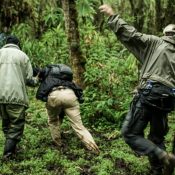
Trails can be slippery and physically demanding.
-
Rain showers can occur unexpectedly, making waterproof gear essential.
-
Some road sections, especially in remote Uganda or DRC, may become muddy and harder to access.
Tip: If you’re a photographer, the mist and rainfall add dramatic lighting and a mystical feel — ideal for capturing gorillas in their most natural environment.
Gorilla Trekking by Country
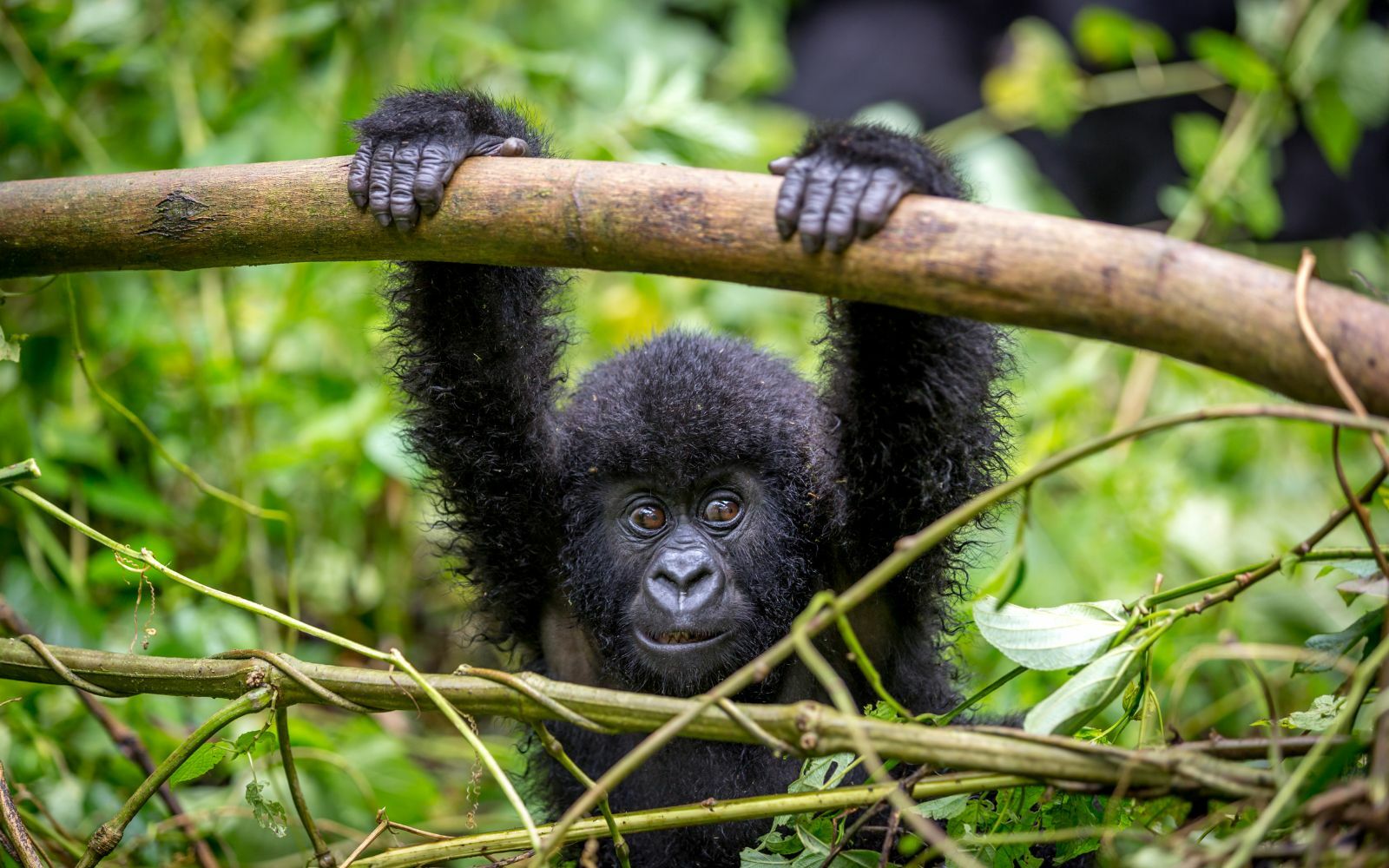 Each country offers a unique gorilla trekking experience, shaped by climate, terrain, and accessibility.
Uganda
Best Parks: Bwindi Impenetrable National Park & Mgahinga Gorilla National Park
Uganda’s parks can be visited year-round, but the dry seasons (June–September & December–February) provide the best trekking conditions.
Why Choose Uganda
-
Diverse Trekking Terrain:
Bwindi offers four different trekking regions — Buhoma, Ruhija, Rushaga, and Nkuringo — each with distinct forest ecosystems and difficulty levels. -
More Gorilla Families:
Uganda has 19 habituated gorilla families, giving visitors more options and higher permit availability. -
Excellent Add-On Safaris:
Uganda lets you combine gorilla trekking with chimpanzee tracking in Kibale, boat safaris in Murchison Falls, or Big Five game drives in Queen Elizabeth National Park. -
Weather Note:
Ruhija is at a higher altitude (cooler and wetter), while Buhoma and Rushaga are generally warmer and easier to trek.
Rwanda
Best Park: Volcanoes National Park
Rwanda’s gorilla trekking season closely mirrors Uganda’s, with June–September and December–February as the best months.
Why Choose Rwanda
-
Accessibility:
Volcanoes National Park is just a 2.5-hour drive from Kigali — perfect for short or luxury gorilla trekking tours. -
Mild Climate:
Cooler temperatures and well-maintained trails make trekking less strenuous. -
Excellent Tourism Infrastructure:
Rwanda offers some of Africa’s best eco-luxury lodges, seamless logistics, and strong conservation ethics. -
Add-On Experiences:
Combine trekking with the Kigali Genocide Memorial, cultural village visits, or a Big Five safari in Akagera National Park.
Democratic Republic of Congo (DRC)
Best Park: Virunga National Park
The DRC offers a wilder, more remote experience and some of the lowest permit prices.
Why Choose DRC
-
Fewer Crowds:
Virunga receives fewer visitors, offering an exclusive and raw adventure. -
Affordability:
Gorilla trekking permits here are significantly cheaper (USD 400–500). -
Variety of Activities:
Combine trekking with hikes up Mount Nyiragongo, Africa’s most active volcano, or cultural tours around Goma. -
Best Months:
June–September offers the most stable weather, though treks are possible year-round.
Note: Always check travel advisories and security updates before visiting the DRC.
Photography and Experience Differences by Season
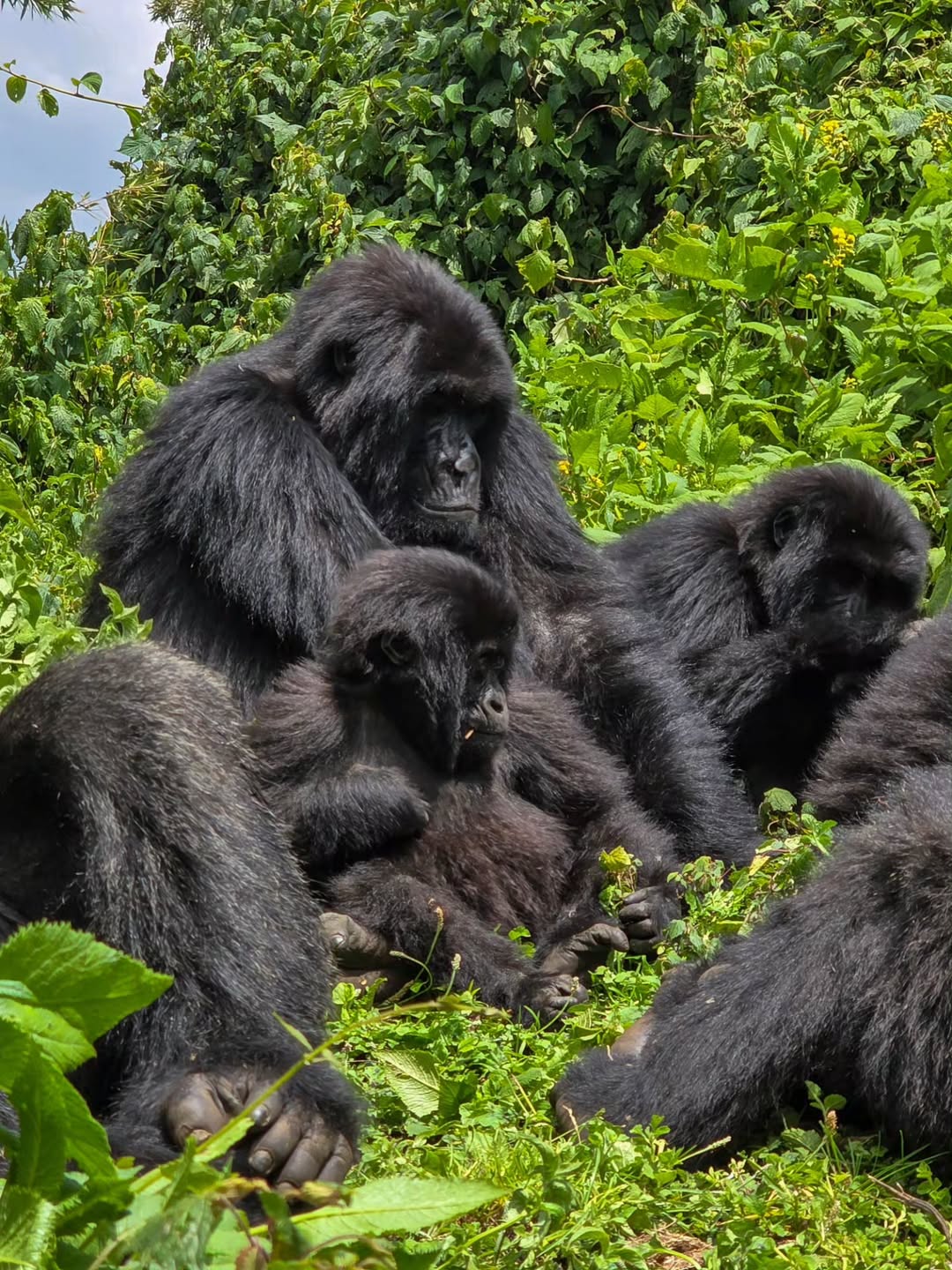 When planning your gorilla trekking adventure, understanding the differences between the dry and wet seasons can help you prepare for a comfortable and rewarding experience.
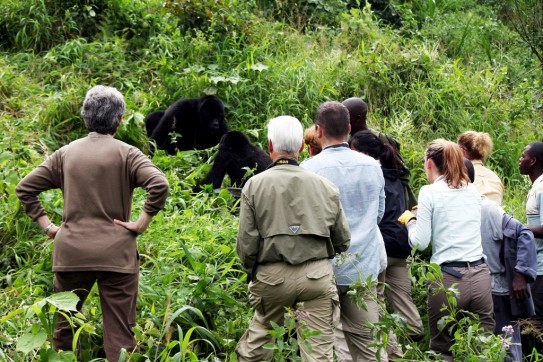
Gorilla trekking is highly regulated to ensure sustainability. Only 8 trekkers per gorilla family per day are allowed, and permits often sell out months ahead.
The best time to go gorilla trekking depends on your interests, fitness level, and budget:
-
For comfort and great weather: Visit in the dry seasons (June–September, December–February).
-
For atmosphere and value: Choose the green seasons (March–May, October–November).
Whatever the season, gorilla trekking is extraordinary. The moment you make eye contact with a silverback in the misty forest, surrounded by the calls of birds and the scent of rain-soaked leaves, you’ll understand why this is one of the world’s greatest wildlife encounters.