Is Gorilla Trekking Worth It?
A Deep Dive Into Africa’s Most Transformative Wildlife Experience
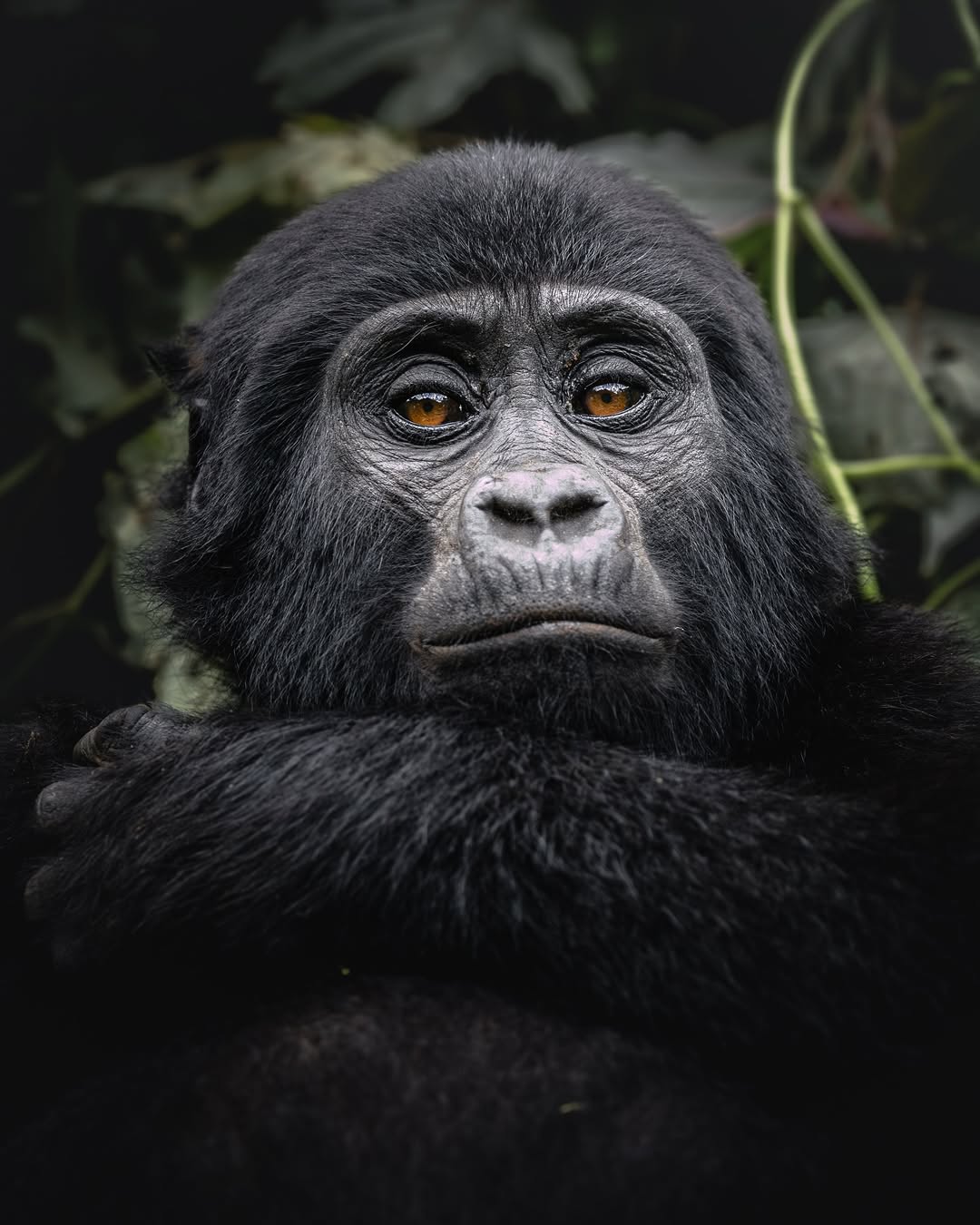 Gorilla trekking is often described as one of the most profound and emotional wildlife encounters on the planet. Imagine hiking through mist-shrouded rainforests, hearing the distant rustle of leaves, and suddenly finding yourself face-to-face with a 400-pound silverback gorilla — a creature so powerful yet so gentle it takes your breath away.
As his family lounges and plays nearby, you stand in silent awe, separated by only a few meters and an invisible bond that connects you to nature in its purest form. This is gorilla trekking — raw, humbling, and unforgettable.
But with its high cost, challenging hikes, and remote locations, many travelers wonder: Is gorilla trekking really worth it? For anyone who’s experienced it, the answer is a resounding yes — and here’s why.
1. A Once-in-a-Lifetime Wildlife Encounter
Mountain gorillas are found only in the wild — in the misty mountains of Uganda, Rwanda, and the Democratic Republic of Congo (DRC). These endangered primates cannot survive in captivity, meaning gorilla trekking offers one of the last authentic wildlife experiences on Earth.
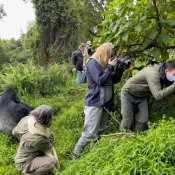
Every trek begins early in the morning with a safety briefing before you set off into the rainforest, guided by expert rangers and trackers who monitor the gorillas daily. The hike itself is filled with anticipation — the air is cool and damp, the forest alive with bird calls and distant monkey chatter.
Then, your guide gives a quiet signal. The moment you glimpse your first gorilla family — perhaps a silverback watching over his group, mothers cradling their infants, or juveniles tumbling playfully — time seems to freeze. Visitors are allowed one precious hour to observe and photograph them in silence.
Many trekkers describe the experience as spiritual, an emotional bridge between humans and wildlife. Standing just meters away from an animal that shares 98% of our DNA is an indescribable reminder of our shared origins and the fragility of life.
2. Understanding the Cost — and Why It’s Worth Every Dollar
There’s no denying that gorilla trekking is one of the more expensive wildlife adventures in Africa:
-
Uganda: $800 per permit
-
Rwanda: $1,500 per permit
-
DRC: Around $400 per permit
However, every cent of that cost serves a greater purpose. Gorilla trekking follows one of the most successful models of conservation-based tourism in the world.
A significant portion of your permit fee — around 20% in Uganda and Rwanda — goes directly to surrounding communities, funding schools, hospitals, clean water projects, and infrastructure. The remainder supports ranger salaries, anti-poaching patrols, and gorilla health monitoring.
This approach has transformed lives and ecosystems. Once critically endangered, the mountain gorilla population has more than tripled since the 1980s, now numbering over 1,000 individuals. When you buy a permit, you’re not only gaining access to a life-changing experience — you’re actively contributing to the species’ survival and uplifting entire communities.
So yes, the price is high — but the return is priceless.
3. The Trek Itself — Challenging but Rewarding
No two gorilla treks are ever the same. The experience can last anywhere from 30 minutes to 6 hours, depending on the gorillas’ location that day.
The terrain varies from region to region — in Uganda’s Bwindi Impenetrable Forest, expect steep trails, thick vegetation, and high humidity; in Rwanda’s Volcanoes National Park, you’ll find gentler slopes and more open bamboo forests; in DRC’s Virunga National Park, the treks are wild and rugged, offering a raw adventure for thrill-seekers.
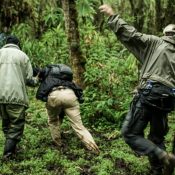
As you hike, guides use clues like footprints, nests, or droppings to trace the gorillas’ path. You’ll pass through dense jungle, streams, and tangled vines — but every challenge adds to the sense of discovery.
By the time you finally meet the gorilla family, any exhaustion melts away. Their calmness, curiosity, and human-like behavior captivate you instantly. Watching a silverback tear bamboo shoots or seeing a mother gently hold her baby brings an overwhelming sense of connection and peace.
If you prefer a less strenuous trek, Rwanda offers shorter and more predictable hikes, making it ideal for travelers who want comfort without missing the magic.
4. Perfect for Photography and Storytelling
For photographers, gorilla trekking is a dream come true. The misty forests, rich greens, and expressive gorilla faces make every frame a masterpiece. Whether you’re a professional wildlife photographer or a casual traveler, you’ll capture images that tell stories of strength, tenderness, and survival.
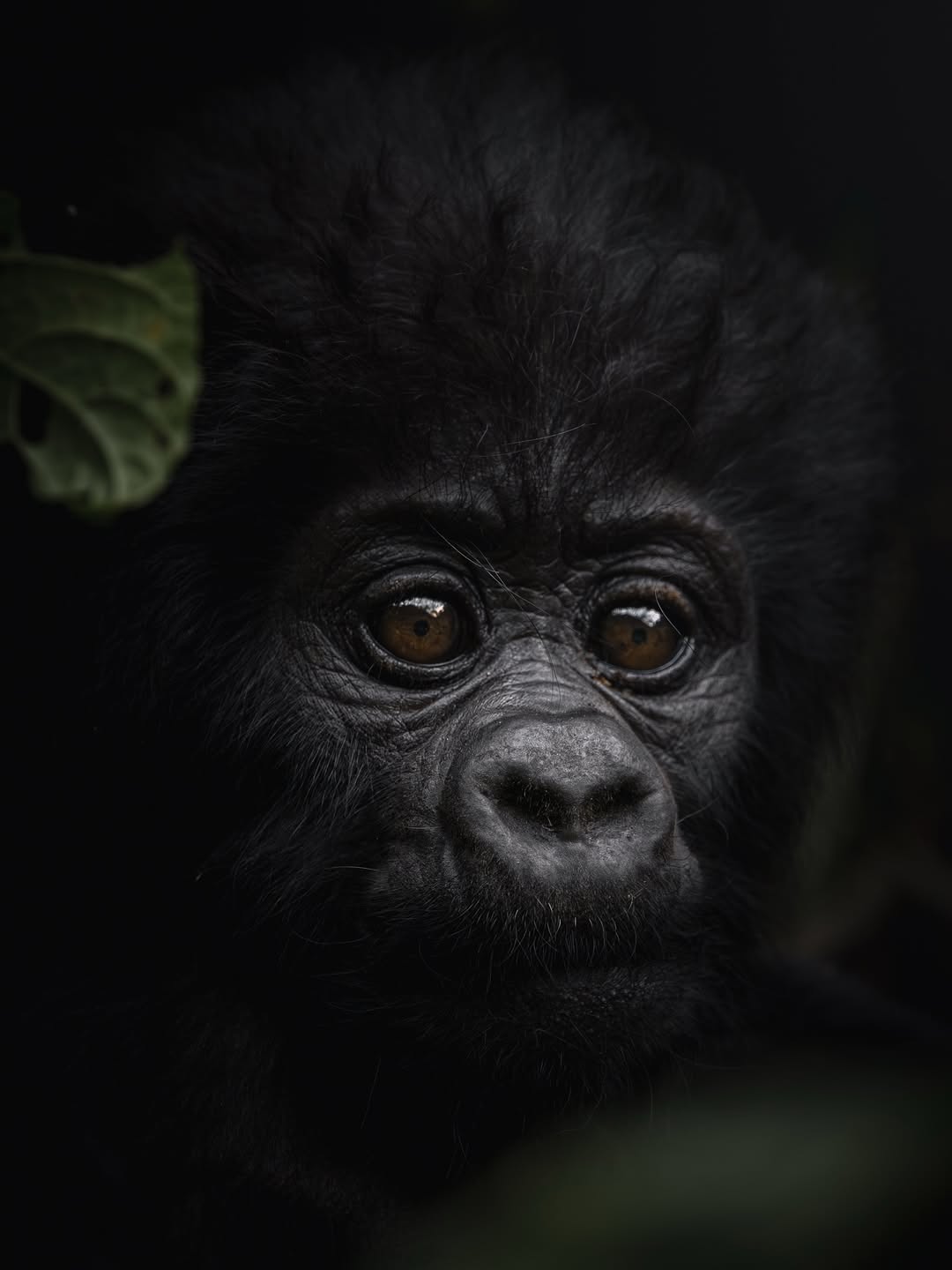
The golden light filtering through the canopy, the glint in a gorilla’s eyes, or the subtle gestures of interaction — each shot becomes a timeless memory.
A few photography tips:
-
Bring a camera with good low-light capability (no flash allowed).
-
Carry extra batteries and memory cards — it’s easy to lose track of time when shooting.
-
Keep movements slow and quiet; respect the gorillas’ space.
Every photo you take tells a bigger story — one that inspires others to care about conservation and the incredible biodiversity of Africa’s rainforests.
5. A Powerful Contribution to Conservation and Communities
What sets gorilla trekking apart from most wildlife experiences is its deep conservation impact. The tourism model in Uganda, Rwanda, and DRC is a global success story, proving that when communities benefit from wildlife, they become its strongest protectors.
Former poachers are now park rangers and trackers, protecting the very species they once hunted. Women’s cooperatives and local artisans thrive by producing crafts and running eco-lodges. Young people are gaining education and employment through conservation programs funded by trekking revenue.
In many regions, gorilla tourism is the economic backbone — it creates jobs, supports families, and promotes sustainable development. Each trek you take sends a powerful message: wildlife is worth more alive than gone.
Your visit helps maintain that delicate balance between nature and people.
6. The Emotional and Transformative Impact
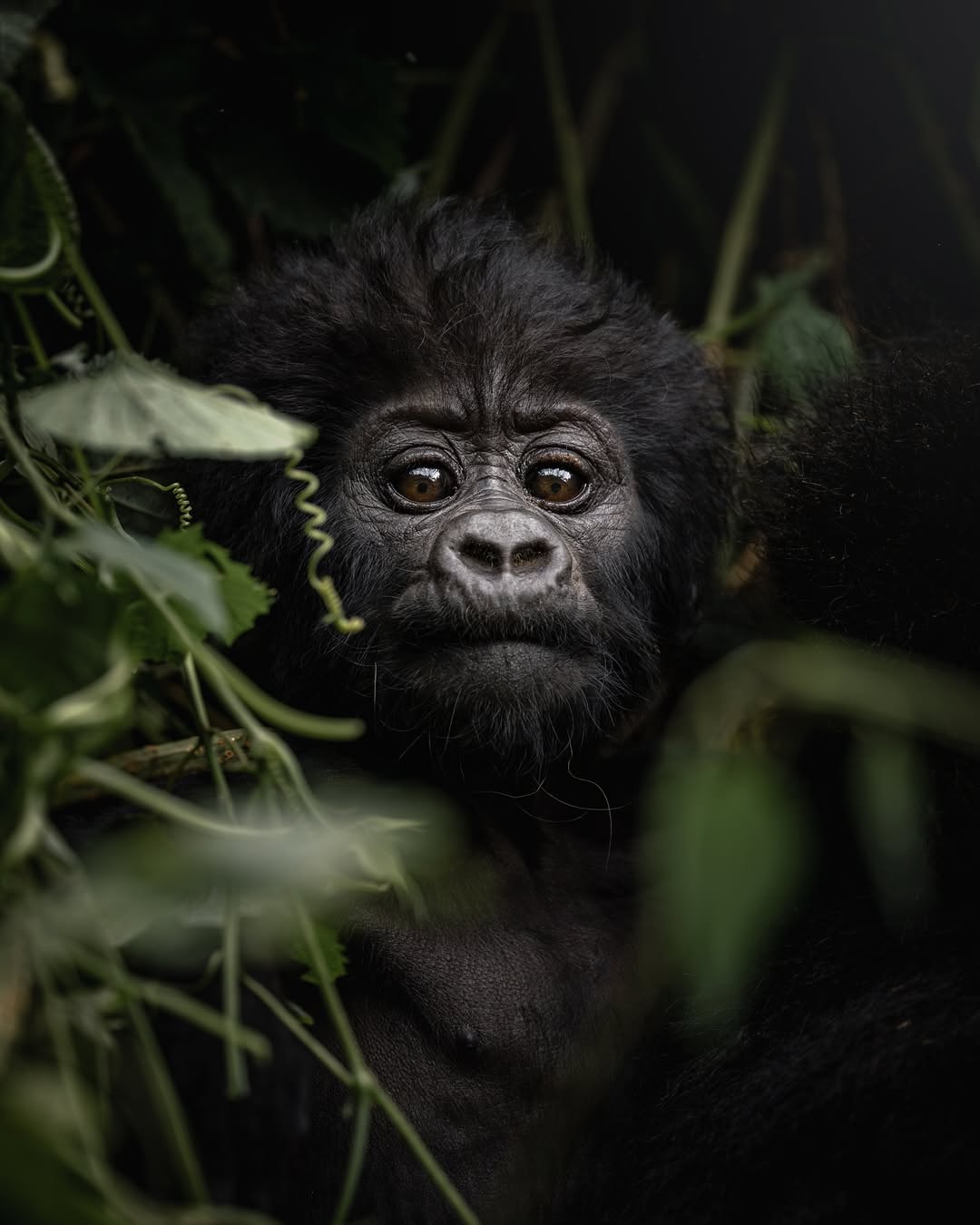 While the thrill of seeing gorillas is unforgettable, the emotional transformation is what makes the experience truly life-changing.
Many travelers describe a sense of calm and humility in the presence of gorillas. Watching a silverback’s gentle authority or a baby’s playful antics can stir deep reflection about our place in the natural world. It’s not just about adventure — it’s about connection, empathy, and gratitude.
Gorilla trekking has the power to reset your perspective. You leave the forest different from when you entered — quieter, more grounded, and with a newfound respect for life in all its forms.
7. When to Go
Gorilla trekking can be done year-round, but the best time depends on your preferences:
-
Dry Seasons (June–September, December–February):
Easier hiking conditions, clearer visibility, and great photography opportunities. These are the most popular months, so book permits early. -
Wet Seasons (March–May, October–November):
The rainforest is lush, vibrant, and less crowded. Though trails can be muddy and slippery, this is the best time for birdwatchers and photographers seeking dramatic misty shots.
No matter when you go, gorilla trekking offers an unforgettable encounter in one of the most pristine ecosystems on Earth.
Final Verdict: 100% Worth It
Yes — gorilla trekking is absolutely worth it. It’s more than just a wildlife activity; it’s an immersive, emotional journey into the heart of Africa’s rainforests and a direct contribution to conservation.
Few experiences on Earth compare to standing silently before a gorilla family — feeling their presence, hearing their breathing, and realizing how deeply connected we are to them.
Whether you choose Uganda’s raw wilderness, Rwanda’s refined trails, or DRC’s untamed Virunga, gorilla trekking offers a story you’ll carry for life — a story of nature, resilience, and hope.
Frequently Asked Questions About Gorilla Trekking
1. Is gorilla trekking safe?
Yes, gorilla trekking is very safe when conducted through official national parks and licensed operators. Treks are guided by experienced rangers and trackers who monitor gorilla families daily and ensure both visitor and wildlife safety. The gorillas you encounter are habituated, meaning they are used to human presence but remain wild.
2. How physically demanding is gorilla trekking?
Trekking can range from 30 minutes to 6 hours, depending on where the gorilla family is that day. Trails may be steep, muddy, or slippery, particularly in Bwindi Forest or Virunga National Park. Moderate fitness is recommended, but treks are adapted to suit different abilities. Porters are available to help carry bags and provide extra support.
3. When is the best time to go gorilla trekking?
The dry seasons are preferred:
-
June to September
-
December to February
During these months, trails are easier and photography conditions are ideal. The wet seasons (March–May, October–November) offer lush scenery, fewer tourists, and lower accommodation costs, but trails can be slippery and more challenging.
4. Why are gorilla trekking permits so expensive?
Permit fees fund conservation and community development. In Uganda and Rwanda, around 20% of revenue supports local schools, healthcare, and infrastructure, while the rest funds ranger patrols, habitat protection, and gorilla monitoring. High costs also limit visitor numbers, reducing stress on the gorillas and preserving their natural environment.
5. What should I bring for a gorilla trek?
Essential items include:
-
Waterproof hiking boots with ankle support
-
Long-sleeved shirt and trousers for protection against insects and thorns
-
Rain jacket or poncho for sudden showers
-
Garden gloves for gripping vines
-
Refillable water bottle and snacks
-
Camera (no flash)
-
Walking stick (provided by park or porter)
Hiring a porter is recommended for both support and community benefit.
6. Can I take photos of gorillas?
Yes — but no flash photography is allowed to avoid disturbing the gorillas. Use natural light and bring a camera capable of low-light photography. Many visitors capture once-in-a-lifetime shots of playful juveniles, mothers with infants, or the majestic silverback.
7. Can children go gorilla trekking?
Most parks have a minimum age limit of 15 years for trekking. This ensures the safety of both the child and the gorillas, as younger children may move unpredictably or carry illnesses.
8. Where can I go gorilla trekking?
Mountain gorillas are found only in Uganda, Rwanda, and the DRC:
-
Uganda: Bwindi Impenetrable and Mgahinga National Parks
-
Rwanda: Volcanoes National Park
-
DRC: Virunga National Park
Each destination offers a unique experience — from challenging jungle hikes to accessible, luxury trekking.
9.Does gorilla trekking help conservation?
Absolutely. Every trek supports anti-poaching efforts, habitat protection, and local community development. Tourism revenue has helped mountain gorilla populations recover from fewer than 300 in the 1980s to over 1,000 today.
10. Is gorilla trekking worth it?
Yes. Beyond the physical adventure and the stunning wildlife encounters, gorilla trekking offers a deep emotional and transformative experience. Standing near these gentle giants fosters a profound connection with nature and a renewed appreciation for conservation.