
What is Gorilla Trekking? A Complete Guide to This Once-in-a-Lifetime Experience
Gorilla trekking is one of the most extraordinary wildlife encounters on Earth — an adventure that takes you deep into the heart of Africa’s mist-covered jungles in search of the endangered mountain gorilla. It’s not just a hike; it’s a journey through lush rainforests, steep slopes, and tangled vines where every step builds anticipation. Then, suddenly, you lock eyes with a massive silverback or watch a playful infant tumble through the undergrowth — and in that moment, the world stands still.
These great apes share over 98% of their DNA with humans, making the experience of seeing them in their natural habitat both deeply emotional and profoundly humbling. Their human-like expressions, social behavior, and gentle nature remind us of our shared connection with the natural world.
Gorilla trekking typically takes place in Uganda, Rwanda, or the Democratic Republic of Congo, where small groups of visitors are led by expert trackers and armed rangers through the dense tropical forests that these elusive giants call home. The treks can range from a short, one-hour hike to several hours of challenging terrain, depending on the location of the gorilla families that day.
But the reward is beyond measure — an unforgettable hour spent observing these magnificent creatures feeding, grooming, and interacting in the wild. This experience has often been described as spiritual, leaving many travelers speechless and teary-eyed.
Beyond the thrill and beauty of the adventure itself, gorilla trekking plays a vital role in conservation. Every permit purchased helps fund the protection of gorillas and their fragile habitats, while also supporting the local communities who live alongside these forests. In fact, gorilla tourism has transformed remote regions like Bwindi in Uganda and Volcanoes National Park in Rwanda into thriving centers of conservation and sustainable development.
Whether you’re a passionate wildlife lover, an adventure seeker, or a traveler yearning for something truly meaningful, gorilla trekking offers a once-in-a-lifetime opportunity to connect with nature in its purest form.
In this complete guide, you’ll learn everything you need to know about gorilla trekking — from understanding what it is and the best destinations to visit, to essential packing tips, permit costs, ethical considerations, and what to expect before, during, and after your trek.
Get ready to step off the beaten path and into the mystical world of the mountain gorillas — where mist clings to the forest canopy, ancient volcanoes rise above emerald valleys, and the line between human and wild seems to disappear.
What Exactly is Gorilla Trekking?
Gorilla trekking is a guided expedition through dense, tropical rainforests in search of one of the world’s rarest and most fascinating primates — the mountain gorilla. These treks take place in remote, protected national parks across East and Central Africa, where visitors hike deep into the jungle to observe a habituated family of gorillas in their natural environment.
“Habituated” means the gorilla group has undergone a long process — often taking two to three years — of gradual exposure to humans under the supervision of expert researchers and rangers. This ensures that while the gorillas are comfortable with human presence, they still live freely and naturally in the forest.
Each trek is led by highly trained park rangers and local trackers who spend their days monitoring gorilla movements, studying their behaviour, and ensuring both visitor safety and the well-being of the animals. The trackers set out early each morning to locate the gorilla families and radio their positions to the trekking groups.
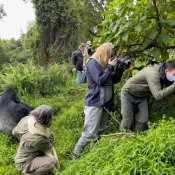
Once your group finds a gorilla family, you’ll spend a magical hour quietly observing them — a moment that feels both intimate and surreal. You might see a mother cradling her baby, juveniles tumbling playfully through vines, or a dominant silverback watching over the group with quiet authority.
The experience goes beyond simple wildlife viewing — it’s an emotional connection with nature and a glimpse into the social dynamics of these intelligent, gentle giants.
Your visit also plays a vital role in conservation. Gorilla trekking fees directly fund anti-poaching patrols, habitat protection, and community projects that support schools, healthcare, and sustainable tourism in surrounding villages. In many ways, gorilla trekking proves that responsible tourism can save species from extinction.
Where Can You Go Gorilla Trekking?
Mountain gorillas are critically endangered and found only in two main regions of the world:
-
The Virunga Massif, a chain of volcanic mountains shared by Uganda, Rwanda, and the Democratic Republic of Congo (DRC).
-
The Bwindi Impenetrable Forest in southwestern Uganda.
Each destination offers a unique trekking experience, from rugged volcano slopes to ancient rainforests filled with life.
1. Uganda: The Pearl of Africa
 Uganda is considered the best destination for gorilla trekking — home to more than half of the world’s remaining 1,000+ mountain gorillas. Trekking here is both adventurous and rewarding, offering a deep connection with nature and opportunities for longer stays combining gorilla tracking with classic savanna safaris.
Bwindi Impenetrable National Park
Located in southwestern Uganda, Bwindi is a UNESCO World Heritage Site famous for its thick, ancient rainforest and incredible biodiversity. The terrain is rugged and hilly, with trails that wind through moss-covered trees, tangled vines, and misty valleys.
Bwindi has over 20 habituated gorilla families spread across four trekking sectors — Buhoma, Ruhija, Rushaga, and Nkuringo — giving visitors a wide range of trekking options. Each sector offers a slightly different experience, from easier hikes in Buhoma to more challenging routes in Nkuringo.
Beyond gorilla trekking, Bwindi offers nature walks, birdwatching (with over 350 species), and rich cultural experiences with the Batwa community, the forest’s original inhabitants.
Mgahinga Gorilla National Park
Part of the larger Virunga Conservation Area, Mgahinga lies on the border between Uganda, Rwanda, and DRC. It’s smaller than Bwindi but no less spectacular — dominated by three dramatic volcanoes and bamboo forests.
The park is home to the Nyakagezi Gorilla Family, known for being relaxed and easier to observe. Mgahinga also offers opportunities for golden monkey tracking, volcano hikes, and cultural tours with the Batwa people.
Gorilla Permits in Uganda: USD $800 per person (as of 2025).
Bonus: Uganda also offers a Gorilla Habituation Experience (USD $1,500) where visitors spend up to 4 hours with a semi-habituated gorilla family alongside researchers — perfect for photographers and wildlife enthusiasts seeking a deeper encounter.
2. Rwanda: The Land of a Thousand Hills
Rwanda’s Volcanoes National Park is the most famous and accessible gorilla trekking destination in the world. Located just a 2.5-hour drive from Kigali International Airport, it’s ideal for travelers who want a shorter, more comfortable journey without compromising on quality.
The park’s mist-shrouded forests are home to around 12 habituated gorilla families, each monitored daily by skilled trackers. The trekking routes are relatively well-maintained compared to Uganda’s rugged trails, making Rwanda a great option for those seeking luxury and convenience.
What makes Rwanda stand out is its strong commitment to conservation and high-end tourism. Luxury lodges like Bisate Lodge, Sabyinyo Silverback Lodge, and One&Only Gorilla’s Nest provide world-class comfort, gourmet dining, and breathtaking views of the Virunga Volcanoes.
In addition to gorilla trekking, visitors can explore Dian Fossey’s Karisoke Research Center, visit Musanze Caves, or extend their trip to Akagera National Park for a Big Five safari.
Gorilla Permits in Rwanda: USD $1,500 per person — the highest in the region, reflecting the country’s focus on exclusivity and conservation funding.
3. Democratic Republic of Congo (DRC): The Wild Frontier
For true adventurers seeking an off-the-beaten-path experience, Virunga National Park in eastern DRC offers a raw and unforgettable version of gorilla trekking.
Virunga is Africa’s oldest national park and one of its most biologically diverse, with a mix of lava plains, montane forests, and active volcanoes such as Mount Nyiragongo. Gorilla trekking here is more rugged and less touristy than in Uganda or Rwanda, which adds to its allure for those who crave authentic wilderness.
The park is home to several habituated gorilla families, and treks are often shorter due to the gorillas’ relatively lower altitudes. Travelers can combine gorilla trekking with a hike to Nyiragongo’s lava lake, one of the most dramatic volcanic experiences on Earth.
However, due to occasional instability in eastern DRC, visitors should always check current safety conditions and travel with reputable tour operators authorized by the park.
Gorilla Permits in DRC: Approximately USD $400 per person, making it the most affordable option for gorilla trekking — though logistics can be more challenging.
Which Country Should You Choose?
-
Choose Uganda if you want variety, affordable permits, and a mix of gorillas and classic safaris.
-
Choose Rwanda if you prefer luxury, shorter travel times, and a smoother trekking experience.
-
Choose DRC if you’re an adventurous traveler seeking raw, untamed wilderness and fewer crowds.
No matter where you go, the moment you meet a mountain gorilla face-to-face will stay with you forever — a life-changing encounter that connects you deeply to the wild heart of Africa.
How Long Does a Gorilla Trek Take?
The duration of a gorilla trek can vary greatly — typically lasting anywhere between 30 minutes and 6 hours, depending on how far the gorillas have moved from their previous night’s nesting spot. Each gorilla family’s territory is vast, and they roam freely in search of food such as bamboo shoots, fruits, and wild celery.
Trekkers start early in the morning, usually arriving at the park headquarters by 7:00 a.m. for registration and a detailed orientation. The rangers and trackers, who have already set out at dawn to locate the gorilla groups, radio in their positions to help guide each visitor group.
Once assigned to a specific gorilla family, trekkers set off on foot through the forest in groups of no more than eight people — a policy designed to minimize human impact and ensure a quiet, respectful experience.
The hike itself is part of the adventure. You’ll trek along muddy paths, climb over tangled roots, and push through thick vegetation, often on steep, humid terrain. The forest comes alive around you — with colorful butterflies, birdsong, and the occasional distant call of a colobus monkey.
Sometimes, the gorillas are found within an hour. On other days, you may hike for several hours before your guide signals that the family is near. But the moment you spot a powerful silverback or a curious youngster peering through the foliage, all fatigue disappears.
Standing there — surrounded by mist and jungle sounds, just meters away from these majestic creatures — is one of the most profoundly moving moments a traveler can experience. Every step, every bead of sweat, feels worth it.
What to Pack for Gorilla Trekking
Gorilla trekking takes you into wild, unpredictable terrain. Packing smartly ensures comfort, safety, and an enjoyable experience, no matter how long your trek lasts.
Here’s a detailed list of essentials — along with why each item matters:
-
Sturdy Hiking Boots: Choose waterproof boots with good traction and ankle support. The trails can be muddy and slippery, especially after rainfall. A reliable pair will keep you steady on steep paths.
-
Long-Sleeved Shirt & Long Trousers: These protect your arms and legs from thorny plants, stinging nettles, and insect bites. Lightweight, breathable fabrics are ideal for the humid forest climate.
-
Rain Jacket or Poncho: The rainforest lives up to its name — showers can happen anytime, even in the dry season. A light, packable rain jacket keeps you dry and comfortable.
-
Garden Gloves: Often overlooked but incredibly useful! Gloves protect your hands as you grip vines, branches, or mossy surfaces while climbing through the dense undergrowth.
-
Reusable Water Bottle or Hydration Pack: Staying hydrated is crucial, especially on longer treks. A reusable bottle also supports eco-friendly travel by reducing plastic waste.
-
Snacks or Energy Bars: Bring light snacks such as nuts, fruit, or energy bars to keep your energy up during long hikes. Eating is not allowed near the gorillas, but breaks along the trail are fine.
-
Camera (No Flash): A good camera or smartphone will help you capture incredible memories. Remember, flash photography is strictly prohibited as it can startle the gorillas.
-
Walking Stick: Provided by the park or local porters, a walking stick helps with balance on steep or muddy terrain. Many trekkers find it indispensable.
-
Hat, Sunglasses & Sunscreen: Even though you’ll spend most of the trek under the canopy, these are useful for open areas or during transfer times.
Tip: Hire a local porter. They’ll carry your backpack, help you navigate tricky sections, and provide support if the trail becomes difficult. Beyond convenience, hiring a porter is a meaningful way to support local livelihoods, as many are former poachers now earning income through conservation.
The Gorilla Trekking Experience: What to Expect
 Gorilla trekking follows a structured yet thrilling routine designed for both visitor safety and gorilla protection. Here’s what your day will typically look like:
1. Morning Briefing at the Park Headquarters
Your day begins bright and early. By 7:00 a.m., you’ll gather at the park headquarters — whether in Bwindi, Volcanoes, or Virunga — for registration and a detailed safety and etiquette briefing.
Rangers explain what to expect, demonstrate how to behave around the gorillas, and share interesting facts about their behavior, diet, and family structures. You’ll also receive instructions on hygiene protocols (for example, wearing masks to prevent disease transmission).
Visitors are then divided into small groups of up to eight people per gorilla family, based on fitness level and location. Those who prefer an easier trek can request a nearby group, while the more adventurous may opt for a distant family that requires a longer hike.
2. The Hike Through the Forest
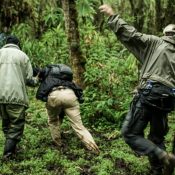
Accompanied by armed rangers (for your safety against wildlife, not gorillas) and experienced trackers, your group sets out into the forest. The first part of the journey often follows established paths, but as you get closer to the gorillas, you’ll go off-trail, following fresh signs like broken branches, droppings, and recent nests.
The air grows cooler and damper as you move deeper under the canopy. You’ll hear the rustle of leaves, chirps of tropical birds, and the buzz of forest insects. Occasionally, your guide will pause to explain details about plants or other wildlife you encounter — from tree ferns to colorful turacos.
The anticipation builds as trackers communicate via radio, guiding your ranger to the exact location of the gorilla family. Then, suddenly, the guide halts and whispers, “They’re here.”
3. The Magical Hour – The Gorilla Encounter
When you finally meet the gorilla family, it feels surreal. You’ll be asked to leave your bags and walking sticks a short distance away, to minimize disturbance. Then, for one unforgettable hour, you’ll watch them go about their lives — completely at ease in your presence.
Perhaps a young gorilla will playfully swing from a vine or beat its chest in mock bravado. Mothers gently groom their babies, while the powerful silverback occasionally glances your way, calm but watchful. The sounds — soft grunts, rustling leaves, rhythmic chewing — create an atmosphere of pure tranquility.
You’ll be close enough to see their eyes, their breath in the cool air, even their fingerprints on leaves. It’s a deeply emotional experience — many visitors describe it as life-changing.
Your guides ensure everyone maintains the 10-meter distance rule, moves slowly, and keeps voices low. This respect is key to maintaining the gorillas’ comfort and safety.
4. The Return to Base
After your hour is up, your guide will quietly signal that it’s time to leave. The return hike may be shorter, depending on where the gorillas were found. Back at the park headquarters, you’ll receive your official Gorilla Trekking Certificate — a meaningful keepsake symbolizing your contribution to conservation.
Most lodges provide a warm welcome with drinks or lunch, where you can relax, reflect, and share stories with fellow trekkers. The sense of achievement, connection, and humility you carry after a gorilla trek is unlike anything else in travel.
Conservation and Community Impact
Gorilla trekking is not only a life-changing experience for travelers — it’s also one of the greatest conservation success stories in Africa. Every gorilla permit purchased directly supports the protection of mountain gorillas and the communities who share their forest home.
In both Uganda and Rwanda, a significant portion of each gorilla permit — 20% of the revenue — is channeled back into surrounding communities. This funding helps build schools, health clinics, clean water systems, and local roads, improving the quality of life for residents who once depended on the forest for survival.
This community involvement is crucial. Decades ago, local populations viewed gorillas as threats to crops or sources of bushmeat. Today, thanks to education and tourism benefits, they see the gorillas as valuable neighbors whose protection brings shared prosperity. Former poachers have become rangers, porters, and guides, contributing their deep forest knowledge to conservation.
At the same time, conservation organizations and park authorities work tirelessly to safeguard gorilla habitats from poaching, deforestation, and disease. The International Gorilla Conservation Programme (IGCP) and various NGOs collaborate with governments to fund anti-poaching patrols, veterinary care, and forest restoration.
These combined efforts have paid off. In the 1980s, mountain gorillas were on the brink of extinction, with fewer than 300 individuals left in the wild. Today, their numbers have more than tripled — surpassing 1,000 and steadily growing. This remarkable recovery is a testament to the power of sustainable tourism and global cooperation.
When you buy a gorilla trekking permit, you’re not just purchasing an adventure — you’re helping secure the future of one of the planet’s most magnificent species and empowering the people who protect them.
Gorilla Trekking Rules & Etiquette
 Mountain gorillas are highly intelligent, sensitive animals, and their well-being depends on how visitors behave during encounters. Park authorities have established strict rules to minimize stress and disease transmission, ensuring a safe and respectful experience for both gorillas and trekkers.
Here are the golden rules of gorilla trekking:
-
Maintain a 10-meter (32-foot) distance
Always keep a safe space between you and the gorillas. This reduces the risk of transmitting human illnesses and prevents them from feeling threatened. -
Avoid flash photography
Flashlights can startle gorillas, causing anxiety or defensive behavior. Natural light photography is recommended — it captures the forest’s authentic atmosphere beautifully. -
Move slowly and stay quiet
Speak softly, avoid sudden movements, and never point directly at a gorilla. Calm behavior reassures them that you are not a threat. -
No eating, drinking, or smoking near the gorillas
Food smells and discarded waste can attract curiosity or spread germs. Keep all snacks sealed until you’re far from the gorilla group. -
Do not touch the gorillas
Even if a young gorilla approaches, resist the temptation to reach out. Maintaining distance protects both you and the gorillas from potential infection. -
Never trek if you’re unwell
Gorillas are vulnerable to many human diseases — even a common cold. If you have flu, a cough, or any infection, it’s vital to stay behind to protect them. -
Follow your ranger’s instructions at all times
The rangers are experts who understand gorilla behavior. Their guidance ensures safety and a smooth encounter for everyone.
By respecting these guidelines, you become a guardian of conservation, helping maintain the fragile trust that allows humans and gorillas to coexist peacefully in the wild.
Best Time to Go Gorilla Trekking
Gorilla trekking is possible all year round, but the experience changes subtly with the seasons. Understanding the best times can help you plan your adventure according to your preferences for weather, photography, and trail conditions.
Dry Seasons (Best Time to Trek)
-
June to September
-
December to February
These months are considered the prime trekking seasons in both Uganda and Rwanda. The trails are generally drier, less slippery, and more comfortable for hiking. Visibility is also better — making it easier to photograph gorillas and enjoy panoramic forest views.
During these months, gorilla permits are in high demand, so it’s wise to book at least 6 months in advance. The dry seasons coincide with Uganda and Rwanda’s peak tourism periods, so expect lively lodges and well-maintained trails.
Wet Seasons (Low Season but Rewarding)
-
March to May
-
October to November
The wet or “green” seasons bring heavier rainfall and muddier trails — but they also offer unique advantages. The forests are lush and vibrant, birdlife is abundant, and gorillas tend to stay closer to the lower slopes, making treks shorter.
Travelers who don’t mind a bit of rain will also find discounted accommodation rates and greater permit availability during this period. Plus, the misty atmosphere adds a mystical charm to photographs.
Bottom Line:
If you prefer dry conditions and easier hikes, choose the dry seasons.
If you value solitude, savings, and lush landscapes, the wet seasons can be just as magical.
Why Gorilla Trekking Is Worth It
Gorilla trekking is more than an adventure — it’s an emotional awakening. There’s something profoundly moving about looking into the deep brown eyes of a wild mountain gorilla and realizing how similar they are to us — in their gestures, family bonds, and quiet intelligence.
This experience creates a bridge between humanity and the natural world, reminding us of our shared origins and our responsibility to protect it. Every rustle in the forest, every distant call, and every heartbeat in that misty silence feels sacred.
Beyond its emotional depth, gorilla trekking also brings tangible rewards:
-
It supports sustainable tourism and wildlife conservation.
-
It empowers local communities through jobs and education.
-
It offers an unmatched opportunity for wildlife photography and storytelling.
-
It reconnects travelers with the raw, untouched beauty of nature — far from modern distractions.
Many visitors describe gorilla trekking as transformative — not just a highlight of their African journey, but one of the most powerful experiences of their lives.
Ready to Plan Your Gorilla Trekking Adventure?
If you’ve ever dreamed of standing in the mist-shrouded jungles of Africa, surrounded by ancient trees and the calls of unseen wildlife, gorilla trekking should be at the top of your bucket list.
Whether you choose:
-
Uganda’s Bwindi Impenetrable Forest, with its rich biodiversity and diverse trekking routes,
-
Rwanda’s Volcanoes National Park, offering luxury, accessibility, and scenic volcano views, or
-
Congo’s Virunga National Park, a wilder and more adventurous frontier —
you’re guaranteed a journey that stays with you forever.
From the early morning briefing to that sacred hour spent with a gorilla family, every moment is steeped in wonder and reverence. It’s an adventure that transforms not just your travel memories, but your perspective on life itself.
So pack your boots, charge your camera, and prepare for one of the greatest wildlife experiences on Earth — a gorilla trekking safari that connects your heart to the wild soul of Africa.