How to Prepare for Gorilla Trekking
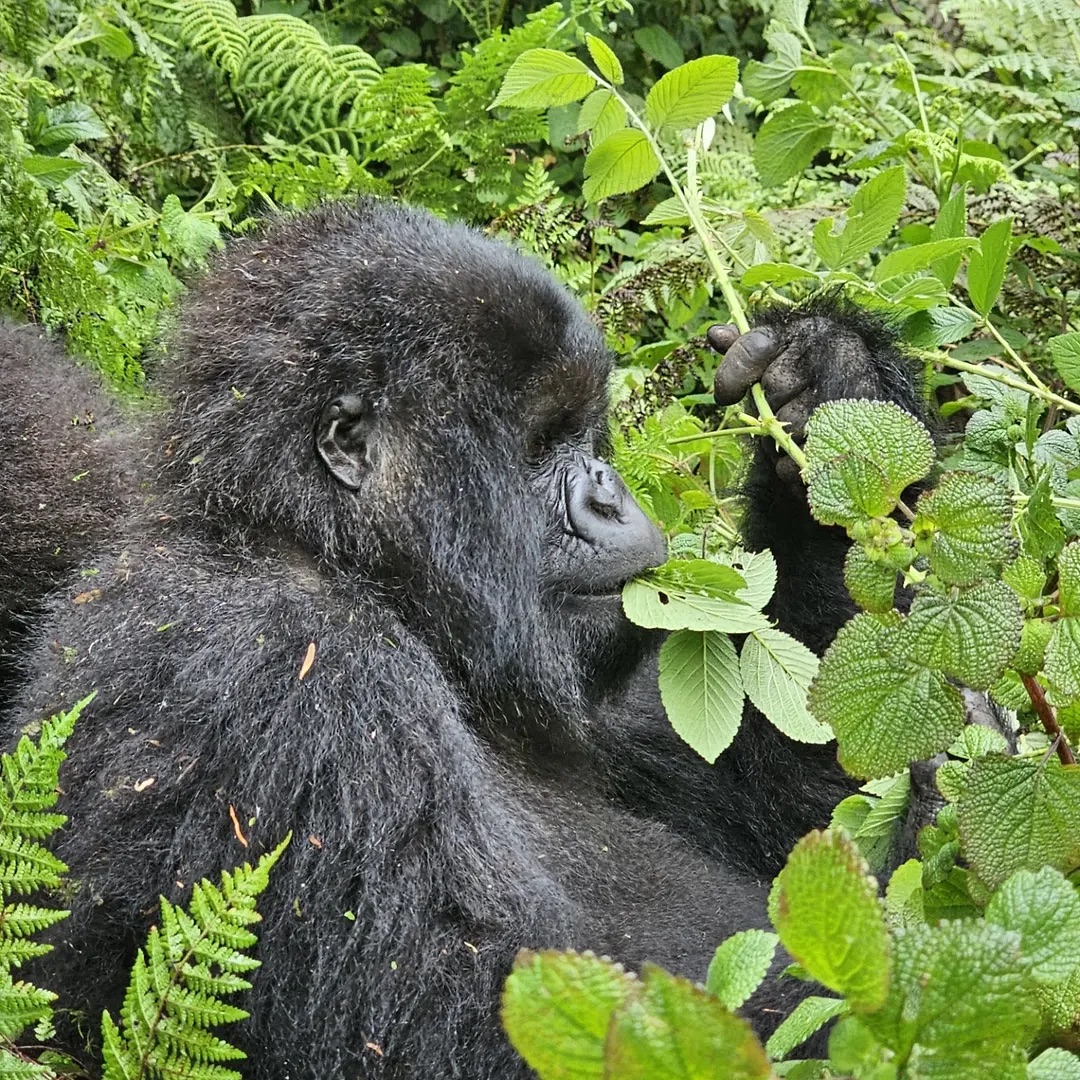
How to Prepare for Gorilla Trekking? Gorilla trekking is an extraordinary wildlife adventure, offering the rare opportunity to see endangered mountain gorillas in their natural habitat. However, the experience takes place in dense rainforests, high altitudes, and sometimes challenging terrain. Proper preparation ensures safety, comfort, and maximum enjoyment.
How to Prepare for Gorilla Trekking
1. Physical Preparation
Gorilla trekking is physically demanding. Even short hikes require stamina and agility due to steep slopes, muddy paths, and thick vegetation. Proper preparation allows you to enjoy the trek without exhaustion.
Key Tips:
-
Cardiovascular Training: Walking, jogging, or cycling regularly builds endurance for long treks. Aim for at least 30–60 minutes of cardio three times a week.
-
Strength Training: Focus on legs, core, and upper body to handle inclines, uneven terrain, and carrying a daypack. Exercises like squats, lunges, planks, and push-ups help.
-
Hiking Practice: Try local trails with similar terrain, uneven surfaces, and inclines. This helps your body adapt to long periods of walking and strengthens your balance.
-
Altitude Adjustment: Bwindi Impenetrable National Park ranges from 1,160 to 2,607 meters above sea level. Arrive a day early to acclimatize and reduce fatigue or altitude-related discomfort.
Pro Tip: Even if you are generally fit, consider hiring a porter to carry your backpack. This allows you to conserve energy for the actual trek and enjoy the wildlife more.
2. Understand the Trekking Rules
Mountain gorillas are critically endangered and highly sensitive to human disturbance. Following the rules protects both visitors and wildlife.
Key Rules:
-
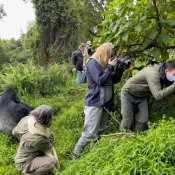
Maintain a Minimum Distance: Stay at least 7 meters (23 feet) away from gorillas to prevent disease transmission and avoid startling them.
-
No Flash Photography: Flash can harm gorilla eyesight and cause stress. Always use natural light or increase ISO on your camera.
-
Limit Trek Time: Each group allows one hour of observation. Rangers strictly monitor this.
-
No Sudden Movements or Loud Sounds: Keep your voice low and move slowly to avoid alarming the gorillas.
-
Follow Ranger Instructions: Rangers know gorilla behavior and terrain; always listen carefully.
Pro Tip: Take a briefing seriously—these rules exist to ensure your safety and the gorillas’ protection.
3. Choose the Right Trekking Season
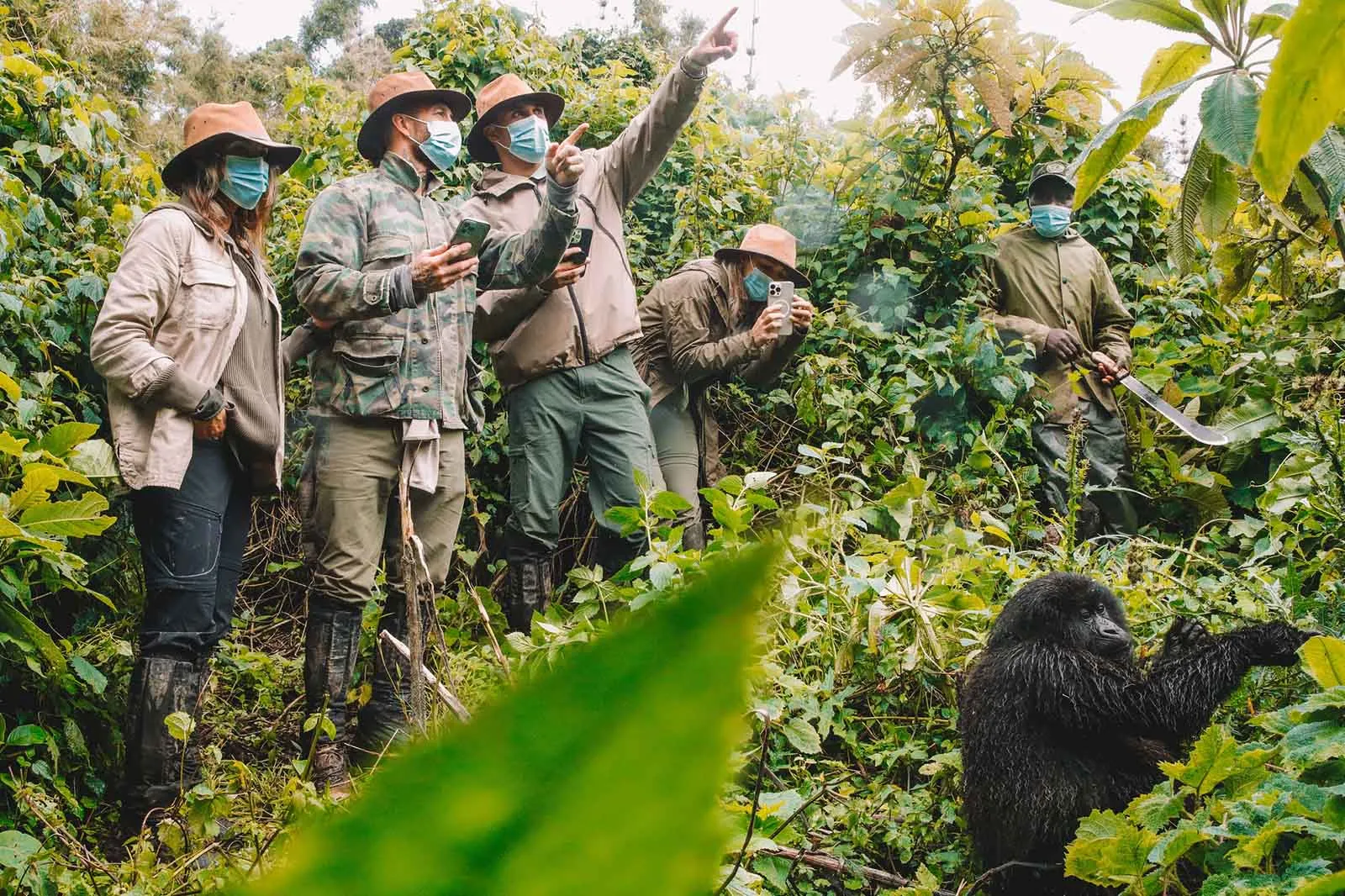 The season influences trail conditions, weather, and crowd levels.
Dry Season (June–September, December–February):
-
Trails are easier to navigate, less slippery, and more comfortable.
-
Higher chance of good visibility for photography.
-
More tourists—plan permits well in advance.
Rainy Season (March–May, October–November):
-
Forests are lush and scenic, offering vibrant photography opportunities.
-
Trails can be muddy, slippery, and challenging, requiring strong 4×4 vehicles and gaiters.
-
Fewer tourists, sometimes making the experience more private.
Pro Tip: Even in the rainy season, early morning treks are often drier. Check with your tour operator about recent trail conditions.
4. Select the Best Trekking Sector
Bwindi Impenetrable National Park and Mgahinga Gorilla National Park are divided into sectors. Choose based on:
-
Accessibility: Ruhija and Nkuringo are more remote; Buhoma and Rushaga are easier to reach.
-
Difficulty: Ruhija is steeper and more challenging; Nkuringo is moderately tough.
-
Gorilla Family Behavior: Some families are more habituated, making sightings easier for first-time trekkers.
Pro Tip: Work with your tour operator to match your physical ability to the trekking sector for a safe and enjoyable experience.
5. Book Your Gorilla Permit Early
Gorilla permits are limited and in high demand, especially during peak seasons.
-
Advance Booking: Secure your permit months in advance to avoid disappointment.
-
Passport Matching: The permit must match the details in your passport exactly.
-
East African Tourist Visa: If visiting Rwanda, Uganda, and Kenya, a multi-entry visa simplifies border crossings.
Pro Tip: Some tour operators handle permits as part of the package, which reduces stress and ensures correct documentation.
6. Pack Proper Gear
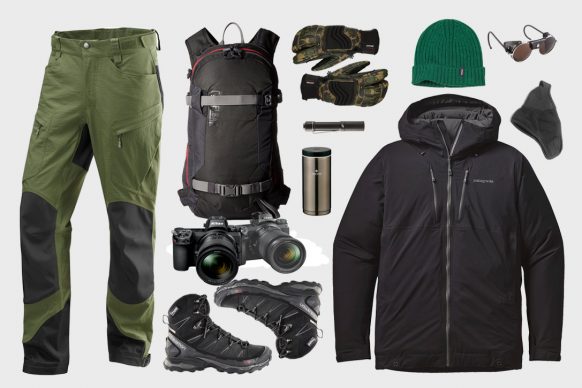
Some of the Gorilla Trekking Gears for Gorilla Trekking
Gorilla trekking requires specific clothing and equipment to stay comfortable and safe:
Clothing:
-
Long-sleeved shirts, trekking trousers, fleece layers, and waterproof jackets.
-
Neutral colors (green, brown, khaki) help blend into the forest.
Footwear:
-
Waterproof hiking boots with deep treads for slippery, muddy trails.
-
Moisture-wicking socks to prevent blisters.
Accessories:
-
Gloves for bramble protection
-
Gaiters for muddy trails
-
Walking stick or trekking pole
-
Small waterproof daypack for essentials
Photography:
-
Camera with a 70–200mm lens or a good smartphone
-
Extra batteries, memory cards, and waterproof camera bag
Health & Safety:
-
Insect repellent, sunscreen, lip balm
-
First aid kit, hand sanitizer
-
Personal medications
Food & Water:
-
At least 1–2 liters of water per person
-
Energy snacks like nuts, energy bars, or dried fruit
Optional: Binoculars, reusable water bottles, extra cash for tips or emergencies
7. Hire a Porter
Hiring a porter during your gorilla trek is highly recommended, even if you are physically fit. Porters are trained locals who provide critical support, making the trekking experience safer, more comfortable, and enjoyable.
Benefits of Hiring a Porter:
-
Carrying Gear: Porters carry your daypack, camera equipment, water bottles, snacks, and any extra layers. This allows you to move more freely and focus on observing the gorillas rather than struggling with heavy loads.
-
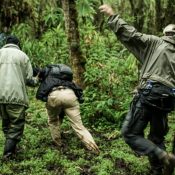
Trail Assistance: Bwindi and Mgahinga have steep, muddy, and uneven paths. Porters help navigate slippery slopes, climb inclines, and cross streams, reducing your risk of injury.
-
Energy Conservation: Carrying your own backpack over long distances in dense jungle can be exhausting. Having a porter allows you to conserve energy, making it easier to enjoy the full trekking experience.
-
Local Knowledge and Guidance: Porters know the trails, can offer tips on where to walk safely, and provide insight into the forest and wildlife.
-
Community Support: Hiring a porter contributes directly to the local economy. It empowers communities living near the national parks, helping families earn a fair income from conservation-friendly tourism.
Cost: Hiring a porter typically costs USD 15–20 per trek. This is a small investment that significantly improves comfort, safety, and the overall experience while supporting local livelihoods.
Pro Tip: Porters are usually available at park entrances. Confirm availability in advance, especially during peak trekking seasons, and tip generously if they provide excellent assistance.
8. Mental Preparation — Staying Calm, Patient, and Positive
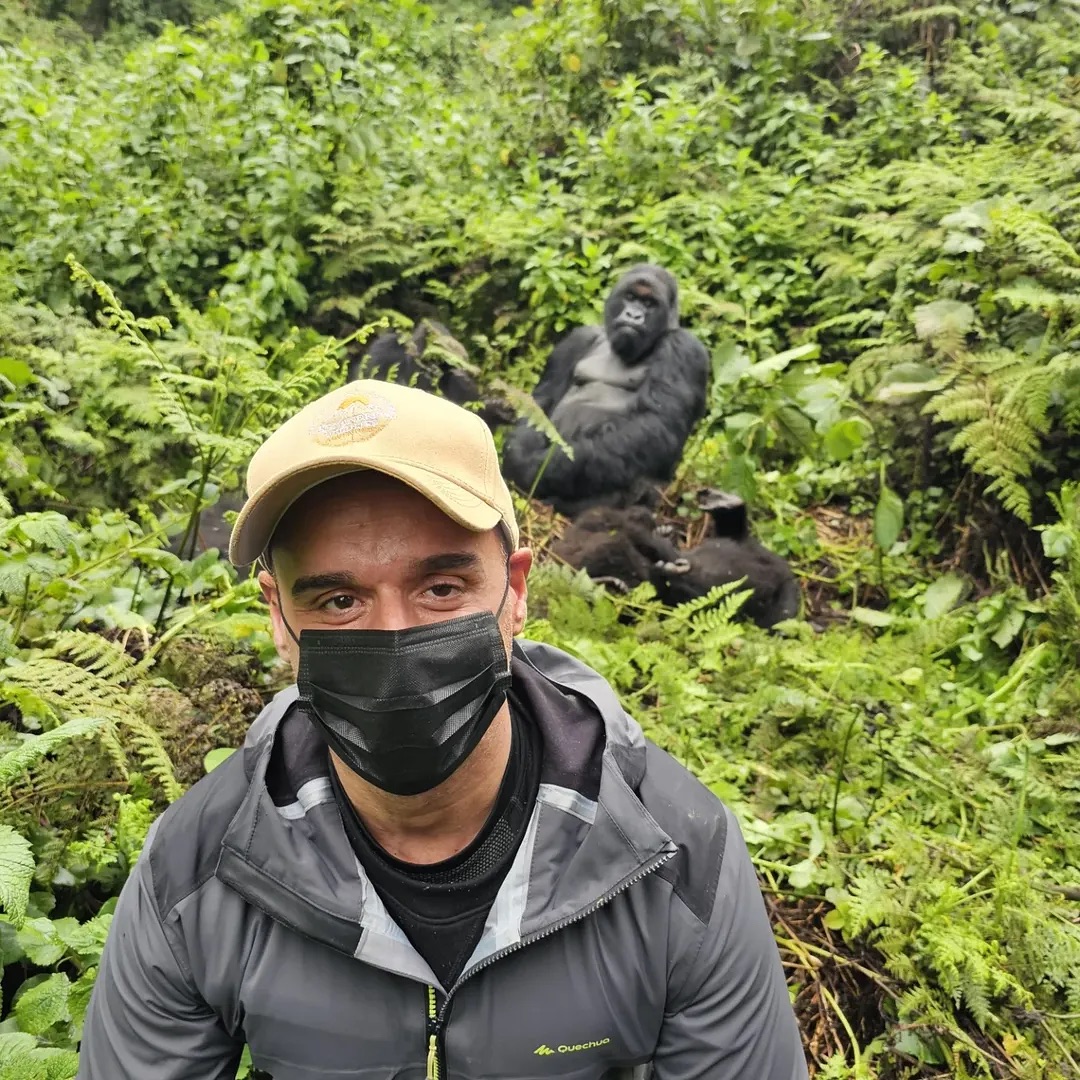 Gorilla trekking is not only physically demanding but also mentally challenging. The dense rainforest, steep trails, and unpredictable movements of gorilla families mean that being mentally prepared is just as important as physical preparation.
Key Points for Mental Preparation:
-
Expect Long Treks: Gorilla trekking can last anywhere from 2 to 7 hours, depending on the gorilla family’s location. Some treks require navigating steep inclines, muddy slopes, and thick vegetation. Preparing mentally for extended walking and physical exertion helps you stay calm and focused.
-
Prepare for Variable Weather: The rainforest climate is unpredictable. You may encounter sudden rain showers, high humidity, misty mornings, or cool mountain temperatures. Embracing the variability instead of getting frustrated ensures a more enjoyable experience.
-
Be Patient with Wildlife: Gorillas move freely through the forest, often hidden by thick foliage. There may be periods of waiting or slow progress before you finally spot them. Practicing patience and mindfulness allows you to fully appreciate the forest environment, birdlife, and other wildlife along the trail.
-
Embrace the Unexpected: Treks can change suddenly due to gorilla movement, trail conditions, or weather. Being flexible and adaptable ensures you can adjust without stress and still have a meaningful experience.
-
Positive Attitude: A cheerful and respectful mindset enhances your experience. Interact politely with guides, porters, and fellow trekkers. Respect the gorillas’ space and behavior—remember, this is a once-in-a-lifetime encounter that requires care and mindfulness.
-
Visualize the Experience: Mental rehearsal helps reduce anxiety. Imagine hiking through lush forests, hearing the sounds of nature, and finally seeing a gorilla family up close. This visualization can boost confidence and readiness.
Pro Tip: Bring a sense of adventure, curiosity, and humility. Enjoy the journey through the forest as much as the moment of encountering the gorillas. Remember, being mentally prepared allows you to stay safe, relaxed, and fully present for this incredible wildlife encounter.
9. Health Precautions — Staying Safe and Comfortable
Gorilla trekking takes place in remote rainforest regions, often with challenging terrain, high humidity, and potential exposure to insects and diseases. Prioritizing your health is essential for a safe and enjoyable experience.
Key Health Considerations:
-
Yellow Fever Vaccination:
All travelers entering Uganda or Rwanda are required to present a valid Yellow Fever vaccination certificate at the border. This vaccination protects you from the potentially deadly virus, which is prevalent in tropical areas. Make sure to get the vaccine at least 10 days before travel. -
Malaria Prevention:
Both Uganda and Rwanda are malaria-risk areas. Taking malaria prophylaxis as prescribed by your doctor is highly recommended. Additionally, using insect repellent, wearing long sleeves and trousers, and sleeping under mosquito nets at lodges further reduces your risk. -
Hydration and Snacks:
Gorilla treks can last 2–7 hours, often in humid conditions. Bring at least 1–2 liters of water and high-energy snacks (nuts, dried fruit, energy bars) to maintain stamina. Staying hydrated prevents fatigue, headaches, and dizziness during long hikes. -
Personal Medications:
Carry any prescription medications you need in a waterproof pouch to protect them from rain or moisture. This includes medications for allergies, asthma, or chronic conditions. It’s also wise to carry basic first aid items such as plasters, antiseptic wipes, and painkillers for minor injuries or discomforts. -
General Health Tips:
-
Avoid trekking if you feel unwell or have a contagious illness, as gorillas are highly susceptible to human diseases.
-
Get adequate rest before the trek.
-
Stretch gently before and after hiking to prevent muscle strain.
-
Listen to your body—take breaks when necessary.
-
Pro Tip: Staying healthy is not just about avoiding sickness—it ensures you are alert, energetic, and able to fully enjoy the once-in-a-lifetime encounter with gorillas.
10. Plan Logistics Carefully — Ensuring a Smooth Trek
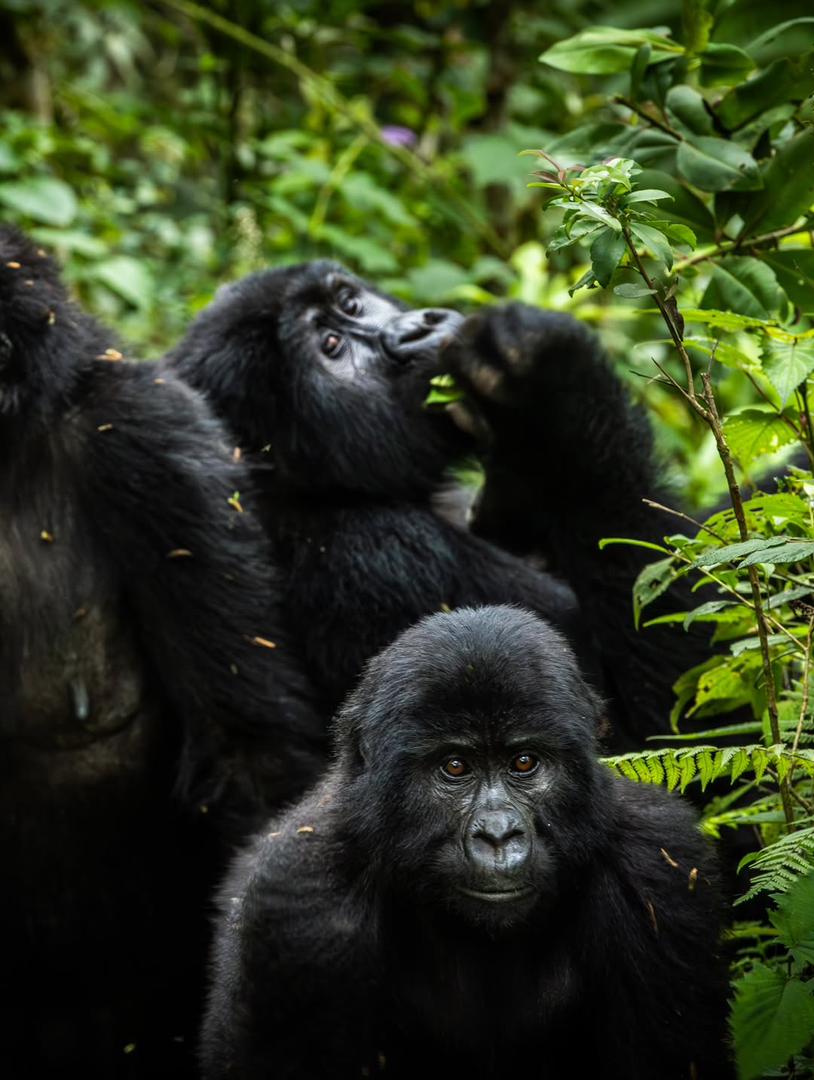 Careful logistical planning is critical for a successful and stress-free gorilla trekking experience. Since the trek takes place in remote locations, being well-prepared in advance allows you to focus entirely on the adventure rather than worrying about timing, accommodations, or paperwork.
Key Steps for Logistics Planning:
-
Transportation Arrangements:
Plan how you will get from your arrival city (Kigali, Entebbe, or Kampala) to your trekking lodge near Bwindi or Mgahinga. Options include:-
Tour operator transfer (recommended) for convenience, safety, and timing.
-
Private hire vehicles for flexibility, though you must handle border crossing and directions yourself.
-
Avoid relying solely on public transport, as it is often unpredictable and may not reach the park directly.
Ensure your vehicle is suitable for mountainous and potentially muddy roads, preferably a 4×4.
-
-
Confirm Accommodations:
Double-check your lodge reservations and confirm:-
Check-in and check-out times
-
Exact location relative to the park headquarters or trekking briefing points
-
Included amenities, such as meals, porter services, and guide arrangements
Arriving early ensures you have time to rest, acclimatize, and prepare for the trek.
-
-
Gorilla Trekking Briefings:
Most parks require early-morning briefings before the trek. Confirm the meeting point and time in advance, and plan your transportation accordingly. Being late can mean missing your allocated trekking slot, as permits are strictly timed. -
Organize Important Documents:
Keep all essential documents together in a waterproof pouch to protect them from rain or humidity. These include:-
Passport with at least 6 months validity
-
Gorilla trekking permit or confirmation letter
-
Yellow Fever vaccination certificate
-
East African Tourist Visa (if visiting multiple countries)
Having everything organized prevents delays at park entry points and border crossings.
-
-
Emergency Preparedness:
-
Store emergency contacts for your tour operator, lodge, and embassy.
-
Carry a copy of your travel insurance that covers medical evacuation in case of accidents.
-
Pack a small first aid kit and personal medications for minor injuries or illnesses.
Being prepared ensures you can handle unforeseen situations calmly.
-
-
Timing and Scheduling:
Plan your travel time, trekking date, and rest periods carefully. Arriving the day before the trek allows for rest and acclimatization, especially if you are traveling from Kigali, Entebbe, or Nairobi.
Pro Tip: Meticulous planning eliminates stress, maximizes comfort, and ensures you make the most of your once-in-a-lifetime gorilla trekking experience. A detailed checklist of logistics is highly recommended.
Conclusion
Preparing for gorilla trekking requires physical fitness, proper gear, mental readiness, and logistical planning. By following these steps, you can ensure a safe, comfortable, and once-in-a-lifetime experience observing mountain gorillas in their natural habitat. With advance preparation, you’ll be able to focus fully on the magical encounter with these incredible primates.