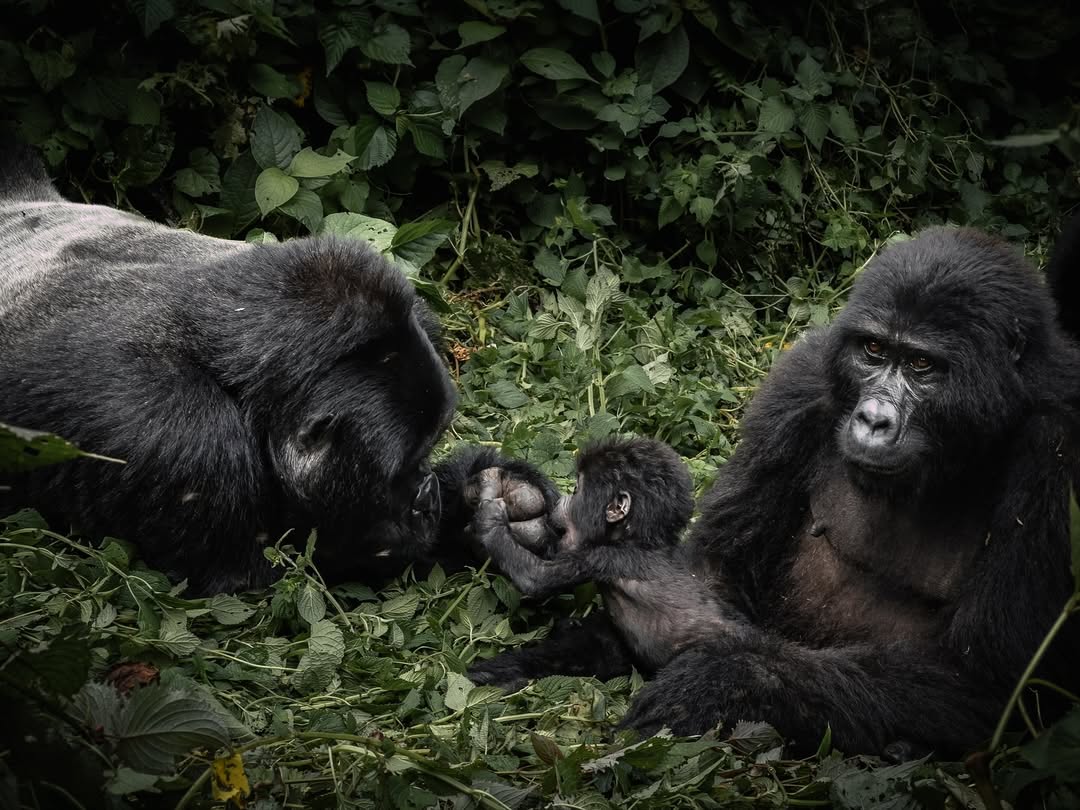
How to book a gorilla trekking permit? Gorilla trekking is one of the most unforgettable wildlife experiences in the world. To make your adventure smooth and stress-free, it’s essential to understand how to book a gorilla trekking permit, what each step involves, and how to prepare properly. This guide provides a detailed, step-by-step roadmap, including practical tips, timelines, and resources.
How to book a gorilla trekking permit
Step 1: Choosing Your Destination
Why Destination Matters
The first step is deciding where you want to trek gorillas. Rwanda, Uganda, and the Democratic Republic of Congo (DRC) are the only countries with mountain gorillas in the wild. Each offers a unique experience. Rwanda’s Volcanoes National Park is ideal for travelers seeking a premium, well-organized experience with high-end lodges, although permits cost USD 1,500. Uganda’s Bwindi Impenetrable Forest and Mgahinga Gorilla National Park are slightly more budget-friendly at USD 700 per permit, offering a mix of adventure and cultural experiences. DRC’s Virunga National Park is the most adventurous, with permits priced around USD 400–450, but requires careful planning due to security and logistical challenges.
Considerations for Choosing
Factors to consider include your budget, comfort level, trekking difficulty, and desired level of exclusivity. Rwanda is perfect for those wanting small-group, highly managed treks, Uganda balances cost and experience, and DRC suits adventurous travelers seeking a raw, off-the-beaten-path encounter.
Step 2: Understanding Gorilla Permits
How Permits Work
Gorilla permits are strictly limited to protect the animals and their habitats. Each gorilla family typically allows eight visitors per day in Rwanda, with similar restrictions in Uganda. Your permit guarantees one hour of observation under the supervision of professional rangers.
Trek Duration and Rules
Treks can last between two to six hours depending on the gorilla family’s location. Rangers enforce strict rules to minimize human impact, including no flash photography, maintaining distance, and adhering to the one-hour limit. Understanding these rules before booking helps you plan and ensures a safer, more enjoyable experience.
Step 3: Booking Your Permit
 Direct Booking
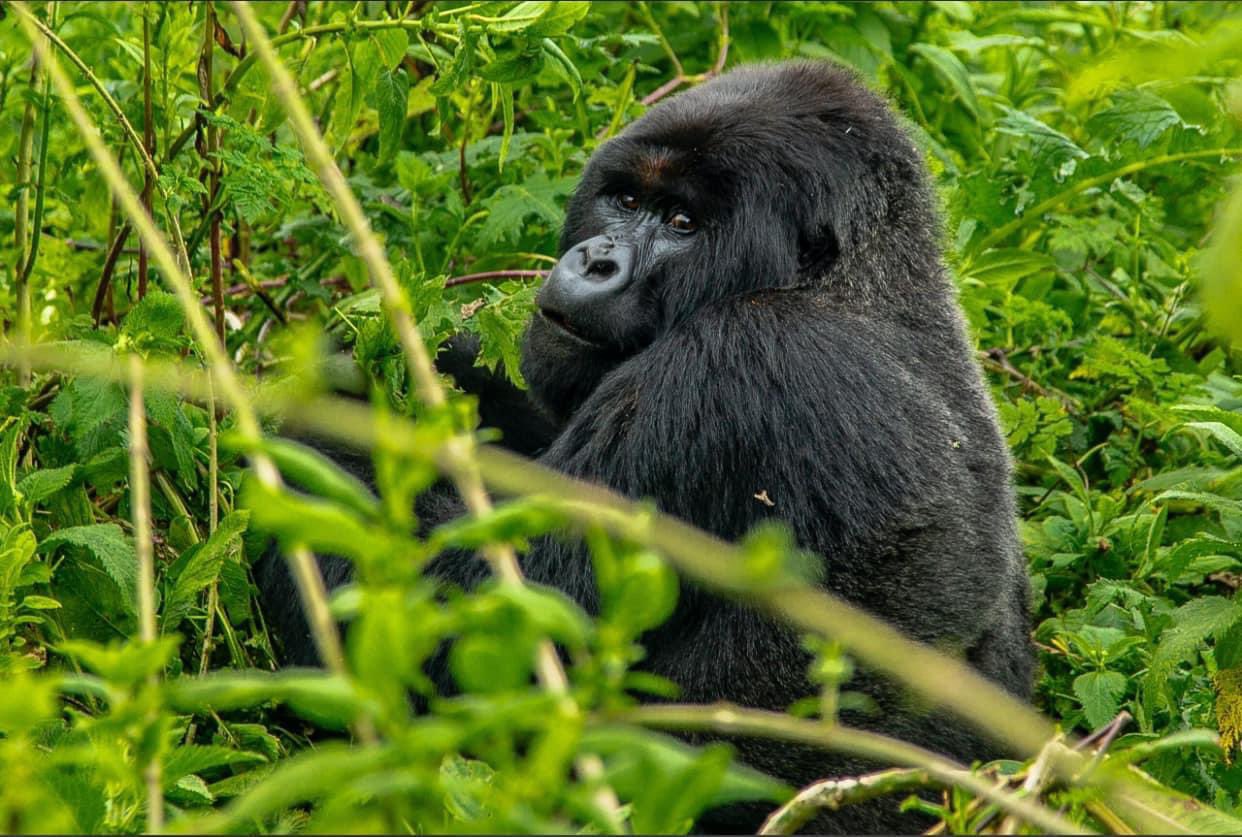
You can book directly through the official government websites. Rwanda’s permits are issued by the Rwanda Development Board (RDB), Uganda’s by the Uganda Wildlife Authority (UWA), and DRC’s by Virunga National Park (Virunga). Direct booking ensures official rates and confirmation but requires you to submit passport details, preferred trekking dates, and online payment.
Booking Through a Tour Operator
A licensed tour operator simplifies the process by handling all logistics, including permits, accommodation, transportation, guides, and optional porters. They also advise on trekking seasons, gorilla families, and local conditions, making it ideal for first-time visitors or those seeking a seamless experience. Always verify the operator is licensed and has good reviews.
Step 4: Selecting Your Trekking Date
Peak vs. Low Season
Choosing the right date is essential. Peak seasons—June to September and December to February—offer the best weather but high demand, meaning permits sell out quickly. Low season—March to May and October to November—has fewer tourists and quieter trails, but forest conditions can be muddy and challenging.
Advance Booking
It is recommended to book at least six months in advance for Rwanda, especially during peak seasons. Early planning increases your chances of securing a permit and allows you to arrange transportation, accommodation, and other activities with ease.
Step 5: Payment and Permit Confirmation
Making Payment
When booking directly, payments are usually made via credit or debit card or wire transfer. Tour operators may offer a partial deposit with final payment closer to the trek.
Confirmation Documents
After payment, you will receive an email containing your permit number and official documentation. Keep these documents safe, as park authorities require them at check-in. Missing or incorrect documentation can result in delays or even denial of entry.
Step 6: Preparing for the Trek
Physical Preparation
Gorilla trekking can be physically demanding. Trails are often steep, muddy, and uneven, so moderate fitness is essential. Walking poles can help with balance, and light, moisture-wicking clothing will keep you comfortable.
Essential Gear
Hiking boots, long pants, gloves, and a rain jacket are necessary. Cameras are permitted, but flash photography is prohibited. A camera with a zoom lens or high ISO setting is recommended to capture the gorillas safely. Proper preparation ensures both safety and an enjoyable trekking experience.
Step 7: Arrival and Pre-Trek Briefing
Early Arrival
Arriving early at the park headquarters allows you to complete registration and attend the pre-trek briefing.
Pre-Trek Instructions
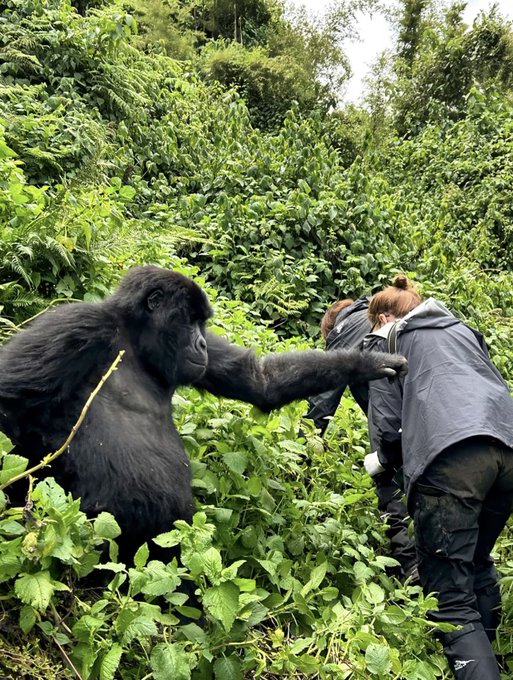
Rangers explain the trekking route, safety measures, and behavior guidelines around gorillas. You will learn how to observe them safely, avoid sudden movements, and respect the one-hour limit. Following these instructions is crucial to protecting both the gorillas and yourself.
Step 8: Trekking and Observing Gorillas
The Trek
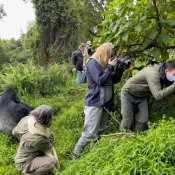
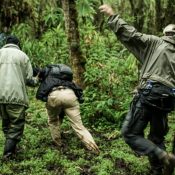
The trek begins through lush forest trails, often requiring navigation through uneven terrain, mud, and undergrowth. Your guide leads the way, tracking the gorilla family while explaining the flora, fauna, and conservation efforts in the park.
Gorilla Encounter
Once the gorilla family is located, you are allowed one hour to observe their behavior and interactions. Silence and patience are essential. Many trekkers also combine the experience with golden monkey trekking, cultural village visits, or volcano climbs, often arranged through their tour operator for a complete adventure.
Step 9: Post-Trek Considerations
 Reflect and Contribute
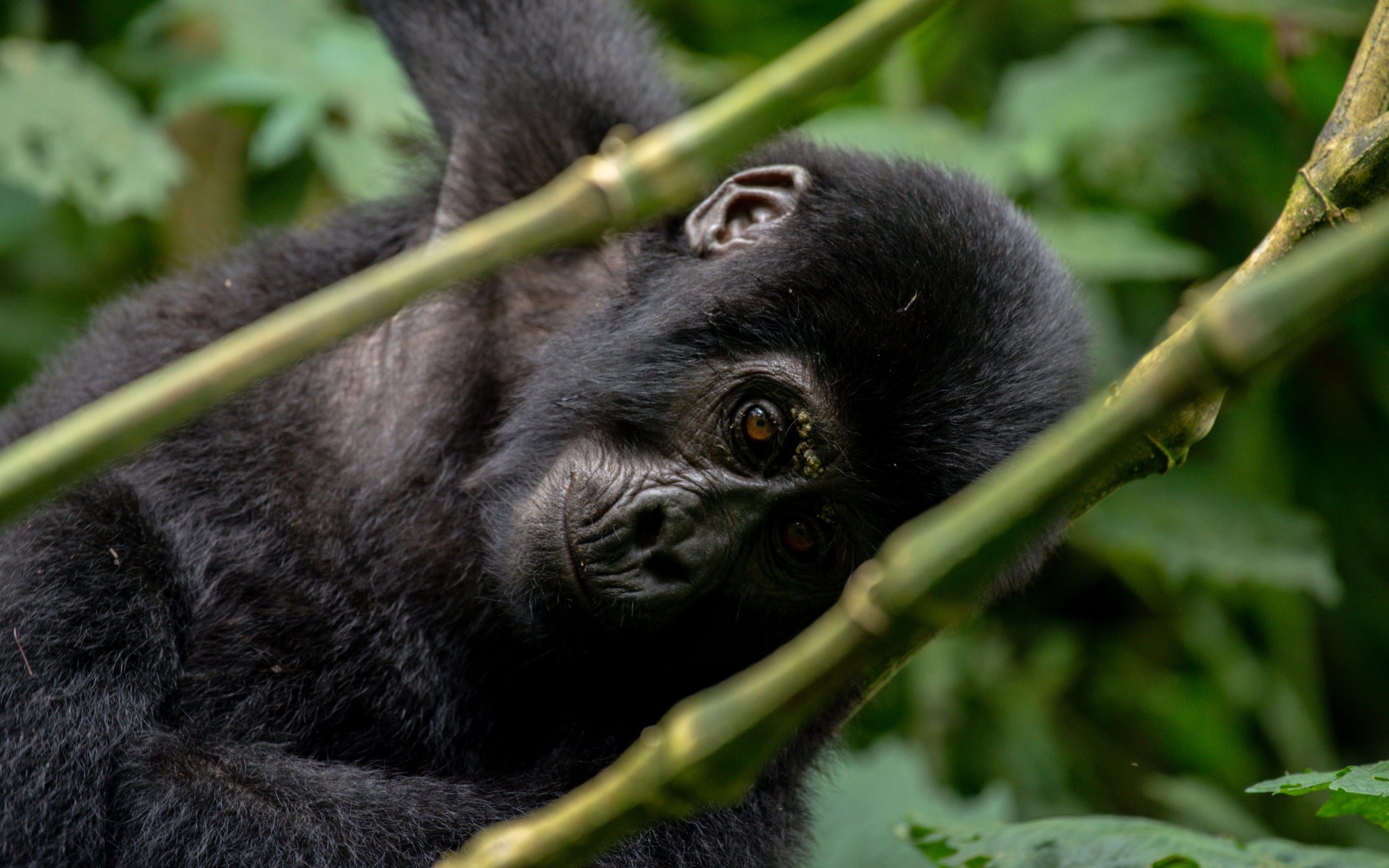
After the trek, take time to reflect on the experience and appreciate your contribution to gorilla conservation. Permit fees support anti-poaching patrols, habitat restoration, veterinary care, and local community programs.
Planning Your Next Adventure
Many travelers extend their safari experience by exploring nearby national parks, cultural sites, or combining gorilla trekking in multiple countries. Planning ahead ensures a seamless, meaningful adventure.
Conclusion
Booking a gorilla trekking permit is a multi-step process that requires careful planning, timely decision-making, and preparation. By following this step-by-step guide, you can ensure that your trek is safe, responsible, and unforgettable. Each stage—from choosing your destination to trekking and observing gorillas—supports conservation efforts while providing one of the most memorable wildlife experiences of your life.
Gorilla Trekking Permit FAQ
1. What is a gorilla trekking permit?
A gorilla trekking permit is an official authorization that allows visitors to enter national parks in Rwanda, Uganda, or the DRC to observe mountain gorillas in the wild. The permit ensures regulated access to protect these critically endangered animals and their habitat. Each permit allows one hour of observation with a gorilla family under the supervision of trained rangers.
2. How much does a gorilla trekking permit cost?
Permit costs vary by country. In Rwanda, permits cost USD 1,500 per person. In Uganda, foreign visitors pay USD 700, while in the DRC, permits range from USD 400–450. Prices reflect conservation funding, park management, and the exclusivity of the experience.
3. How do I book a gorilla trekking permit?
Permits can be booked directly through official government websites—RDB for Rwanda, UWA for Uganda, and Virunga National Park for DRC—or through licensed tour operators who manage logistics, transport, accommodation, and trekking guides. Early booking is highly recommended, especially for Rwanda, as permits sell out months in advance.
4. When is the best time to go gorilla trekking?
Peak season is June to September and December to February, offering the best weather and forest conditions. Low season runs from March to May and October to November, which usually has fewer tourists and quieter trails, though forest paths may be muddy.
5. How far in advance should I book my permit?
It is recommended to book at least 6 months in advance, particularly for Rwanda, where demand is extremely high. Early booking ensures availability, allows you to arrange accommodation and transport, and reduces the risk of missing your preferred trekking dates.
6. How physically demanding is gorilla trekking?
Trekking involves walking through dense forest, climbing slopes, and navigating muddy trails. Treks typically last 2–6 hours, depending on the gorilla family’s location. Moderate fitness is recommended, and using a trekking pole can help with balance and stability.
7. Can I take photographs during the trek?
Yes, photography is allowed, but flash is strictly prohibited as it can disturb the gorillas. A camera with a good zoom lens or high ISO setting is recommended to capture the animals safely in low-light conditions.
8. Are there age or health restrictions for gorilla trekking?
Most parks recommend trekkers be at least 15 years old, though exceptions may be allowed with parental supervision. Visitors with respiratory, heart, or mobility issues should consult a doctor and consider accessible trekking options or hiring a porter for support.
9. What should I wear and bring for the trek?
Wear long pants, moisture-wicking shirts, hiking boots, and a rain jacket. Bring gloves, a trekking pole, a camera with zoom, snacks, and water. Avoid strong scents, as gorillas have a sensitive sense of smell.
10. Do gorilla permits contribute to conservation?
Yes. The fees from gorilla permits fund anti-poaching patrols, habitat restoration, veterinary care, and local community projects, directly supporting the survival of mountain gorillas and their ecosystems.
11. Can I cancel or reschedule my gorilla permit?
Policies vary by country and booking method. Direct bookings through government websites may allow rescheduling with advance notice, while tour operators usually have their own terms. Always confirm cancellation or rescheduling options before making payment.
12. Can I combine gorilla trekking with other activities?
Absolutely. Many visitors combine gorilla trekking with golden monkey tracking, volcano climbing, wildlife safaris, or cultural village visits, often arranged through a tour operator for convenience and seamless logistics.