How Safe Is Gorilla Trekking? A Complete Guide for Travelers
Gorilla trekking is one of Africa’s most extraordinary wildlife experiences — standing quietly in a misty rainforest as a silverback gorilla watches over its family is a memory few can forget. But naturally, many travelers ask: How safe is gorilla trekking? This guide will take you through the safety aspects of gorilla trekking, covering park regulations, health precautions, trekking risks, and tips to ensure a secure and unforgettable adventure.
Gorilla Trekking: Understanding the Risks
Mountain gorillas are wild animals, and while they are generally gentle, there are inherent risks when observing them in their natural habitat. Safety depends on several factors:
-
Wild Animal Behavior
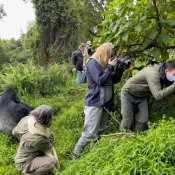
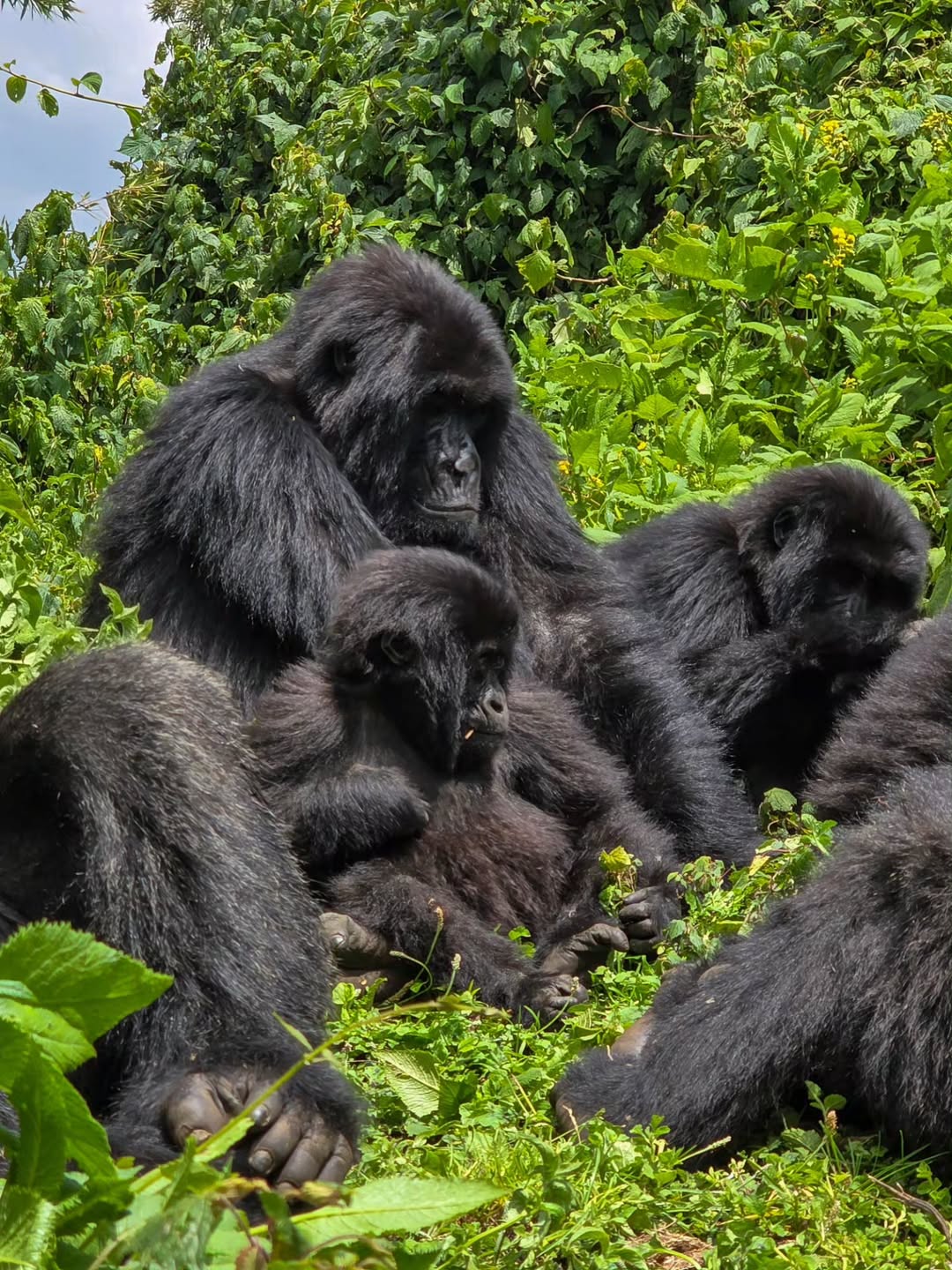
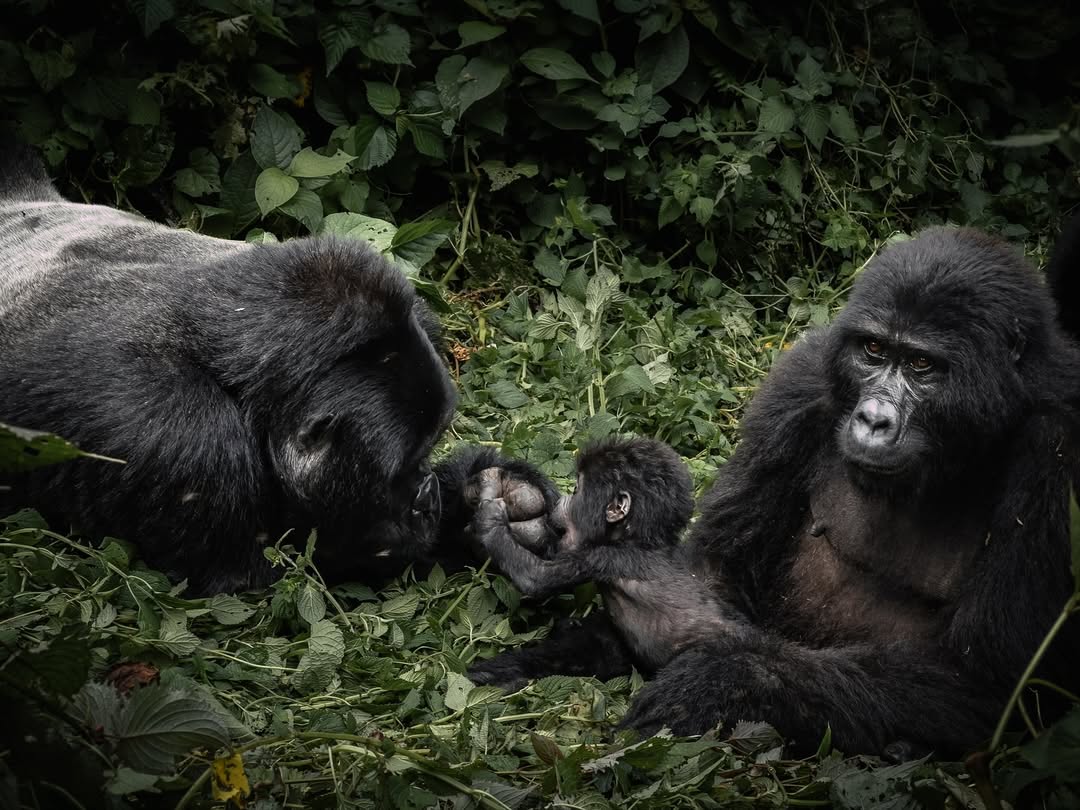
Gorillas are intelligent and social, but they can be unpredictable if they feel threatened. Silverbacks, for example, may display chest beating or vocalizations as a warning to potential danger. Visitors are required to keep a minimum distance of 7 meters (23 feet) to minimize risks and prevent stress to the gorillas. -
Forest Terrain
Gorilla treks take place in dense rainforests or mountainous terrain. Trails can be steep, muddy, slippery, and uneven, which increases the risk of falls or minor injuries. Physical fitness and sturdy footwear are essential. -
Weather Conditions
Rain, fog, or early morning mist can make trails slippery and challenging. Treks may be longer in adverse weather, requiring more stamina and caution.
Park Regulations and Safety Measures
Safety is a top priority for national park authorities and guides. Gorilla trekking is strictly regulated, ensuring both visitor and gorilla protection:
-
Visitor Limits: Only 8 people per gorilla group are allowed daily. This reduces crowding and stress on the animals.
-
Professional Guides: Every trek is led by experienced rangers and trackers who know gorilla behavior, trail conditions, and emergency protocols.
-
Time Restrictions: Visitors may spend only one hour with gorillas to prevent overstressing them.
-
Health Precautions: Visitors showing any signs of illness, such as cold, flu, or respiratory infections, are advised to skip the trek, as gorillas are highly susceptible to human diseases.
-
Safety Briefings: Before each trek, guides provide a comprehensive safety briefing, including instructions on movement, photography, and what to do if gorillas approach.
Health and Medical Considerations
 Vaccinations and Preventive Measures
Travelers should be up to date on routine vaccinations (tetanus, measles, polio) and consider vaccines like yellow fever, depending on their itinerary. Carry hand sanitizer and masks, as parks may recommend minimizing disease transmission.
Physical Fitness
Gorilla trekking demands a moderate level of physical fitness, as hikes can range from 2 to 8 hours, depending on how far the gorillas have moved. Trekkers should be prepared to walk several kilometers over uneven and often muddy terrain, navigate steep ascents, and maintain endurance for several hours in a rainforest environment. For those with mobility challenges or certain health conditions, it’s important to consult with your tour operator beforehand, as some parks may provide shorter or less strenuous trekking options to accommodate different fitness levels.
Wildlife Safety Etiquette
1. Keep Distance:
Maintaining a minimum distance of 7 meters (23 feet) from the gorillas is non-negotiable. This space protects both visitors and gorillas. Even seemingly playful juveniles or curious adults can act unpredictably if approached too closely. Close contact also increases the risk of disease transmission, as gorillas are highly susceptible to human-borne illnesses such as flu or colds. Respecting this distance ensures the gorillas feel safe and behave naturally.
2. Move Slowly and Quietly:
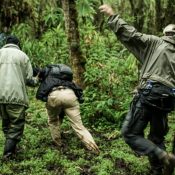
Gorillas are highly sensitive to movement and sound. Sudden gestures, rapid walking, or loud talking can alarm them, potentially causing defensive behaviors like chest beating or charging displays. Trekking calmly, speaking softly if necessary, and pausing when the gorillas are active allows you to observe their behavior without causing stress. Slow, deliberate movements also make it easier to navigate uneven, muddy, or slippery trails safely.
3. Follow Guide Instructions:
Rangers and trackers are trained experts in gorilla behavior. They know the personality of each group, the silverback’s tolerance for human presence, and safe positioning for visitors. Always listen carefully to their instructions — whether it’s where to stand, when to approach, or when to retreat. Ignoring guidance not only puts you at risk but can also disturb the gorillas or disrupt group dynamics.
4. Avoid Eye Contact:
Direct, prolonged eye contact can be interpreted by gorillas as a challenge or threat. While brief glances are fine, avoid staring directly into their eyes, especially the silverback. Instead, observe them peripherally and focus on body language and subtle behaviors, which are key to understanding gorilla social interactions. This approach helps prevent confrontations and allows for a more relaxed and natural observation experience.
Following these rules ensures a safe, respectful, and memorable gorilla trekking experience, while protecting the well-being of one of the planet’s most endangered species.
Common Injuries and Risks
While serious incidents are extremely rare, minor risks include:
-
Slips and Falls: Due to uneven, muddy terrain.
-
Scratches and Insect Bites: Dense forest vegetation and insects are common. Wearing long sleeves and trousers is advised.
-
Fatigue and Dehydration: Long treks demand physical preparation and adequate hydration.
Most national parks have medical kits and staff trained to handle minor emergencies, and the trekking guides are experienced in evacuating visitors if needed.
Gorilla Trekking Safety: Real-Life Statistics
Mountain gorilla treks are remarkably safe. Over decades of tourism, there are very few recorded incidents involving gorillas harming humans. Rangers are vigilant, and the combination of strict rules, guided treks, and habituated gorilla families ensures minimal risk.
For context:
-
Bwindi Impenetrable Forest (Uganda): Over 20,000 visitors trek annually with virtually no injuries from gorillas.
-
Volcanoes National Park (Rwanda): Similarly, regulated encounters have maintained a flawless safety record with habituated gorilla families.
Tips for a Safe Gorilla Trekking Experience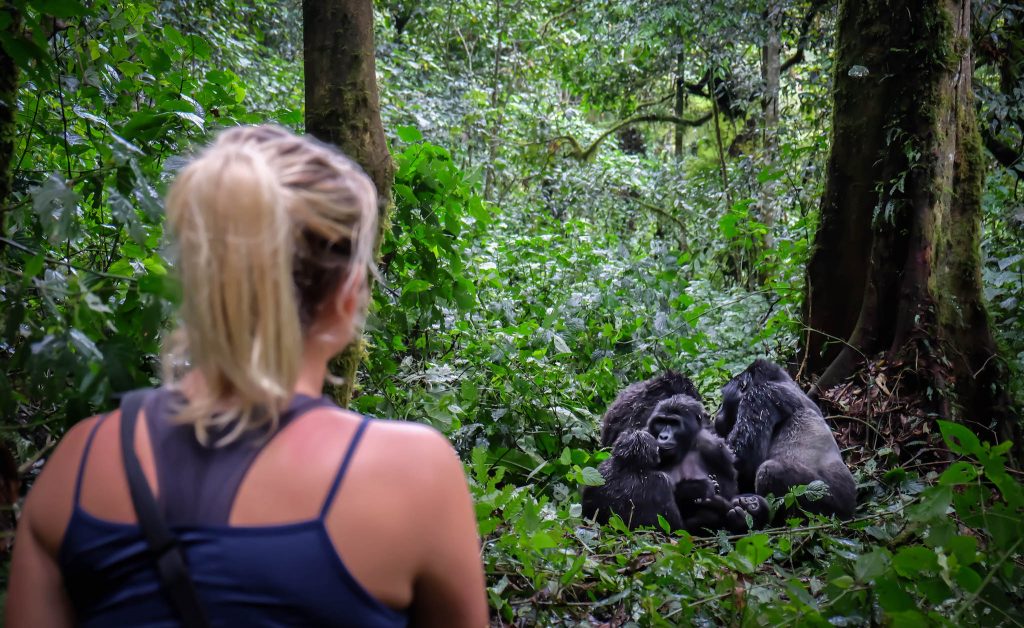
-
Listen to Your Guides: Follow instructions regarding distance, behavior, and photography.
-
Wear Appropriate Gear: Sturdy hiking boots, long trousers, long sleeves, and rain gear.
-
Stay Healthy: Avoid treks if you have respiratory illness or fever.
-
Bring Essentials: Water, snacks, and a walking stick for stability.
-
Mind Your Pace: Take breaks, especially on steep or slippery trails.
-
Respect the Gorillas: Enjoy the observation without interfering with their natural behavior.
Final Thoughts
Gorilla trekking is extremely safe when guidelines are followed. The combination of habituated gorilla groups, trained guides, and strict park regulations makes it one of the safest wildlife experiences in Africa.
Beyond safety, trekking offers a deeply personal encounter with one of the planet’s most intelligent and gentle creatures. By observing, respecting, and following rules, visitors not only protect themselves but also contribute to the ongoing conservation of mountain gorillas, ensuring that future generations can enjoy this incredible experience.
Gorilla Trekking Safety: FAQ
1. Can children go gorilla trekking?
Children under 15 years old are not allowed to trek in most parks. This rule protects both young visitors and gorillas, as children may unintentionally break safety protocols or transmit illnesses.
2. Is gorilla trekking safe for pregnant women?
Pregnant women are generally discouraged from trekking, especially in the second or third trimester, due to the physical demands of hiking steep, muddy trails. Consult your doctor before booking.
3. What if it rains during the trek?
Rain is common in rainforest habitats. Treks still proceed unless conditions become dangerous. Wear waterproof clothing, sturdy boots, and a rain cover for backpacks. Trekking poles can help maintain stability on slippery paths.
4. How physically demanding is gorilla trekking?
Trekking can range from 2 to 6 hours, depending on gorilla locations. Trails can be steep, muddy, and uneven, requiring moderate fitness. Some parks offer shorter or easier trails for less experienced hikers.
5. What safety precautions are in place against gorilla attacks?
-
Only 8 visitors per gorilla group are allowed.
-
Experienced rangers and trackers lead every trek.
-
Visitors must maintain 7 meters (23 feet) distance.
-
Time spent with gorillas is limited to 1 hour.
-
Safety briefings cover behavior protocols, such as avoiding direct eye contact and sudden movements.
6. Can gorillas transmit diseases to humans?
Yes, gorillas are susceptible to human diseases, particularly respiratory infections. Visitors who are sick or have recently been ill should postpone their trek to avoid endangering gorillas. Masks may be required in some parks.
7. Are gorilla trekking injuries common?
Serious incidents are extremely rare. Most risks involve slips, falls, or minor scratches from vegetation. Rangers carry medical kits, and trekking guides are trained to assist in emergencies.
8. Is it safe to take photographs?
Yes, but visitors must avoid flash photography, sudden movements, or approaching gorillas too closely. Always follow guide instructions for positioning and camera use.
9. What should I bring to ensure safety during the trek?
-
Sturdy hiking boots
-
Long trousers and sleeves to prevent scratches
-
Rain gear
-
Walking stick for stability
-
Water and light snacks
-
Hand sanitizer and masks
10. How do gorilla guides handle emergencies?
Rangers are trained in first aid and emergency response. They can evacuate visitors quickly if a serious injury occurs or if a gorilla behaves unpredictably. Parks also maintain communication systems with headquarters for additional support.