
What is it like to see gorillas in the wild?
Few wildlife encounters compare to seeing gorillas in their natural habitat. Walking through misty, ancient forests and suddenly coming face-to-face with these magnificent creatures is an experience that combines awe, respect, and a deep sense of connection to the natural world. For travelers visiting Uganda’s Bwindi Impenetrable Forest, Rwanda’s Volcanoes National Park, or Mgahinga Gorilla National Park, this is more than a safari—it’s a life-changing journey.
What is it like to see gorillas in the wild?

Young mountain gorilla eating, Volcanoes National Park, Rwanda
1. The Journey Begins: Trekking Through Pristine Forests
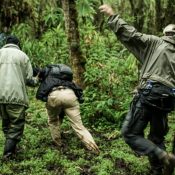
Seeing gorillas in the wild starts long before the encounter. Treks often begin early in the morning, when the forest is quiet and mist rises through the canopy. Trails wind through:
-
Dense undergrowth
-
Moss-covered trees
-
Vines and streams
The forest is alive with sounds—the calls of birds, the rustle of leaves, and distant monkey chatter—creating a sense of anticipation and wonder. Even before spotting a gorilla, you feel immersed in an ancient ecosystem, walking where humans rarely venture.
2. The First Glimpse: Awe and Intimacy
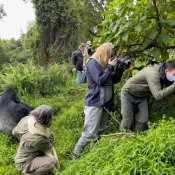
After hours of careful trekking, the moment you see a gorilla family is unforgettable. The encounter is usually quiet, as guides remind visitors to maintain a 7-meter distance and move slowly.
What makes this experience so profound:
-
Eye contact and expressions: Gorillas are incredibly expressive. You may see a juvenile’s curiosity, a mother’s protective gaze, or the calm authority of a silverback.
-
Social interactions: Grooming, play, and gentle gestures reveal a highly intelligent and social species. Watching them interact offers insight into their family dynamics and emotional depth.
-
Majesty of the silverback: The dominant male commands the group with a combination of strength and calm authority. His presence is humbling, even from a safe distance.
Many visitors describe the experience as both humbling and emotional, feeling a connection to a species so close to humans in behavior, intelligence, and social bonds.
3. The Sensory Experience
Seeing gorillas in the wild engages all your senses:
-
Sight: Observing their fur textures, facial expressions, and movements is mesmerizing.
-
Sound: Soft grunts, hoots, and the rustle of the forest create a natural symphony.
-
Smell: The forest is rich with earthy scents, mixed with the natural aroma of the gorillas themselves.
-
Touch (indirectly): While you can’t touch the gorillas, the texture of the forest, the humidity, and the feel of the trail underfoot make the experience tactile and immersive.
This multi-sensory engagement deepens the emotional impact, making the encounter feel incredibly real and intimate.
4. Photography and Memories
Capturing the moment is important for many visitors, but the key is balance:
-
Use a telephoto lens to photograph expressions, interactions, and forest context.
-
Avoid flash photography to prevent disturbing the gorillas.
-
Sometimes, the best memories are those kept in your mind, not on camera—moments of eye contact, gentle gestures, or juveniles at play.
Even at a distance, photographs can tell a story of connection, family, and the beauty of wild gorillas.
5. The Emotional and Spiritual Impact

Seeing gorillas in the wild is transformative. Visitors often report:
-
A sense of awe and humility, recognizing the intelligence and emotional depth of gorillas.
-
A feeling of connection to nature and the importance of conservation.
-
Deep gratitude for the work of rangers, conservationists, and local communities protecting these endangered animals.
Many people describe the experience as life-changing, fostering a lifelong commitment to wildlife protection and environmental stewardship.
6. Tips to Enhance the Experience
-
Be patient and quiet: Gorillas move at their own pace. Observation is more rewarding than rushing for photos.
-
Dress appropriately: Long sleeves, comfortable shoes, and layered clothing help you navigate forest trails.
-
Follow your guide’s instructions: Rangers are experts in gorilla behavior and forest safety.
-
Stay present: Immerse yourself in the sights, sounds, and sensations—this is a once-in-a-lifetime encounter.
Tip Box:
Seeing gorillas in the wild is more than a visual experience—it’s an emotional and spiritual journey. Slow down, observe, and savor every moment.
7. Final Thoughts
Encountering gorillas in the wild is one of the most extraordinary wildlife experiences on Earth. It combines adventure, emotional connection, and a deep appreciation for conservation. From the dense forest trails to the quiet intimacy of observing a family of gorillas, every step of the journey is filled with wonder.
Whether you’re captivated by the juveniles at play, the silverback’s majesty, or the subtle social interactions within the group, the experience leaves an indelible mark on your heart, inspiring respect for these incredible animals and the forests they call home.
Frequently Asked Questions (FAQ) About Seeing Gorillas in the Wild
1. How close do you get to gorillas in the wild?
Visitors must maintain a minimum distance of 7 meters (23 feet). This distance protects gorilla health, minimizes stress, and ensures visitor safety. Occasionally, curious juveniles may approach slightly, but you should never move closer yourself.
2. How long do you spend observing gorillas?
Most parks allow one hour with the gorilla family per trek. This provides enough time to observe their behavior, take photos, and fully absorb the experience without causing stress to the animals.
3. What kind of behavior can I expect to see?
You may witness:
-
Grooming and social interactions within the group
-
Playful juveniles exploring and tumbling
-
Mothers with infants
-
The silverback’s leadership and protective behavior
Every encounter is unique, as gorilla behavior varies daily.
4. Can I take photos of the gorillas?
Yes, but follow these guidelines:
-
Use a telephoto or zoom lens to get close-up shots from a safe distance.
-
Avoid flash photography, as it can disturb the gorillas.
-
Capture the forest environment to tell the full story of the encounter.
5. What is the forest like during a gorilla trek?
The forest is dense, lush, and often misty. Trails can be slippery or steep, and the environment is full of birds, monkeys, butterflies, and other wildlife, making the trek a multi-sensory experience.
6. How physically challenging is a gorilla trek?
Trekking difficulty varies by gorilla family location. Some treks are relatively short and gentle, while others can take several hours over steep, uneven terrain. Guides will recommend routes based on fitness levels.
7. How should I behave during the encounter?
-
Stay calm and quiet, letting the gorillas move naturally.
-
Follow your guide’s instructions at all times.
-
Do not attempt to touch or feed the gorillas.
-
Be patient—some of the most memorable moments happen when you simply observe.
8. Why is seeing gorillas in the wild so memorable?
The experience is emotionally powerful because gorillas display intelligence, curiosity, and social bonds similar to humans. Observing them in their natural habitat creates a deep sense of connection, awe, and respect for wildlife and conservation efforts.
9. Can children or people with mobility issues see gorillas safely?
Yes. Many parks offer accessible treks using porters or sedan chairs, and children should always be accompanied by adults. Guides ensure safety and a meaningful experience for all visitors.