Uganda vs Rwanda Gorilla – Which Is Better for Gorilla Trekking?
Gorilla trekking is one of Africa’s most extraordinary wildlife experiences — the chance to stand a few meters away from a family of mountain gorillas in their misty forest home. Both Uganda and Rwanda offer world-class trekking experiences, but each provides something unique in terms of cost, scenery, accessibility, and atmosphere.
If you’re planning your dream gorilla adventure, here’s a detailed guide to help you choose between Uganda and Rwanda.
Gorilla Trekking in Uganda
Uganda is home to over half of the world’s remaining mountain gorillas, making it one of the best destinations on Earth for close encounters with these gentle giants. The country offers two main trekking sites — Bwindi Impenetrable National Park and Mgahinga Gorilla National Park — both located in the lush southwestern region.
Trekking Locations
Bwindi Impenetrable National Park is the heart of gorilla trekking in Uganda, hosting over 20 habituated gorilla families spread across four trekking sectors: Buhoma, Ruhija, Rushaga, and Nkuringo. Each sector offers a different experience — Buhoma’s gentle trails and community encounters, Ruhija’s rich birdlife, Rushaga’s numerous gorilla families, and Nkuringo’s scenic views of the Virunga Volcanoes.
Mgahinga Gorilla National Park, though smaller, provides an equally rewarding experience with the Nyakagezi family, a group known for its playfulness and powerful silverbacks. The park’s landscape features open bamboo forests and striking views of the Virunga Volcanoes, adding a beautiful backdrop to your trek.
Gorilla Permit Cost
As of 2026, a gorilla trekking permit in Uganda costs USD 800 per person, granting you one precious hour with the gorillas. For travelers seeking a deeper experience, the Gorilla Habituation Experience — exclusive to Bwindi — costs USD 1,500 per person and allows up to four hours with a semi-habituated family as researchers observe and study their behavior.
While Uganda’s permit price is more affordable than Rwanda’s, it still directly contributes to conservation, ranger welfare, and community development around the parks.
Accessibility
Bwindi is located about 8–10 hours by road from Kampala or Entebbe, offering scenic drives through rolling hills, tea plantations, and local villages. Travelers seeking convenience can take a 1-hour flight from Entebbe to Kihihi or Kisoro airstrip, followed by a short drive to their lodge.
Uganda also makes it easy to combine your trek with classic wildlife safaris in parks such as Queen Elizabeth, Murchison Falls, and Lake Mburo, giving you a full East African adventure that blends forests, savannas, and culture.
Trekking Experience
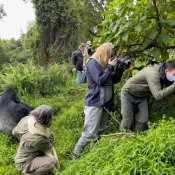
Gorilla trekking in Uganda is known for being more adventurous. The dense rainforest, uneven terrain, and unpredictable gorilla movement make each trek unique. Some groups are found in under two hours, while others require up to eight — testing endurance but rewarding trekkers with a deeper connection to nature. Along the way, you may spot forest elephants, colorful birds, butterflies, and monkeys, adding to the magic of the journey.
Overall Experience
Uganda’s gorilla trekking experience feels wild, raw, and authentic. It’s perfect for travelers who love the sense of discovery and don’t mind a bit of challenge. Beyond gorillas, Uganda offers the chance to connect with local communities, enjoy boat cruises and game drives, and explore its stunning natural diversity — all of which make it an immersive and unforgettable safari destination.
Gorilla Trekking in Rwanda
Rwanda offers one of Africa’s most seamless and luxurious gorilla trekking experiences. Nestled in the misty Virunga Mountains, Volcanoes National Park (Parc National des Volcans) is home to around 12 habituated gorilla families, making it a top destination for travelers seeking both accessibility and elegance in their adventure.
Trekking Location
Volcanoes National Park lies in northwestern Rwanda, along the borders of Uganda and the Democratic Republic of Congo. The park is part of the wider Virunga Conservation Area, which protects a chain of volcanic mountains and is rich in biodiversity. Its lush bamboo and montane forests are dotted with gorilla families such as Susa, Amahoro, Agashya, and Hirwa, each offering a unique encounter and personality.
Unlike Uganda’s dense jungles, the trails in Volcanoes are more open and less rugged, often offering panoramic views of the volcanoes and valleys below — making the trek as scenic as it is rewarding.
Gorilla Permit Cost
In most cases the debate of Uganda vs Rwanda Gorilla trekking comes down to someone’s budget. As of 2026, Rwanda’s gorilla trekking permit costs USD 1,500 per person. While this is nearly double the cost of Uganda’s permit, it reflects Rwanda’s focus on exclusive, high-end tourism and world-class conservation programs.
A significant portion of the revenue supports the Rwanda Development Board’s community initiatives, including infrastructure development, education, and healthcare projects for local communities living around the park. The funds also directly contribute to gorilla protection, anti-poaching efforts, and sustainable tourism research — ensuring that each visitor plays a part in the long-term survival of mountain gorillas.
Accessibility
One of Rwanda’s greatest advantages is its remarkable accessibility. The park is just a 2.5-hour drive from Kigali, along well-paved scenic roads that wind through the country’s iconic rolling hills. This proximity makes it possible to land in Kigali and trek the very next morning, making Rwanda the most convenient destination for travelers with limited time.
Because of this, many visitors combine gorilla trekking with a luxury safari in Tanzania’s Serengeti, Kenya’s Maasai Mara, or a city and cultural tour of Kigali, making it an ideal stop on an East African circuit.
Trekking Experience
Trekking in Volcanoes National Park is generally shorter and less strenuous than in Uganda. The bamboo forests and gentle slopes offer easier navigation, though altitude (ranging from 2,400–3,500 meters) can still make the hike physically engaging. Most treks last between 2–5 hours, including one unforgettable hour spent observing the gorillas as they feed, play, and interact in their natural surroundings.
The guides and trackers in Rwanda are highly professional, offering insightful commentary about gorilla behavior, the park’s ecology, and ongoing conservation efforts. The experience is intimate, emotional, and incredibly well-organized — balancing comfort with authenticity making it win the Uganda vs Rwanda Gorilla trekking debate.
Overall Experience
Rwanda’s gorilla trekking experience is refined, efficient, and deeply inspiring. The country has built a reputation for its cleanliness, safety, and strong conservation ethics, often described as Africa’s model for sustainable tourism. With its luxury eco-lodges, smooth logistics, and breathtaking scenery, Rwanda appeals to travelers who value comfort, accessibility, and exclusivity.
Beyond the trek, visitors can extend their stay to explore Nyungwe Forest National Park for chimpanzees and canopy walks, or Akagera National Park for Big Five safaris — creating a complete, diverse, and enriching Rwandan adventure.
Uganda vs Rwanda Gorilla – Best Time to Visit
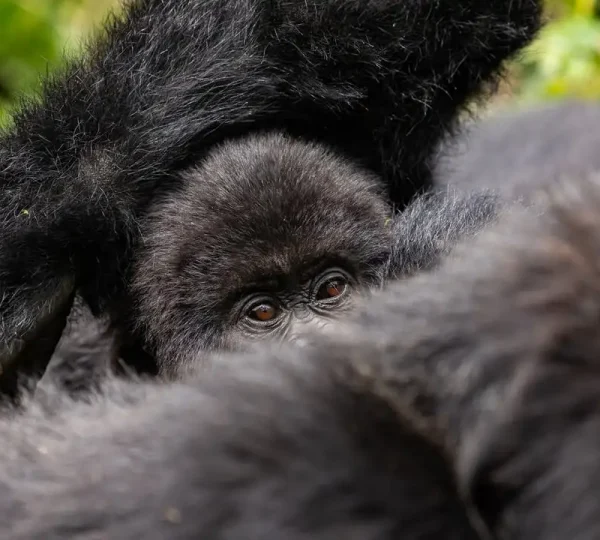
Gorilla trekking in Uganda and Rwanda
Gorilla trekking is available year-round in both Uganda and Rwanda, but certain seasons offer better trekking conditions.
Best Seasons (Dry Seasons)
-
June to September
-
December to February
During these months, trails are drier and less slippery, making hiking easier. Visibility is also better for photography, and gorillas are easier to locate since they tend to stay closer to the lower slopes.
Rainy Seasons (March to May & October to November)
While the rainy season brings heavier rainfall, it also offers lush green scenery, fewer tourists, and discounted lodge rates. The gorillas are still trekked daily — in fact, some visitors prefer this period for a more intimate experience.
Tip: No matter when you visit, the weather in the forests can change suddenly. Pack good hiking boots, rain gear, and gaiters for muddy trails.
Uganda vs Rwanda Gorilla : Key Differences at a Glance
| Feature | Uganda | Rwanda |
|---|---|---|
| Main Park | Bwindi Impenetrable, Mgahinga | Volcanoes National Park |
| Permit Cost | USD 800 | USD 1,500 |
| Number of Gorilla Families | 26 | 12 |
| Trek Duration | 2–8 hours | 2–5 hours |
| Terrain | Dense rainforest, rugged | Open bamboo forest, easier |
| Accessibility | 8–10 hrs drive / 1 hr flight | 2.5 hrs from Kigali |
| Gorilla Habituation | Available (4 hours) | Not available |
| Best For | Adventure seekers, nature lovers | Luxury travelers, short trips |
Uganda vs Rwanda Gorilla – Which Should You Choose?
Choose Uganda if:
-
You want a more adventurous, affordable trek.
-
You plan to combine gorilla trekking with game drives or cultural experiences.
-
You’re interested in the Gorilla Habituation Experience.
Choose Rwanda if:
-
You prefer comfort, shorter travel times, and luxury lodges.
-
You have limited time (a 2–3 day trip is possible).
-
You value conservation-based tourism and accessibility.
Uganda vs Rwanda Gorilla – Final Thoughts
Uganda vs Rwanda Gorilla offer unforgettable gorilla trekking adventures — it all depends on your travel style, budget, and time. Uganda provides a more rugged and affordable journey with plenty of add-on adventures, while Rwanda offers a premium, easily accessible, and polished experience.
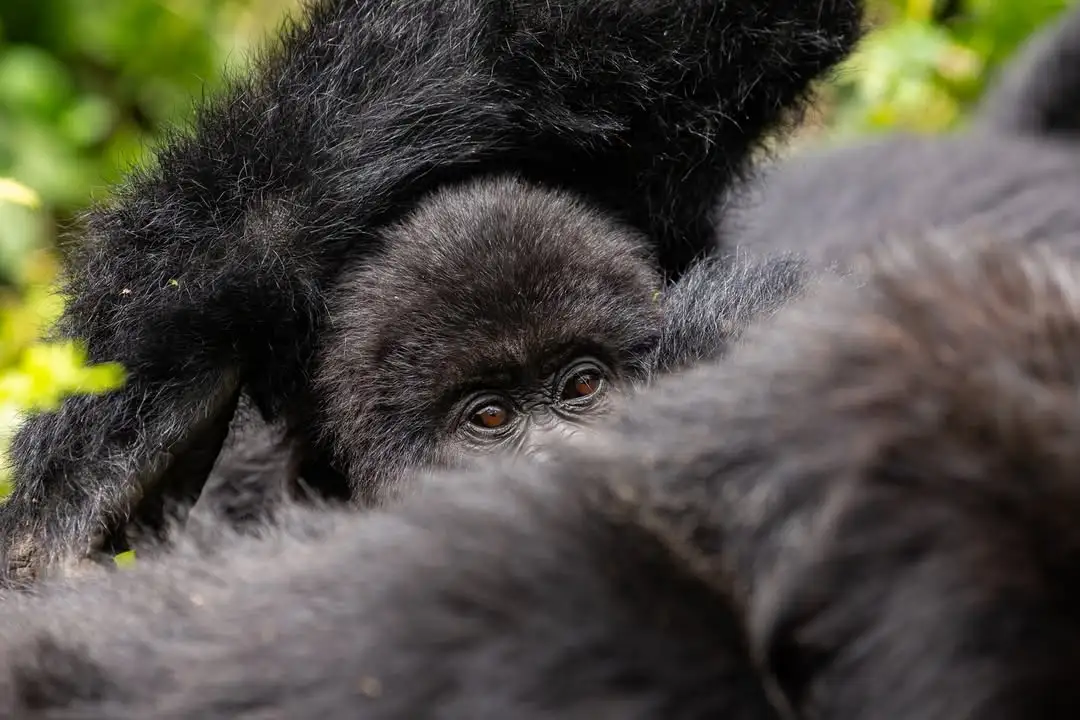
Whichever you choose, you’ll leave with one of the most profound memories of your life — standing in silence as a mountain gorilla looks back at you from the misty green heart of Africa.
Uganda and Rwanda Frequently Asked Questions
1. How fit do I need to be for gorilla trekking?
You don’t need to be an athlete, but a moderate level of fitness is important. Treks can involve climbing hills, crossing streams, and walking through dense vegetation for several hours.
2. How long does the trek take?
Depending on where the gorillas are located, the trek can take between 2 and 8 hours in Uganda and 2 to 5 hours in Rwanda.
3. How much time can I spend with the gorillas?
Once you find them, you’re allowed a maximum of 1 hour in their presence to observe, photograph, and enjoy the moment. The Gorilla Habituation Experience in Uganda allows 4 hours.
4. Can children join gorilla trekking?
No. The minimum age is 15 years in both Uganda and Rwanda for safety and health reasons.
5. Are gorilla trekking permits refundable or transferable?
Permits are non-refundable and non-transferable, but can sometimes be rescheduled under valid circumstances.
6. What should I pack for gorilla trekking?
Essentials include hiking boots, rain jacket, gloves, long trousers, insect repellent, reusable water bottle, and snacks. A walking stick (often provided) is also very helpful.
7. Is it safe to trek gorillas?
Yes — absolutely. Treks are led by professional guides and armed rangers who ensure safety. The gorillas are habituated to human presence and generally calm and peaceful.
8. When is the best time to photograph gorillas?
Early morning treks (7–10 AM) offer the best natural light and active gorilla behavior. A camera with a good zoom lens (without flash) is