Difference Between Gorilla Trekking and Gorilla Habituation
Gorilla trekking is the most popular activity for visitors to Uganda’s Bwindi Impenetrable National Park and Rwanda’s Volcanoes National Park. It involves hiking through dense rainforest to locate a fully habituated gorilla family — groups that are accustomed to human presence but still live freely in the wild.
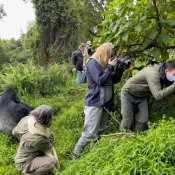
A typical trek starts with an early morning briefing by park rangers, followed by a guided hike that can last 2 to 6 hours, depending on where the gorillas were last seen. Once the gorillas are found, visitors spend a maximum of one hour observing and photographing them from a safe distance of about 7 meters (23 feet).
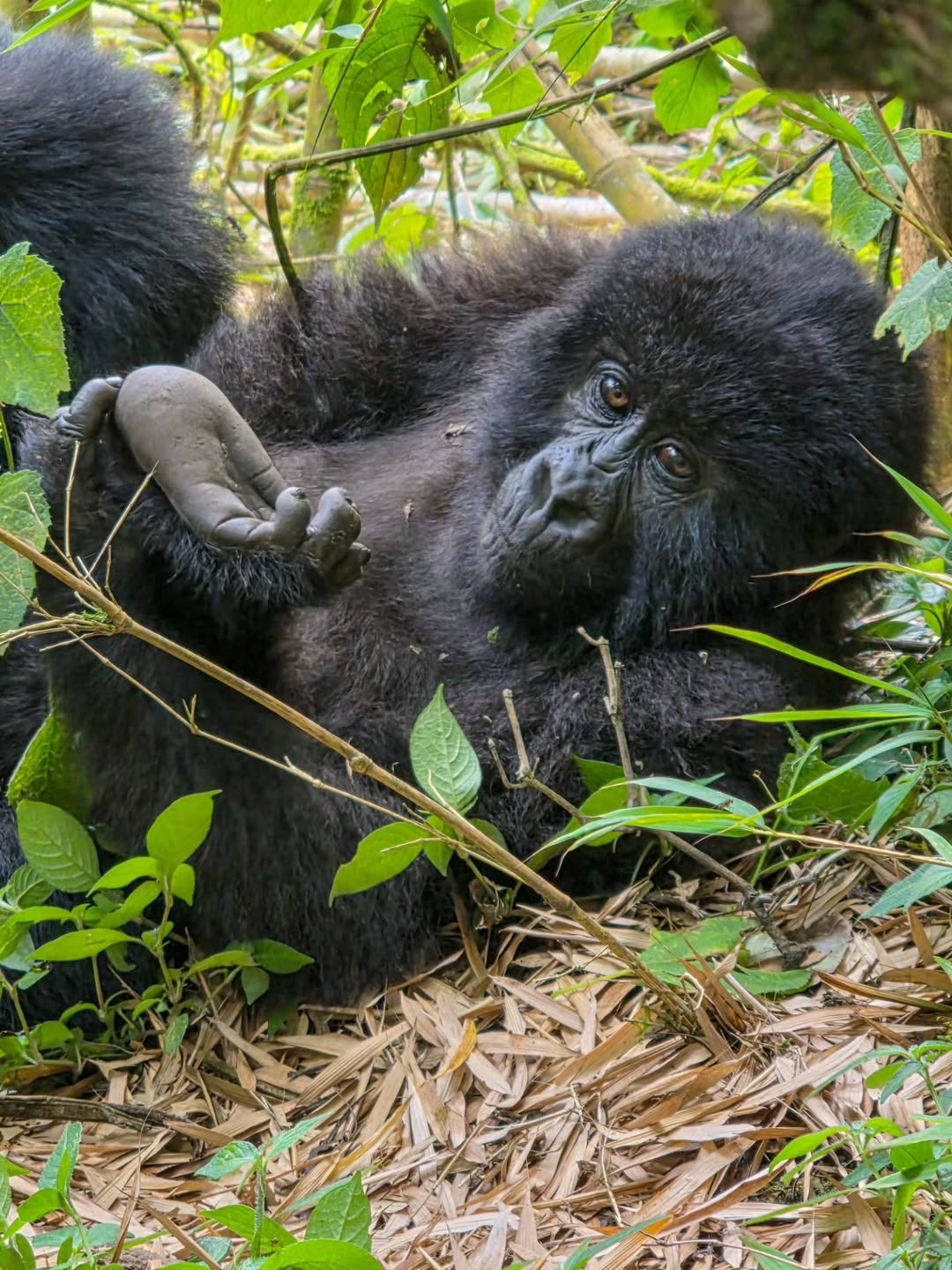
During this time, trekkers can watch gorillas feed, play, groom each other, and communicate through gestures and vocalizations — a truly moving wildlife encounter.
What Is Gorilla Habituation?
Gorilla habituation is a more immersive, research-based experience that allows travelers to join park rangers, trackers, and conservationists as they train wild gorillas to become accustomed to human presence. This process helps scientists and conservation teams prepare new gorilla families for future eco-tourism visits.
Unlike trekking, gorilla habituation offers up to four hours with a semi-habituated gorilla group. Because these gorillas are still learning to tolerate humans, the experience feels raw, authentic, and unpredictable — perfect for wildlife enthusiasts, researchers, and photographers who want deeper insight into gorilla behavior and conservation work.
Currently, Uganda is the only country offering the Gorilla Habituation Experience, available in the Rushaga and Nkuringo sectors of Bwindi Impenetrable National Park.
Duration and Group Size
Gorilla Trekking:
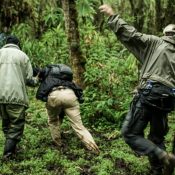
A standard gorilla trek typically lasts between 2 to 6 hours, depending on how far the gorillas have moved since the previous day. The experience begins with a morning briefing, followed by a guided hike through thick rainforest terrain, where you’ll trace signs like broken vegetation, footprints, and dung to locate the gorilla family. Once found, trekkers are allowed a precious one hour in their presence — a time that feels almost magical as you quietly observe these majestic creatures in their natural home.
To protect the gorillas and minimize human impact, each habituated group is visited by a maximum of 8 tourists per day, ensuring an intimate and respectful wildlife encounter.
Gorilla Habituation:
The gorilla habituation experience, on the other hand, is designed for travelers seeking a longer and more immersive encounter. The trek can last a full day, including up to 4 hours of interaction with the gorillas once they are located. Because the gorillas are still being accustomed to human presence, these sessions are slower, quieter, and often more unpredictable — providing a behind-the-scenes look at how researchers and rangers earn the gorillas’ trust over time.
Group sizes are kept very small, with only 4 visitors allowed per day. This exclusivity allows for closer observation and a more personal, conservation-focused experience.
Cost Difference
The cost of gorilla permits reflects both the duration and the exclusivity of the encounter.
-
Gorilla Trekking Permit:
-
Uganda: $800 per person
-
Rwanda: $1,500 per person
-
-
Gorilla Habituation Permit (Uganda only):
-
$1,500 per person
-
Although habituation permits are more expensive, they provide four times the time with the gorillas compared to standard trekking. The higher price also supports ongoing research, ranger training, anti-poaching efforts, and community development around gorilla habitats. For many travelers, the additional cost is well worth the once-in-a-lifetime opportunity to observe conservation in action and gain a deeper appreciation of gorilla behavior.
Level of Adventure
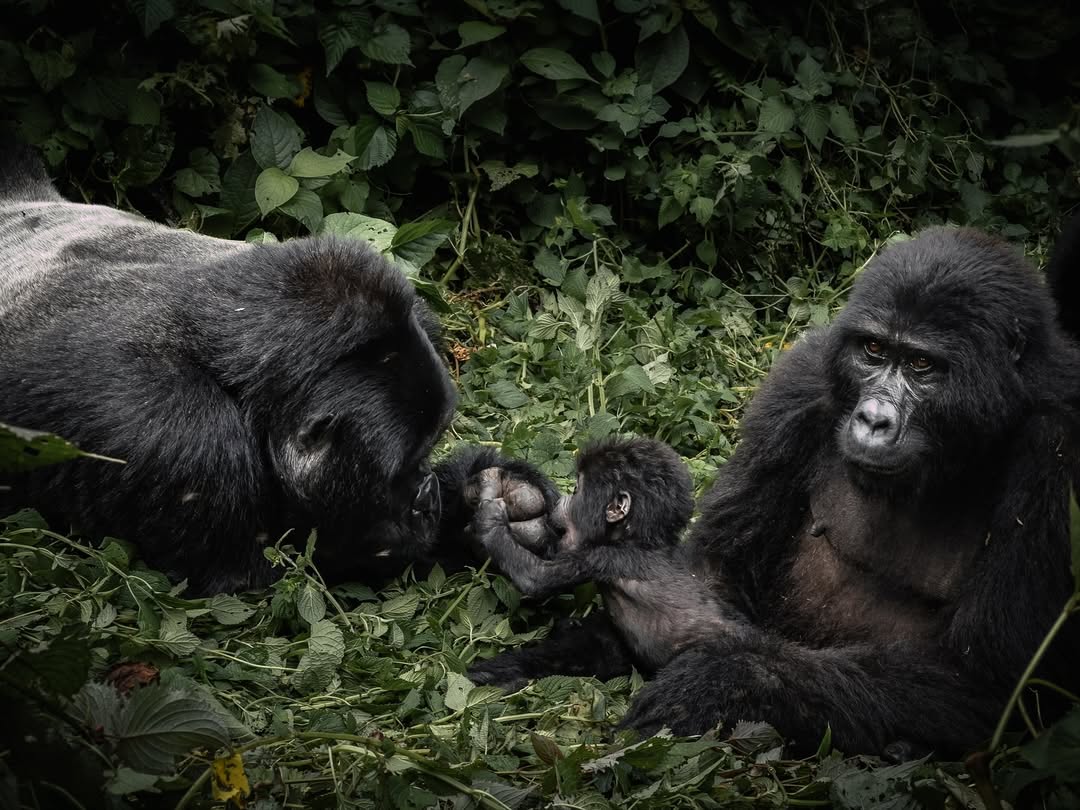 Both gorilla trekking and habituation are physically demanding activities that require moderate fitness levels. Trekkers should be prepared for steep slopes, muddy trails, dense vegetation, and humid conditions. The trek’s intensity largely depends on the gorillas’ location and the terrain of the park sector visited.
However, gorilla habituation tends to be more challenging. Since the semi-habituated families often range deeper into the forest or higher in elevation, participants may hike longer distances and navigate more rugged terrain. The reward, though, is an unparalleled connection with the wild — you’re not just observing but actively participating in the process of habituating gorillas for future ecotourism and research.
Both experiences are led by professional rangers and trackers, who prioritize safety at all times. Rangers carry knowledge of each gorilla group’s temperament and are trained to interpret their behavior, ensuring that both visitors and gorillas remain calm throughout the encounter.
Choosing the Right Experience
When deciding between gorilla trekking and gorilla habituation, it helps to understand what each experience offers and which type of traveler it best suits.
Gorilla trekking is the more popular option and is available in both Uganda and Rwanda. Trekkers spend one unforgettable hour with a fully habituated gorilla family — gorillas that are completely comfortable with human presence. Each group is limited to eight participants, allowing for an intimate and respectful experience while ensuring minimal disturbance to the animals. The purpose of this activity is primarily tourism and wildlife observation, offering travelers a thrilling yet well-structured encounter in the rainforest.
A gorilla trekking permit costs $800 in Uganda and $1,500 in Rwanda, depending on where you choose to go.
On the other hand, the gorilla habituation experience is unique to Uganda and is designed for those who want a deeper, more hands-on look at gorilla behavior and conservation. During this full-day adventure, visitors spend up to four hours with semi-habituated gorillas — families that are still learning to accept human presence. The smaller group size, limited to just four people, ensures a more exclusive and personal interaction.
This activity is not just tourism; it’s part of ongoing research and conservation efforts led by Uganda Wildlife Authority trackers and scientists. Because of its exclusivity and educational nature, the permit costs $1,500 per person.
In short, gorilla trekking offers a classic, structured experience ideal for first-time visitors, while gorilla habituation is best suited for adventurous travelers, photographers, and wildlife enthusiasts eager to witness conservation in action.
Final Thoughts
Whether you choose gorilla trekking or gorilla habituation, both experiences offer unforgettable insights into the lives of these gentle giants and contribute directly to their conservation. Trekking provides a magical, one-hour glimpse into a gorilla family’s world, while habituation offers a deeper, more hands-on encounter that supports long-term research and protection efforts.
No matter which you choose, walking alongside mountain gorillas in their misty forest homes is one of Africa’s most profound wildlife adventures — one that stays with you forever.