What to Pack for Gorilla Trekking (Ultimate Packing Guide for Uganda, Rwanda & Congo)
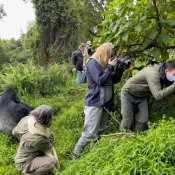
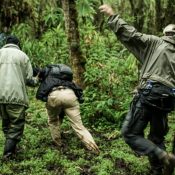
Gorilla trekking is one of the world’s most thrilling wildlife encounters, taking you deep into East Africa’s mountainous rainforests to observe endangered mountain gorillas in their natural habitat. But the trek can be physically challenging: the trails are steep, muddy, slippery, and often unpredictable. Weather conditions can shift from sunny to rainy within minutes, and temperatures vary as you move through different altitudes.
Packing correctly is not just about comfort—it’s essential for safety, efficiency, and making the most of this once-in-a-lifetime experience. Whether you’re trekking in Bwindi Impenetrable National Park, Mgahinga Gorilla National Park, or Volcanoes National Park in Rwanda, this comprehensive gorilla trekking packing list ensures you’re fully prepared.
1. Essential Clothing for Gorilla Trekking
Gorilla trekking takes you deep into thick rainforest, often on steep, muddy, and uneven terrain. The vegetation can be thorny, trails can be slippery, and the weather changes without warning. Wearing proper trekking clothing is crucial not just for comfort, but also for safety and protection. Below is a detailed guide to what you should wear and why it matters.
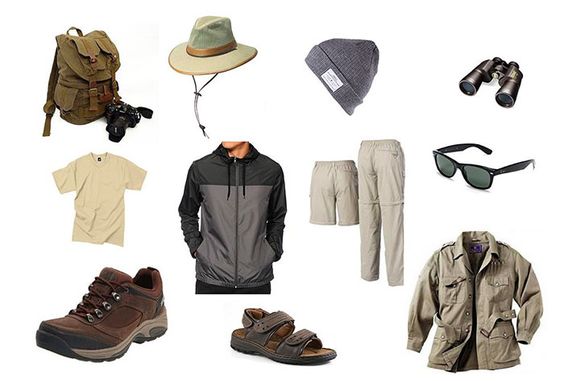
Long-Sleeved Shirt
A long-sleeved, breathable hiking shirt is one of the most essential items for gorilla trekking. The rainforest is full of stinging plants, prickly branches, and biting insects, all of which can irritate exposed skin. Long sleeves offer multiple layers of protection:
-
Defense Against Insects: Mosquitoes, safari ants, and other insects are common in tropical forests, especially early in the morning. A long-sleeved shirt reduces the chance of bites.
-
Protection from Scratches: As you walk through thick vegetation, branches and vines can easily scratch your arms.
-
Sun Protection: If the sun comes out during your trek, covered arms help prevent sunburn, especially on long hikes.
-
Warmth in Cool Weather: Gorilla trekking starts early—temperatures are cool and misty at higher altitudes.
Choose shirts made from quick-drying, moisture-wicking materials. Neutral colors such as olive, brown, beige, or grey work best because they blend into the environment and avoid attracting insects.
Long Hiking Trousers
Your legs need full protection when trekking through Bwindi, Mgahinga, or Volcanoes National Park. Avoid shorts, as they expose you to thorns, stinging nettles, and biting insects.
Look for trousers that are:
-
Durable and Scratch-Resistant: The forest is dense and unforgiving. Thin leggings or casual pants can easily tear.
-
Flexible and Comfortable: Stretchy hiking trousers allow for comfortable movement on steep or uneven ground.
-
Lightweight and Quick-Drying: Rain, morning dew, and mud are common in the rainforest.
-
Convertible: Some trekking pants have zip-off legs, which is useful when relaxing at your lodge after the trek.
Tucking your trousers into long socks also helps keep safari ants from crawling up your legs.
Waterproof Jacket or Poncho
Rain can fall unexpectedly—even in dry months—because gorilla trekking takes place in tropical, high-altitude forests. A compact waterproof jacket or poncho is essential for staying dry and comfortable.
A good jacket provides:
-
Protection from Rain: Keeps your clothing dry, preventing discomfort and chills.
-
Wind Resistance: High-altitude areas can be windy, especially on exposed slopes.
-
Backpack Protection: A poncho that covers both you and your backpack ensures your gear stays dry.
-
Camera Safety: Essential for photographers carrying sensitive equipment.
Choose a lightweight jacket that easily folds into your backpack.
Fleece or Warm Layer
Mountain climates can be surprisingly cold. Gorillas live in regions between 2,000–3,000 meters above sea level, where temperatures drop in the mornings and evenings.
A fleece or warm mid-layer is useful for:
-
Cold Starts: The trek briefing begins early—around 7:00 am—when the forest is misty and chilly.
-
High Altitudes: Trails often lead up steep ridges where temperatures can drop quickly.
-
Comfort During Breaks: If you take a rest or wait for trackers, a warm layer prevents you from getting cold while stationary.
Choose a lightweight fleece jacket that you can easily remove once you warm up during the hike.
2. Footwear for Gorilla Trekking
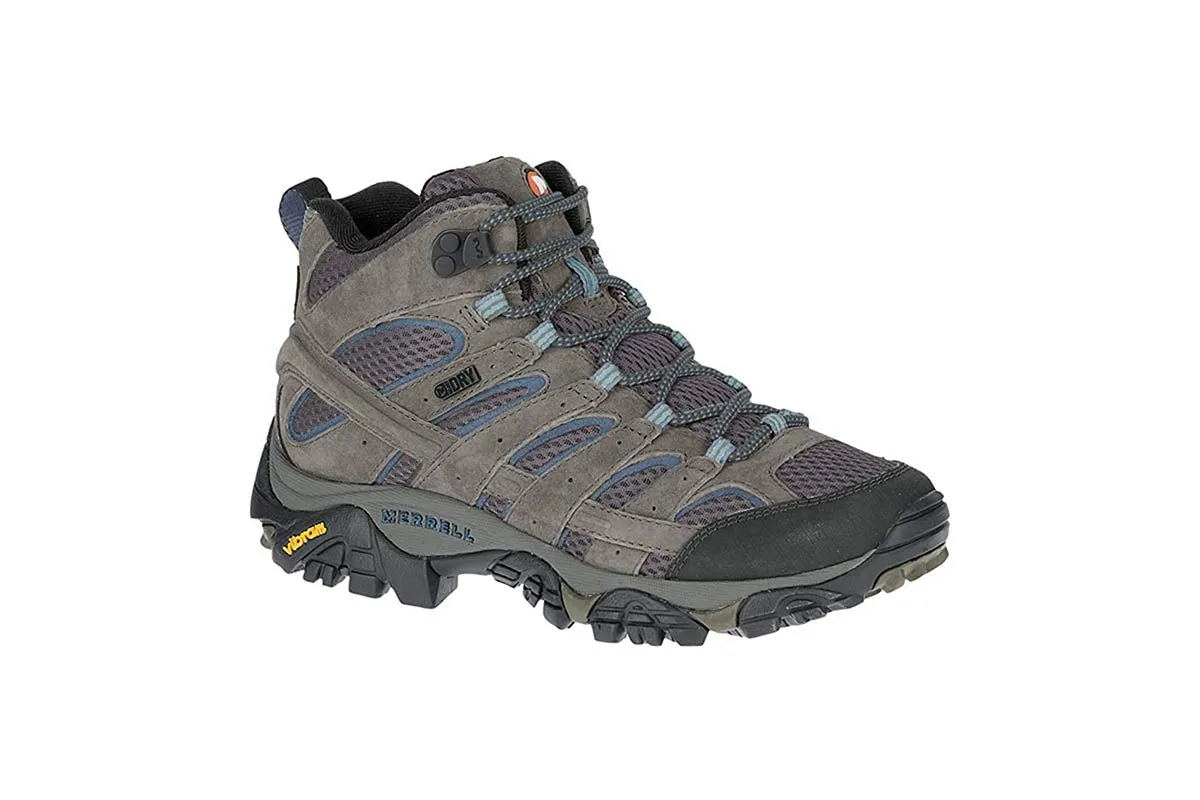 When preparing for gorilla trekking, your footwear is one of the most important items you will pack. The trails in Bwindi, Mgahinga, and Volcanoes National Park can be steep, muddy, and uneven, often covered with thick vegetation, loose soil, or slippery leaves. Proper hiking footwear ensures stability, prevents injuries, and keeps you comfortable during long hours of trekking—sometimes 2 to 8 hours depending on the gorilla family’s movement.
Waterproof Hiking Boots
A good pair of high-quality hiking boots is absolutely essential. Choose boots that provide:
• Strong Ankle Support
The trekking trails wind through rugged terrain, uphill and downhill. Strong ankle support prevents sprains and keeps your feet stable when navigating slippery rocks or roots.
• Deep Treads / Good Grip
Look for boots with aggressive, deep soles (Vibram or similar). These help you maintain traction on:
-
Muddy slopes
-
Wet ground
-
Loose gravel
-
Moss-covered rocks
A strong grip significantly reduces the risk of slipping.
• Waterproof or Water-Resistant Material
Gorilla trekking takes place in tropical rainforest, where sudden rain showers are common. Waterproof boots help you:
-
Walk through wet grass and streams
-
Stay dry during rainfall
-
Prevent water from soaking your socks
Dry feet mean more comfort and fewer blisters.
• Proper Fit and Comfort
Your boots should fit snugly but comfortably. If they are too tight, you’ll get painful blisters. Too loose, and they will cause friction.
Break in your hiking boots before your trip.
Wear them during walks or short hikes at home for at least 1–2 weeks. This prevents discomfort during the actual trek.
Comfortable Hiking Socks
Your socks are just as important as your boots. The right socks reduce friction, wick away sweat, and help prevent blisters.
Recommended Types:
-
Merino wool socks: Excellent moisture control and cushioning
-
Synthetic moisture-wicking socks: Dry quickly and prevent sweat buildup
-
Avoid cotton socks: They absorb moisture and stay wet, leading to friction and blisters
Consider packing two pairs for trekking day—one to wear and one as a backup in case your feet get wet.
Optional: Gaiters
Gaiters add extra protection by covering the area between your boot and lower leg. They help keep:
-
Mud
-
Water
-
Insects
-
Stones
-
Debris
from entering your boots. They are especially useful during the rainy season.
Optional: Lightweight Camp Shoes
After the trek, your feet will appreciate a break from heavy boots. Carry a pair of:
-
Sandals
-
Lightweight trainers
-
Slip-ons
for relaxing at the lodge.
3. Trekking Accessories You Must Bring
While clothing and footwear are the foundation for a successful gorilla trek, the right accessories make the journey safer, more comfortable, and enjoyable. These items protect you from the jungle environment and help you navigate the trails efficiently.
Gardening Gloves
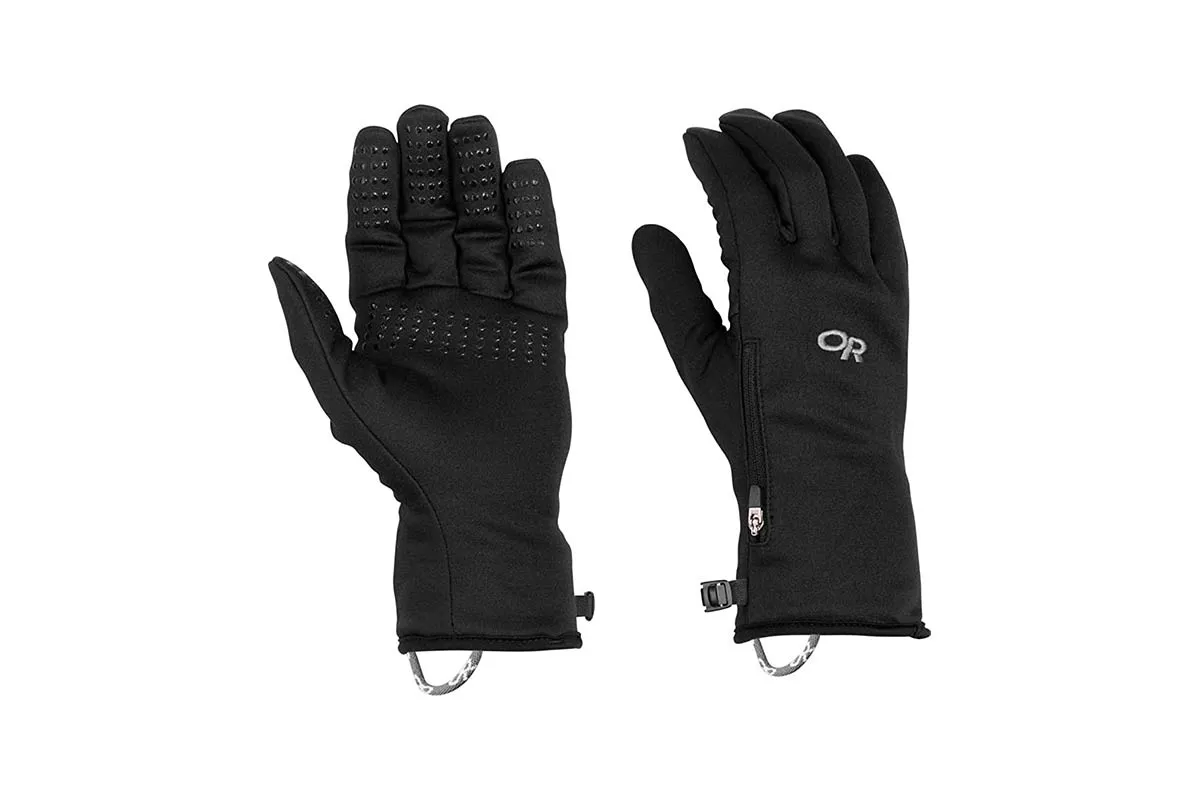 Gardening gloves may seem simple, but they are absolutely essential when trekking through dense rainforest. The gorilla trails often involve moving through thick vegetation, grabbing onto branches, vines, and shrubs for support, or helping yourself over muddy slopes. Gloves protect your hands from:
-
Cuts and scratches from thorns and sharp branches
-
Insect bites and stings from ants or other forest insects
-
Slippery mossy surfaces when holding onto rocks or tree trunks
Choose lightweight, breathable gloves that allow for easy movement and a good grip. Fingerless gloves are less ideal as they expose your fingertips to scratches, while heavy-duty gardening gloves offer full protection without being cumbersome.
Walking Stick or Trekking Poles
A walking stick or trekking pole is one of the most useful tools for gorilla trekking. While the park authorities usually provide sticks at the trekking starting point, bringing your own poles can enhance stability and comfort. Trekking poles are particularly helpful for:
-
Maintaining balance on steep, uneven, or slippery trails, which are common in Bwindi, Mgahinga, and Volcanoes National Parks
-
Reducing strain on knees and joints when descending slopes
-
Supporting stability while crossing small streams or muddy patches
-
Boosting endurance, allowing you to tackle long hikes without excessive fatigue
Opt for lightweight, adjustable trekking poles with comfortable grips. Some models even have shock absorption, which is beneficial on long treks.
Waterproof Daypack
A small, sturdy daypack is essential for carrying your personal items safely while trekking. Choose a backpack that is compact yet spacious enough to hold all your essentials, ideally with a built-in rain cover or waterproof material. Items to carry include:
-
Water: Staying hydrated is critical; bring at least 1–2 liters in a leak-proof bottle
-
Snacks: Energy bars, nuts, or trail mixes for long treks
-
Camera gear: Protect cameras or smartphones from rain and scratches
-
Rain jacket or poncho: Quick access in case of sudden showers
-
Personal items: Sunscreen, insect repellent, and a small first-aid kit
Look for a backpack with adjustable straps, padded back support, and multiple compartments to keep gear organized. A bag that sits snugly on your back prevents it from swinging and unbalancing you on narrow, muddy trails.
With gloves, trekking poles, and a waterproof daypack, you’ll be well-prepared to navigate the rainforest safely and comfortably while maximizing your gorilla trekking experience. These accessories complement your clothing and footwear, ensuring you can focus on observing the gorillas and enjoying the breathtaking scenery without unnecessary stress or discomfort.
4. Food & Water Essentials
Proper hydration and nutrition are crucial during gorilla trekking, as the trails can be physically demanding, steep, and muddy. Trekking can last anywhere from 2 to 7 hours, depending on how far the gorilla family is from the starting point, so having sufficient water and energy-boosting snacks ensures you remain comfortable, energized, and focused throughout the hike.
At Least 1–2 Liters of Drinking Water
Carrying your own water is highly recommended. Even if your lodge or tour operator provides bottled water, having your own ensures you stay hydrated at every stage of the trek. Water helps:
-
Maintain energy levels while walking uphill or navigating slippery trails
-
Prevent dehydration, which can cause fatigue, headaches, or dizziness
-
Keep your body temperature regulated in the humid rainforest environment
Consider using a leak-proof bottle or a hydration pack that allows you to sip water frequently without stopping. If the trek is longer, aim for at least 2 liters per person, especially during warmer months or dry seasons.
Energy Snacks
High-energy snacks are essential for maintaining stamina during long hikes. Even a short trek can be exhausting due to the uneven terrain and steep climbs. Snacks should be lightweight, non-perishable, and easy to eat on the go. Recommended options include:
-
Energy Bars: Provide quick carbohydrates and protein to keep you energized
-
Nuts: Almonds, cashews, or peanuts give long-lasting energy and healthy fats
-
Biscuits / Crackers: Offer simple carbs that are easy to digest
-
Dried Fruit: Raisins, apricots, or mangoes provide natural sugars and micronutrients
Many lodges and tour operators provide snack packs for trekkers, but it’s wise to bring your own extra supply in case the hike is longer than expected or you need an extra boost.
Tip: Avoid heavy or greasy foods that might upset your stomach during the trek. Pack snacks in a small waterproof pouch to keep them dry and accessible without slowing down your pace.
By carrying adequate water and energy snacks, you ensure that your body stays hydrated, fueled, and ready to fully enjoy the once-in-a-lifetime experience of being in close proximity to mountain gorillas.
5. Photography Gear for Gorilla Trekking
Capturing moments during a gorilla trek is one of the most rewarding parts of the experience, but the rainforest environment presents unique challenges. Dense vegetation, low light, humidity, and unpredictable weather mean that preparation is key to ensuring your camera gear stays safe while helping you get stunning shots.
Camera with a Good Zoom Lens
Gorillas are fascinating to photograph, but you must always respect their space. Most gorillas are encountered about 7 meters (23 feet) away, so a good zoom lens is essential. Recommended options include:
-
DSLR or Mirrorless Camera: A 70–200mm lens is ideal for close-up shots without disturbing the gorillas.
-
Compact Cameras / Smartphones: Modern smartphones with high-resolution cameras can work well in good lighting conditions.
-
Silent Shooting Mode: Minimize noise to avoid startling the gorillas.
Important: Flash photography is strictly prohibited to protect the gorillas’ eyesight and prevent stress. Always use natural light or increase ISO settings if necessary.
Extra Batteries & Memory Cards
Mountain rainforests tend to be cool and humid, which can cause batteries to drain faster than usual. Memory can also fill up quickly when shooting photos and videos, so it’s important to carry:
-
Fully charged extra batteries stored in insulated pockets to maintain optimal temperature
-
Additional memory cards to avoid running out of storage
-
Portable power banks for smartphones or small cameras, if allowed
By carrying spares, you ensure that you won’t miss any critical moments with the gorillas.
Waterproof Camera Bag
The jungle can be wet, muddy, and unpredictable. A waterproof camera bag protects your gear from:
-
Sudden rainfall or drizzle
-
Mud splashes along slippery trails
-
Humidity that could damage sensitive electronics
Look for padded bags with multiple compartments to separate lenses, batteries, and other accessories. Some backpacks come with built-in rain covers for extra protection, which is highly recommended during the rainy season.
Additional Tips for Gorilla Photography
-
Silent Operation: Turn off all sounds on your camera.
-
Stabilization: Use image stabilization or a small monopod to prevent blurry shots on uneven ground.
-
Quick Access: Keep your camera ready in the bag, so you can capture fleeting moments without fumbling.
-
Respect the Gorillas: Never move closer than allowed or make sudden movements; your safety and the gorillas’ welfare come first.
By carefully selecting and protecting your photography gear, you can capture unforgettable memories while maintaining safety and respect for the gorillas in their natural habitat.
6. Health & Safety Essentials
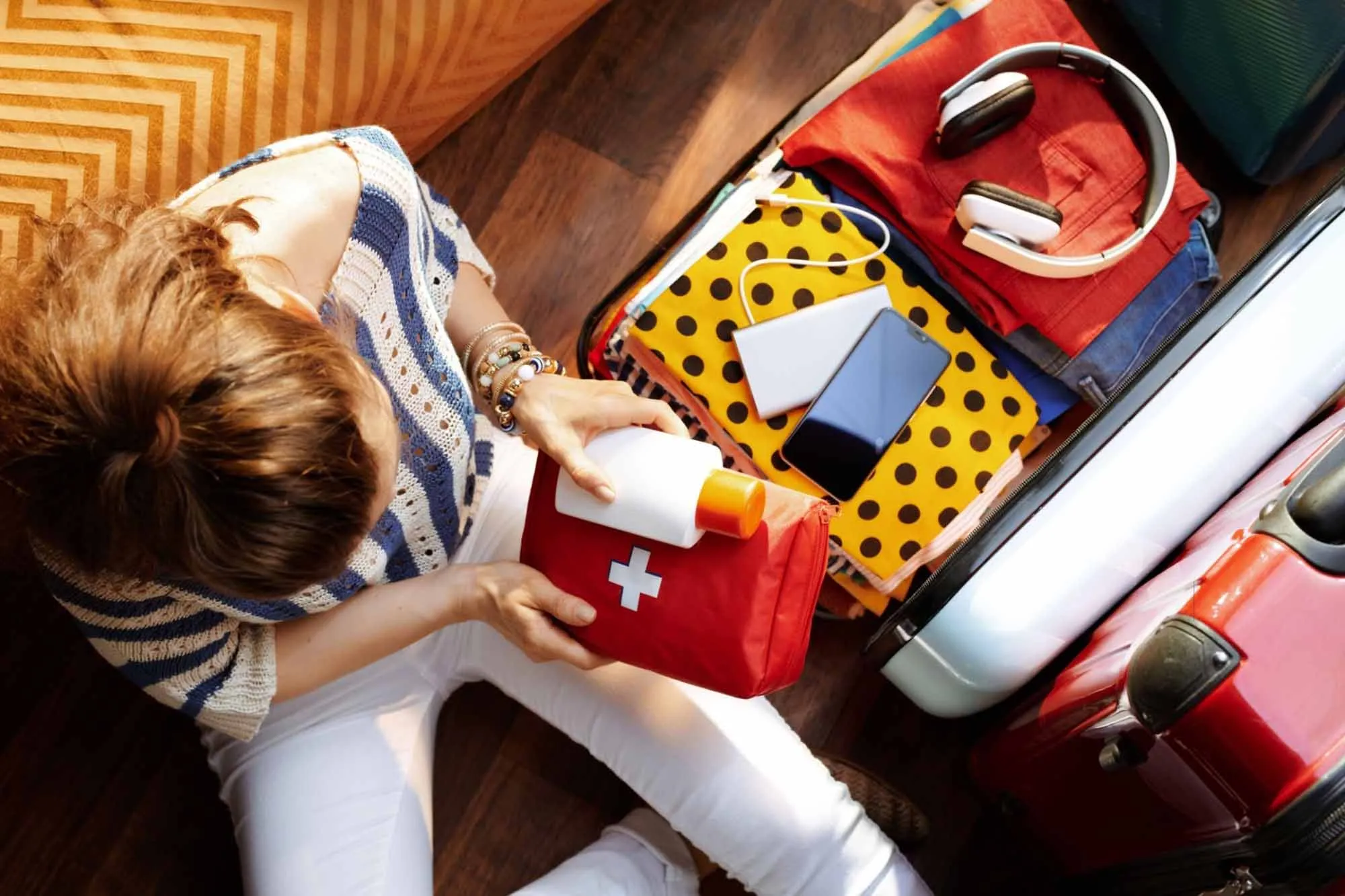 Gorilla trekking takes place in remote, dense rainforests with humid conditions, uneven trails, and wildlife. Bringing the right health and safety items ensures a safe and comfortable experience.
Insect Repellent
The forests of Bwindi, Mgahinga, and Volcanoes National Park are home to many insects, including mosquitoes that may carry diseases such as malaria. A good insect repellent:
-
Reduces the risk of bites and irritation
-
Protects exposed skin on hands, face, and neck
-
Can be used on clothing for added protection
Choose a repellent containing DEET (20–50%) or picaridin, which is effective and long-lasting. Apply generously before entering the forest and reapply as needed.
Sunscreen & Lip Balm
Even though you’re walking under the canopy, UV rays can penetrate through gaps, especially at higher altitudes. Protect your skin and lips with:
-
SPF 30 or higher sunscreen for face, neck, and hands
-
Moisturizing lip balm with SPF to prevent chapped or sunburned lips
-
Reapply every few hours if you sweat or after rain
This helps prevent sunburn and keeps you comfortable during long hours outdoors.
First Aid Basics
A small personal first aid kit is essential for minor injuries and discomforts encountered during trekking:
-
Plasters and bandages for small cuts and scratches from branches
-
Antiseptic wipes or cream to clean wounds
-
Pain relievers or anti-inflammatories for headaches, muscle aches, or fatigue
-
Personal medications such as antihistamines, anti-malarials, or prescription medicines
Store everything in a small, waterproof pouch for easy access during the trek.
Hand Sanitizer
Hand sanitizer is important to maintain hygiene before eating snacks or handling water bottles while on the trail. Choose a travel-size bottle for convenience and frequent use.
7. Important Documents to Bring
Carrying the correct documents is crucial to ensure a smooth gorilla trekking experience and avoid delays at borders or park entrances.
Passport
Ensure your passport is valid for at least six months from the date of travel. Keep it in a waterproof pouch to prevent damage from rain or sweat.
Gorilla Permit
The gorilla permit (or confirmation letter) must match your passport details exactly. This permit grants access to the gorilla trekking trail and is non-transferable. Keep a printed copy as well as a digital backup.
Yellow Fever Vaccination Card
Both Uganda and Rwanda require proof of yellow fever vaccination. Bring your original card and keep it accessible for border officials.
East African Tourist Visa (if applicable)
If you plan to visit multiple countries such as Uganda, Rwanda, and Kenya, an East African Tourist Visa allows multiple entries and simplifies border crossings.
Storage Tips
-
Keep all documents in a waterproof or sealed pouch
-
Carry them in your daypack or close to your body for easy access
-
Avoid removing documents unnecessarily while trekking to prevent loss
Having these health essentials and documents organized ensures that your gorilla trekking experience is safe, hassle-free, and fully enjoyable.
8. Optional but Highly Recommended Items
While not strictly required, these items can make your gorilla trekking experience significantly more comfortable, safe, and enjoyable:
✔ Gaiters
Gaiters are protective coverings that wrap around your lower legs and boots. They help:
-
Prevent mud, leaves, and small rocks from entering your shoes
-
Protect against insects and ants that crawl along the forest floor
-
Keep socks and legs dry during rainy or muddy conditions
Choose lightweight, durable gaiters that are easy to put on and remove.
✔ Lightweight Binoculars
A small pair of binoculars allows you to observe the forest wildlife from a distance, such as:
-
Birds, monkeys, and other primates
-
Rare mammals or reptiles without disturbing them
-
Gorilla behavior when they are slightly farther away
Binoculars with 8×42 magnification are perfect for trekking — powerful enough to see details, yet compact and easy to carry.
✔ Reusable Water Bottle
Eco-conscious trekking is important in these pristine environments. A reusable water bottle:
-
Reduces plastic waste
-
Keeps you hydrated throughout the trek
-
Can be filled multiple times at lodges or checkpoints
Consider bottles with built-in filters for added convenience in case you need to refill from local water sources.
✔ Extra Cash
Always carry some small denominations in USD or local currency (UGX / RWF) for:
-
Tipping porters, guides, or staff
-
Purchasing snacks or drinks along the trail
-
Emergency expenses or small souvenirs
Tipping porters is customary and greatly appreciated, usually USD 15–20 per trek.
9. Hiring a Porter — Strongly Advised
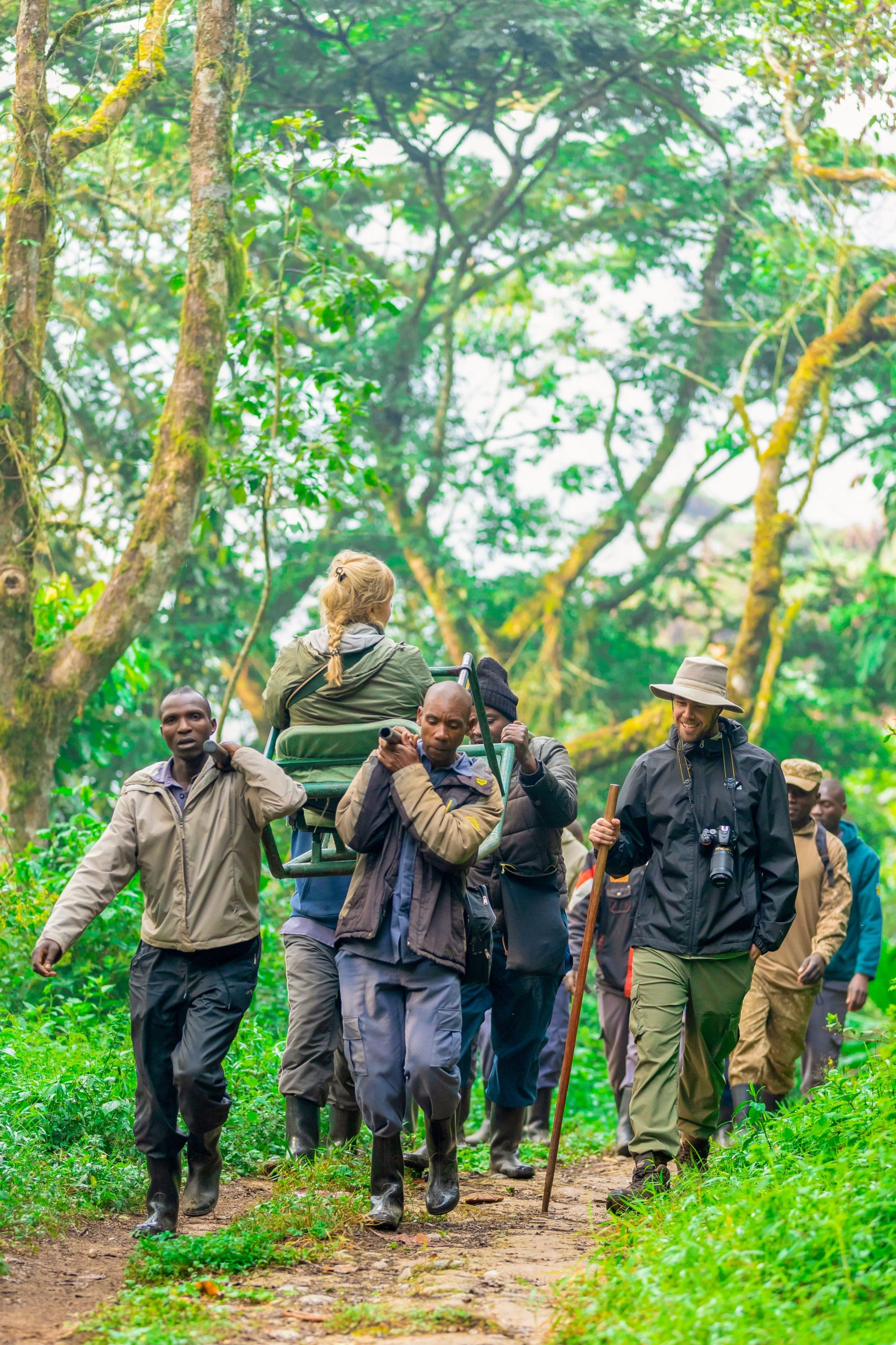 Even if you are physically fit, hiring a porter is highly recommended for safety and comfort:
-
Carrying Gear: Porters carry your backpack, allowing you to move more freely and focus on the gorillas.
-
Navigating Difficult Trails: They help you climb steep, slippery, or muddy sections safely.
-
Supporting Local Communities: Hiring porters contributes directly to local livelihoods, supporting families and conservation efforts.
-
Enhanced Experience: With lighter loads and local guidance, your trek is more enjoyable and less tiring.
Porters are available at the park gates and typically cost USD 15–20 per person per trek, a small investment for safety and comfort.
10. What NOT to Pack
To ensure safety, compliance with park regulations, and maximum comfort, avoid bringing the following items:
-
Flash Photography Equipment: Flash is strictly prohibited as it can stress gorillas.
-
Drones: Drones are not allowed in national parks and can disturb wildlife.
-
Bright-Colored Clothing: Colors like red, orange, or pink are disruptive and make you stand out, potentially alarming gorillas. Stick to neutral colors (green, khaki, brown).
-
Heavy Luggage: Only carry essential items in a lightweight, waterproof daypack; heavy loads increase fatigue and can affect your balance on uneven trails.
Focus on lightweight, practical, and protective gear to maximize comfort, safety, and enjoyment.
Conclusion
Packing correctly for gorilla trekking ensures you stay comfortable, safe, and fully prepared for the unpredictable rainforest environment. With the right gear—especially strong boots, long clothing, a rain jacket, and essential accessories—you’ll enjoy an unforgettable encounter with the mighty mountain gorillas of Uganda, Rwanda, or Congo.