
Self-Drive Gorilla Trekking in Bwindi – Camping, Routes, and Travel Tips
There’s something deeply liberating about being behind the wheel of your own 4×4, cruising through the rolling hills of southwestern Uganda with mist hanging low over the valleys. As you wind your way toward Bwindi Impenetrable National Park, the home of the world’s remaining mountain gorillas, you feel a mix of anticipation and wonder. This is what makes self-drive gorilla trekking so special — it gives you complete freedom to explore at your own pace, take spontaneous detours, and connect more deeply with the land.
Unlike traditional guided tours, a self-drive safari allows you to experience Uganda’s wilderness on your terms. You decide when to stop for photos, where to camp, and how long to linger by a mist-covered ridge. For travelers who crave independence, adventure, and authenticity, self-driving to Bwindi for gorilla trekking is an unforgettable journey into the heart of Africa’s wild beauty.

Why Choose Self-Drive Gorilla Trekking Over Guided Tours
While guided safaris have their charm, self-drive gorilla trekking brings a level of personal connection and adventure that’s hard to replicate. It’s perfect for travelers who enjoy the challenge of navigating new terrains and crafting their own itinerary. Uganda’s well-maintained road network, friendly locals, and reliable 4×4 rental services make it a great country for independent travelers.
Choosing to self-drive means you set your schedule and travel at your own rhythm. You can stop to admire scenic viewpoints, visit roadside markets, or detour to nearby national parks like Lake Mburo or Queen Elizabeth before reaching Bwindi. This flexibility allows for a more immersive experience — one where the journey itself becomes part of the adventure. And with camping gear onboard, your safari transforms into a true wilderness expedition under the stars.
Bwindi Impenetrable National Park, located in southwestern Uganda, is a UNESCO World Heritage Site renowned for its incredible biodiversity and unique ecosystem. The park’s dense rainforest is one of Africa’s oldest, dating back over 25,000 years, and shelters nearly half of the world’s remaining population of mountain gorillas.
The terrain is rugged and mountainous, blanketed in thick vegetation that gives the park its name — “impenetrable.” But this raw wilderness is exactly what makes Bwindi so captivating. Beyond the gorillas, the park is home to over 350 bird species, 120 mammals, and several primates including L’Hoest’s and colobus monkeys. Every trek through the forest reveals something new — from rare orchids and butterflies to breathtaking views across the Albertine Rift.
Driving to Bwindi: The Best Self-Drive Routes and Scenic Stopovers
Getting to Bwindi is part of the adventure, and the self-drive routes leading to the park are some of the most scenic in East Africa. The route you choose will depend on where you’re starting from, your time frame, and what else you’d like to see along the way.
Driving from Entebbe or Kampala to Bwindi
For many travelers, the journey begins in Entebbe or Kampala. The route passes through Masaka, Mbarara, and Kabale before reaching Bwindi, covering approximately 500 kilometers. Along the way, you can stop at the Equator monument in Kayabwe for photos, enjoy a wildlife drive in Lake Mburo National Park, and have lunch in Mbarara town. The final stretch from Kabale to Bwindi winds through the beautiful terraced hills of Kigezi, offering unforgettable scenery.
Driving from Queen Elizabeth National Park to Bwindi
If you’re coming from Queen Elizabeth National Park, the route via the Ishasha sector to Buhoma is a fantastic option. This drive takes four to five hours and offers a chance to see the famous tree-climbing lions of Ishasha before heading into gorilla country. The road meanders through remote villages and lush farmland, giving you a glimpse into rural Ugandan life.
Driving from Kigali, Rwanda to Bwindi
For those arriving from Rwanda, the drive from Kigali to Bwindi via the Cyanika or Gatuna border posts takes around four to five hours. This is one of the shortest and most scenic routes to the park, with breathtaking views of the Virunga Volcanoes and rolling tea plantations. Many travelers prefer this route because Kigali’s international airport offers more flight options and competitive fares.
Understanding Bwindi’s Gorilla Trekking Sectors for Self-Drive Visitors
Bwindi is divided into four main gorilla trekking regions — Buhoma, Ruhija, Rushaga, and Nkuringo — each offering unique landscapes and trekking experiences. Knowing which sector to visit helps you plan your self-drive route and choose the most convenient camping or lodging options.
Buhoma Sector – The Classic Entry Point for Gorilla Trekking
Located in northern Bwindi, Buhoma is the oldest and most popular trekking sector, famous for hosting the park’s first gorilla trek in 1993. It’s easily accessible by road from Queen Elizabeth National Park and offers a range of accommodation, from community campsites to luxury lodges. Buhoma is ideal for first-time visitors seeking a blend of adventure, comfort, and cultural encounters with the nearby Batwa community.
Ruhija Sector – High Altitude Serenity and Birdwatching Haven
Perched on Bwindi’s eastern side, Ruhija is a hidden gem known for its cool, misty climate and breathtaking mountain views. The area is rich in birdlife, making it a paradise for birdwatchers. Self-drivers love Ruhija for its peaceful environment, scenic campsites, and easy connection between Buhoma and Kabale.
Rushaga Sector – Gorilla Habituation and Offbeat Exploration
Rushaga, in the southern part of Bwindi, boasts the largest number of habituated gorilla families and offers the unique Gorilla Habituation Experience — a special trek allowing visitors to spend up to four hours with the gorillas. For adventurous travelers driving from Kigali or Lake Bunyonyi, Rushaga provides excellent road access and a range of budget camping options.
Nkuringo Sector – Remote Beauty and Epic Views
Nkuringo, also in the south, is the most challenging yet rewarding sector to reach. Its steep terrain, dramatic ridges, and panoramic views of the Virunga Volcanoes make it perfect for travelers seeking an off-the-beaten-path adventure. The drive here is thrilling, and the camping experience is unmatched for those who love solitude and raw nature.
Best Rooftop Tent Camping Grounds on Self-Drive Gorilla Trekking
For travelers exploring Uganda on a self-drive safari, camping beneath the misty slopes of Bwindi Impenetrable National Park is a dream come true. While camping inside the park is not allowed, there are several excellent campsites around the park’s edges that cater to self-drive travelers and rooftop tent vehicles. These sites combine comfort, convenience, and access to gorilla trekking starting points in different sectors—Buhoma, Ruhija, Rushaga, and Nkuringo.
Rushaga Gorilla Camp – Rooftop Tent-Friendly Base in Southern Bwindi
Rushaga Gorilla Camp is one of the best options for travelers with a rooftop tent vehicle heading to the southern sector of Bwindi. Located near the Rushaga gorilla trekking trailhead, the camp welcomes self-drive travelers and explicitly provides camping spaces for those bringing their own tents or rooftop setups. The views stretch across the lush hills surrounding the forest, and the atmosphere is calm and natural, perfect for a night under the stars.
The access road to Rushaga is steep but rewarding, and a 4×4 vehicle is strongly recommended. Guests have access to shared bathrooms, a restaurant, and secure parking. It’s best to book your camping space in advance and confirm rooftop tent parking availability, especially during the dry seasons when gorilla trekking permits and accommodation fill up quickly.
Bwindi Forest Farm & Campsite
For travelers who love the tranquility of open nature and authentic local surroundings, Bwindi Forest Farm & Campsite near Buhoma offers a simple yet rewarding camping experience. The site sits on private land just outside the park boundary, surrounded by thick forest and farmland. It has flat grounds suitable for rooftop tent vehicles and plenty of space to relax after a day of adventure.
Although slightly farther from some trekking gates, it provides easy access to Buhoma and Kihihi and serves as a peaceful base for exploring the region. Facilities are basic but clean, and guests can enjoy campfires, birdwatching, and interactions with the local community. The site’s rustic charm appeals to travelers seeking an off-the-grid feeling without sacrificing accessibility.
Bwindi View Bandas & Campsite – Buhoma Sector
Located near the Buhoma park headquarters, Bwindi View Bandas & Campsite is a convenient choice for travelers trekking with gorillas in the northern sector. The campsite offers vehicle access and facilities for both overlanders and traditional tent campers. From here, you can easily reach the Uganda Wildlife Authority briefing point for your gorilla trek, making it one of the most practical spots for early morning departures.
The camp’s location also provides sweeping views of Bwindi’s dense canopy and nearby villages. With its friendly atmosphere, restaurant, and basic amenities, it’s ideal for travelers looking for an affordable, accessible stopover without compromising on proximity to gorilla trekking trails. Before arrival, it’s recommended to check whether space is available for rooftop tents, as parking is limited during peak tourist months.
Important Notes About Camping in Bwindi
Camping inside Bwindi Impenetrable National Park is not permitted due to conservation policies that protect the forest ecosystem and its endangered species. All camping grounds are therefore located on the park’s edge or in surrounding villages. When planning your self-drive route, always confirm that the camp is accessible by vehicle, especially during the rainy season when roads can become muddy and challenging.
Rooftop tent travelers should carry essential camping gear such as extra lighting, water containers, and portable cooking supplies since facilities can vary from site to site. Booking ahead is wise—especially from June to September and December to February, when gorilla trekking is most popular. Above all, remember to follow the “Leave No Trace” principle by minimizing waste and respecting the natural environment that makes Bwindi so extraordinary.

Essential Gear for a Self-Drive Gorilla Trekking Camping Safari in Bwindi
A successful self-drive gorilla trekking adventure depends on good preparation. You’ll need a reliable 4×4 vehicle equipped with camping gear, as well as personal essentials for both driving and trekking. Pack a sturdy tent or rooftop tent, sleeping bag, cooking stove, food supplies, and a cooler box for perishables.
Since Bwindi’s weather can change quickly, bring waterproof clothing, hiking boots, gaiters, gloves, and a rain jacket. Don’t forget insect repellent, sunscreen, and a first aid kit. For trekking, long-sleeved shirts and trousers are essential to protect your skin from nettles. Most self-drive companies in Uganda provide vehicles with complete camping gear, GPS, and recovery tools, making your adventure both safe and comfortable.
Best Seasons and Weather Conditions for Self-Drive Gorilla Trekking
Bwindi’s tropical climate means rain can fall at any time, but the best months for self-drive gorilla trekking are the dry seasons — from June to September and December to February. During these months, roads are easier to navigate, trekking trails are less muddy, and camping is more pleasant.
However, the forest remains lush and green year-round, and even the wet season has its charm. If you don’t mind occasional showers, visiting between March and May or October and November offers fewer crowds and better lodge availability. Always check road conditions before setting off, especially during the rainy months, as some routes may require high-clearance 4x4s.
Understanding Gorilla Trekking Permits and Rules for Self-Drivers
Before you hit the road, securing your gorilla trekking permit is crucial. Permits cost USD 800 per person (as of 2025) and are issued by the Uganda Wildlife Authority (UWA). You can purchase them directly from UWA or through a licensed operator like Marvel Gorilla Adventure.
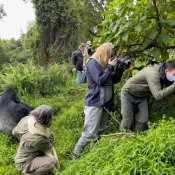
Permits are date- and sector-specific, meaning you must trek in the area assigned to your permit. On the day of the trek, you’ll join a small group led by experienced rangers who will brief you on safety and etiquette. Always maintain a 10-meter distance from the gorillas, avoid flash photography, and remain calm and quiet near the family group.
Driving Tips and Safety Advice for Bwindi’s Mountain Roads
Bwindi’s terrain is steep, winding, and sometimes slippery, especially after rain. Always use a reliable 4×4 vehicle with good ground clearance and engage low gear on hilly sections. Start your journey early in the morning to avoid driving after dark, as mountain roads can be challenging at night.
Fuel stations are limited, so top up in major towns such as Kabale, Kisoro, or Kihihi before entering the park region. Carry extra water, snacks, and some cash in Ugandan shillings, as mobile network coverage and ATMs are scarce in remote areas. Drive slowly through villages and always greet locals with a friendly wave — Ugandans are known for their warmth and hospitality.
Cultural Encounters and Nearby Attractions to Enrich Your Journey
Your self-drive safari to Bwindi isn’t only about gorillas — it’s also an opportunity to connect with Uganda’s people and culture. Consider visiting a Batwa community to learn about their forest traditions, music, and ancient hunting skills. The Batwa were the original inhabitants of Bwindi and now share their culture through guided visits that promote sustainable tourism.
After your trek, unwind at Lake Bunyonyi, known for its tranquil islands and canoeing experiences, or explore Lake Mutanda near Kisoro for breathtaking volcanic views. The Kigezi Highlands also offer scenic hikes and cultural encounters with local farmers. These additions make your journey even more memorable and immersive.
Why Self-Drive Gorilla Trekking Is Unforgettable
Self-drive gorilla trekking is the perfect blend of adventure, freedom, and discovery. It’s for those who believe that the journey is just as important as the destination. Every mile brings new scenery — from golden savannah to emerald forest — and every night around the campfire deepens your connection with Africa’s wild heart.
Standing face to face with a mountain gorilla is a once-in-a-lifetime moment, but driving yourself to that experience adds a whole new dimension. It’s a journey of self-reliance, awe, and profound respect for nature.
Drive, Camp, and Trek the Bwindi Way
For travelers seeking authentic adventure, self-drive gorilla trekking in Bwindi is the ultimate African experience. It combines the thrill of the open road with the magic of meeting mountain gorillas in their misty kingdom.
Prepare your vehicle, secure your permit, and take the road less traveled — one that leads through Uganda’s highlands into the heart of the impenetrable forest. Here, under a sky full of stars, you’ll find not just gorillas, but a deeper sense of freedom and connection to the wild.