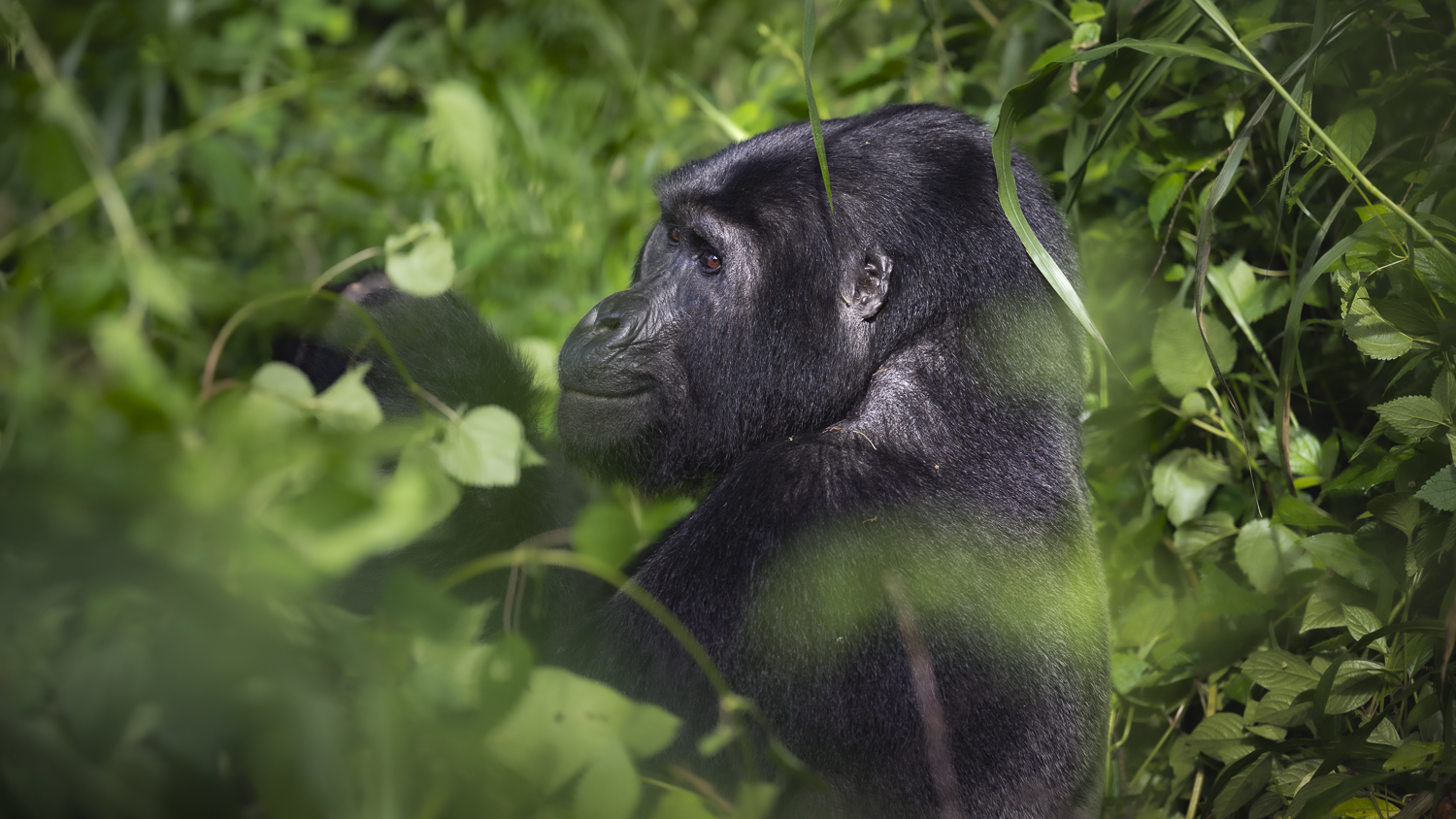
Uganda Gorilla Trekking Permits
Gorilla trekking in Uganda is one of Africa’s most extraordinary wildlife experiences. Every year, thousands of travelers visit Bwindi Impenetrable National Park and Mgahinga Gorilla National Park to encounter the endangered mountain gorillas in their natural habitat.
But before you can embark on this life-changing adventure, you must secure a Uganda Gorilla Trekking Permit—the official document that allows you to participate in the trek. Permits are limited, in high demand, and regulated by the Uganda Wildlife Authority (UWA), so understanding the booking process is essential.
This guide breaks down everything you need to know about how to get a gorilla trekking permit in Uganda—from prices and booking channels to payment methods and essential tips.
1. What Is a Gorilla Trekking Permit?
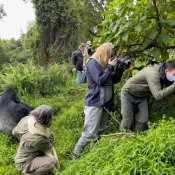
A gorilla trekking permit is an official document issued by the Uganda Wildlife Authority (UWA) that grants you the right to trek and spend one unforgettable hour with a habituated gorilla family in either Bwindi Impenetrable National Park or Mgahinga Gorilla National Park. This permit is the most important requirement for anyone planning a gorilla trek in Uganda.
To protect the endangered mountain gorillas and reduce human impact on their natural habitat, strict regulations are followed. Each habituated gorilla family can only be visited by a maximum of 8 trekkers per day, ensuring minimal disturbance and allowing the gorillas to maintain their natural behavior. This small group size also creates a more intimate and personalized wildlife experience.
Because of the limited number of daily slots and the high global demand for gorilla trekking, permits often sell out months in advance—especially during peak seasons (June–September and December–February). For this reason, early booking is highly recommended, ideally 3–6 months before your desired trekking date. Booking early also gives you a better chance of securing the trekking sector of your choice within Bwindi (Buhoma, Rushaga, Ruhija, or Nkuringo).
A gorilla permit is not just a ticket—it is a direct contribution to conservation, supporting ranger salaries, anti-poaching operations, community programs, and ongoing efforts to protect Uganda’s mountain gorillas for future generations.
2. Gorilla Permit Price in Uganda
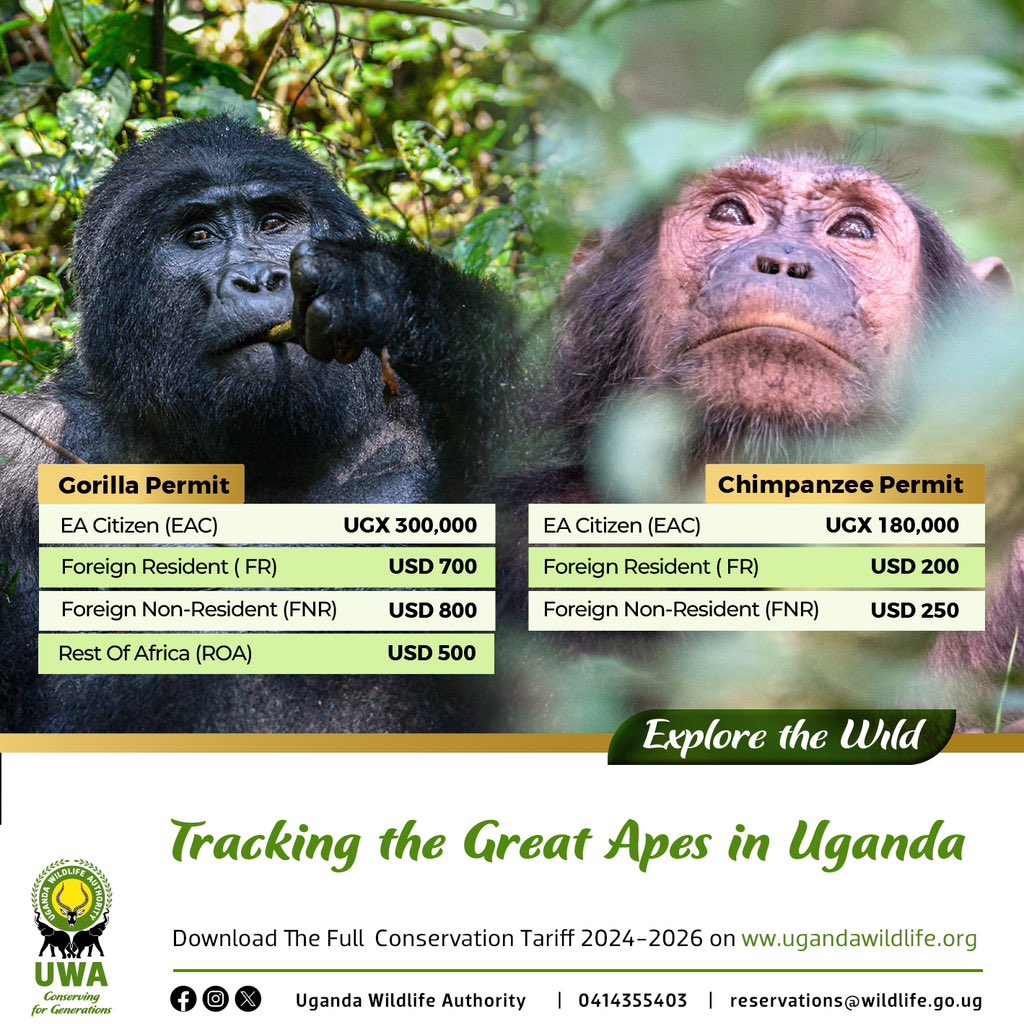 Uganda revised its gorilla permit prices in 2024, and these rates apply to both Bwindi Impenetrable National Park and Mgahinga Gorilla National Park. A gorilla permit is mandatory for anyone wishing to participate in a gorilla trek, and it grants you access to one fully guided trek and one unforgettable hour with a habituated gorilla family.
You can obtain a permit through two main channels:
A. Booking Directly with Uganda Wildlife Authority (UWA)
UWA is the official government body responsible for wildlife conservation. You can book directly through:
-
The UWA Reservations Office in Kampala
-
Email: reservations@wildlife.go.ug
-
Phone: +256 414 355000
Direct booking is reliable but may be slower, especially during peak seasons.
B. Booking Through a Licensed Tour Operator (Most Recommended)
Most travelers prefer securing their gorilla trekking permits through licensed and reputable tour operators—and for good reason. Working with a trusted company such as Marvel Gorilla Adventure, Uganda Gorilla Trekking Tours,or other accredited operators ensures a smooth, stress-free process from the very beginning. Tour operators have direct access to UWA’s permit database and can check availability in real time, even during peak tourism seasons when permits sell out quickly. Once you choose your preferred trekking date, the operator handles the entire reservation process, including follow-ups and confirmations.
Beyond permit acquisition, tour operators provide full logistical support for your safari. They can arrange transportation from cities like Kigali, Entebbe, or Kampala, secure accommodation near your trekking sector, and coordinate all ground services required for the trek. They also guide you on the best dates, packing essentials, fitness expectations, and any changes in permit regulations. For travelers who want a complete and well-organized safari package—from permits to hotels and the actual trek—booking through a reputable tour operator is the most efficient and convenient option.
4. Steps to Book a Gorilla Trekking Permit
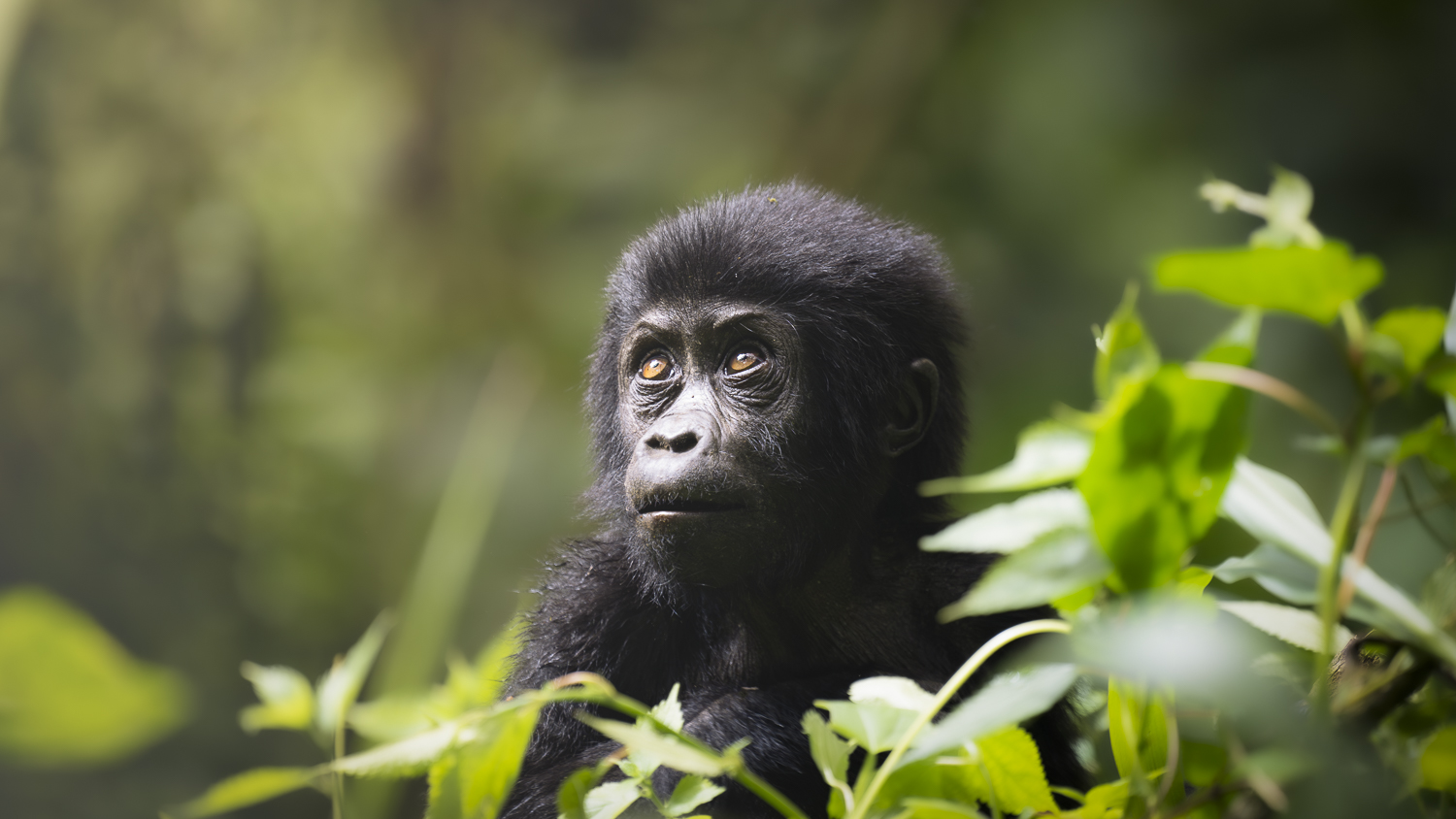 Step 1: Choose Your Travel Dates
When planning your gorilla trek, start by selecting your preferred travel dates—and always keep at least one alternative. Gorilla permits are extremely limited and sell out quickly, especially during Uganda’s peak tourism months (June, July, August, December, and January). Being flexible increases your chances of securing a permit and allows your operator or UWA to match you with the best available trekking sector.
Step 2: Select Your Park and Sector
Uganda offers two incredible destinations for gorilla trekking: Bwindi Impenetrable National Park and Mgahinga Gorilla National Park. Bwindi is the most popular, with four trekking sectors—Buhoma, Ruhija, Rushaga, and Nkuringo—each home to several habituated gorilla families. Mgahinga has one sector and one gorilla family, offering a more intimate trekking experience. Your permit is issued based on a specific sector, so always choose your accommodation after your sector is confirmed to avoid long, tiring morning transfers on trek day.
Step 3: Check Permit Availability
Permit availability must be confirmed before booking. Your tour operator, or UWA directly, will check the live availability system and secure a slot for your preferred date and sector. During peak months, availability becomes very tight, so early confirmation is essential to avoid disappointment. Tour operators are often faster because they access the booking system daily and can reserve before slots disappear.
Step 4: Make Payment
After confirming availability, the next step is payment. Uganda Wildlife Authority and tour operators require full payment before issuing or reserving your permit. Travelers can pay using a bank transfer, credit or debit card, mobile money (for East African citizens), or cash at the UWA office. Once payment is made, you will receive a receipt or acknowledgement as proof while your permit is being processed.
Step 5: Receive Permit Confirmation
Once your payment is cleared, UWA issues an official permit confirmation. This document includes your trekking date, the assigned sector, and a receipt number, which will be verified at the park headquarters on the morning of your trek. If you’re booking through a tour operator, they will keep the permit on your behalf and present it when processing your paperwork at the park. With your confirmation in hand, your gorilla trekking adventure is officially secured.
5. How Far in Advance Should You Book?
Peak Season (June–September & December–February): Book 3–6 Months in Advance
During Uganda’s peak travel months, gorilla trekking permits are in extremely high demand. These periods coincide with the dry seasons, when trekking conditions are best—trails are less muddy, visibility is good, and many tourists visit Uganda and Rwanda.
If you plan to trek during these months, booking your permit 3–6 months ahead is strongly advised. Popular sectors like Buhoma and Rushaga often sell out first because they have easier access, more gorilla families, and better lodge options. Last-minute permits are rare during these months.
Low Season (March–May & October–November): Book 1–3 Months in Advance
The low season corresponds with Uganda’s rainy months, which generally receive fewer tourists. During this time, you can often secure a permit with less competition, making it possible to book 1–3 months in advance.
However, even in the low season, gorilla permits—especially in convenient sectors—can still sell out, so early planning is recommended. The low season is ideal for budget travelers because some lodges offer discounts and trekking groups are less crowded.
Why Early Booking Matters
Uganda issues a limited number of gorilla permits per day, and each gorilla family is visited by only 8 people. This strict limit helps protect the gorillas but also means availability runs out quickly. Whether you’re trekking in Bwindi or Mgahinga, securing your permit early guarantees:
-
-
Your preferred trekking date
-
Your preferred sector
-
Better accommodation options
-
Easier logistics and planning
-
6. Can You Buy a Permit on Arrival?
Technically, yes — but booking a last-minute gorilla permit in Uganda comes with major risks.
While it is possible to secure a permit a few days before your trek, this option is extremely unreliable, especially during peak months (June–September and December–February). During these times, demand is very high and permits often sell out several months in advance—particularly in popular sectors like Buhoma, Rushaga, and Nkuringo.
Even in the low season, last-minute availability is not guaranteed since many tour operators reserve permits for pre-booked clients. You may also find that the only available permits are in sectors far from your chosen lodge, forcing you to change accommodation or rearrange your entire itinerary.
Relying on last-minute booking could also affect your transportation plans and park entry logistics, making the experience more stressful and less organized.
If you want a smooth, stress-free trip with confirmed dates, the safest option is to book your gorilla permit well in advance.
7. Changing or Cancelling a Permit
Uganda Wildlife Authority (UWA) regularly updates its policies, so trekkers should always verify the most current guidelines before making payment. However, the general rules for gorilla trekking permits remain consistent:
Date Changes:
UWA allows visitors to reschedule their trekking date, but this is strictly dependent on permit availability in the new sector and date you prefer. During peak season—June to September and December to February—changing dates can be difficult because most permits are fully booked months ahead.
Cancellation Rules:
Gorilla permits are largely non-refundable, especially when cancellations happen close to the trekking day. UWA may offer partial refunds only under specific circumstances and generally applies strict cancellation deadlines. For example, cancelling within a short period (typically 0–30 days) before the trek usually results in no refund at all.
Why Policies Matter:
Because gorilla permits are limited and in extremely high demand, UWA enforces these policies to reduce last-minute gaps that could disrupt conservation-based visitor quotas. Travelers should therefore read the terms carefully and ensure their dates are firm before confirming payment.
Confirm Before Booking:
Since rules can change depending on the season, conservation needs, or updated government policy, always double-check with UWA or your tour operator at the time of booking. Tour operators are often the most updated and can advise on the best way to manage changes without losing your permit.
8. Essential Tips to Secure a Gorilla Permit
Be flexible with your travel dates.
Gorilla permits are limited and sell out quickly, especially in the high season. Offering alternative travel dates increases your chances of securing a permit in your preferred sector.
Use a trusted and licensed tour operator if you’re unsure of the process.
Tour operators understand the booking system, sector allocations, and availability trends. They can secure permits faster, guide you through payments, and help you avoid costly mistakes—especially if it’s your first time trekking.
Confirm your sector before booking accommodation.
Bwindi has four sectors (Buhoma, Ruhija, Rushaga, Nkuringo), far apart from each other. Booking a hotel before knowing your trekking sector may force long, tiring drives on trek day.
Make payment immediately once a permit is confirmed as available.
Permits are not held without payment—availability can change within minutes during peak seasons. Paying promptly ensures your slot is officially secured.
Book your transport early, especially if starting your trip from Kigali.
Travelers trekking in Uganda often fly into Kigali for a shorter drive. Vehicles and drivers also get fully booked in high season, so arranging your transport early guarantees smooth connections and timely arrival at your trekking sector.
9. Why You Should Book Through a Tour Operator
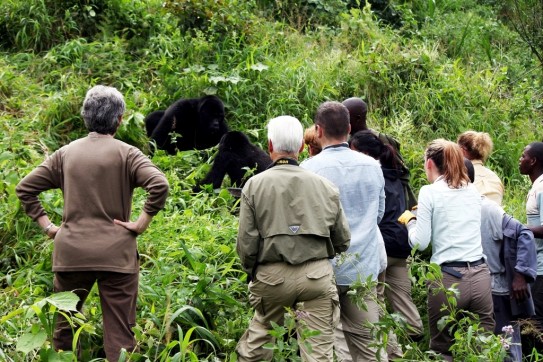 our operators offer a seamless, stress-free way to secure your gorilla trekking permit and plan your entire safari experience. Instead of juggling bookings, payments, and logistics across multiple service providers, your operator manages everything in a coordinated, professional manner.
A reliable tour operator handles:
● Permit Reservations
They check real-time availability, reserve your permit immediately, and ensure you get the correct trekking sector. This is especially important during high season when permits sell out quickly.
● Transportation to Bwindi or Mgahinga
Operators organize safe, comfortable transportation—from airport pickup to the gorilla park. Whether you start from Entebbe, Kampala, or Kigali, they arrange all transfers, fuel, and a knowledgeable safari driver-guide.
● Accommodation Management
They book lodges within or near your trekking sector, ensuring you don’t end up hours away on trekking day. They also match accommodation to your budget—luxury, midrange, or budget.
● Pickup and Drop-Off
Your operator coordinates your entire journey, from airport pick-up to drop-off after the trek. No need to figure out routes, border crossings, or driving long distances on unfamiliar roads.
● Packing Guidance and Preparation
You’ll receive a complete packing list, clothing advice, and tips on what’s essential for gorilla trekking—like hiking boots, gloves, long pants, and rain gear.
● On-Ground Support Before, During & After the Trek
If anything changes—weather, schedule, trekking sector—your operator steps in to fix it. They also assist with medical emergencies, lost items, or delays.
Why This Matters
Booking through a trusted tour operator ensures:
✔ No missed permits
✔ No confusion about sectors or trekking dates
✔ No long queues or back-and-forth with UWA
✔ Comfortable travel and accommodation
✔ Professional support throughout your safari
This allows you to focus on the experience—not the logistics—making your gorilla trekking adventure smooth, enjoyable, and worry-free.
Final Thoughts
Getting a gorilla trekking permit in Uganda is the first—and most important—step toward experiencing one of the world’s most profound wildlife encounters. While the process requires planning and early booking, it is straightforward if you follow the right steps.
Whether you go through UWA or a licensed tour operator, securing your permit early gives you peace of mind and guarantees your place in the forest with the mountain gorillas.