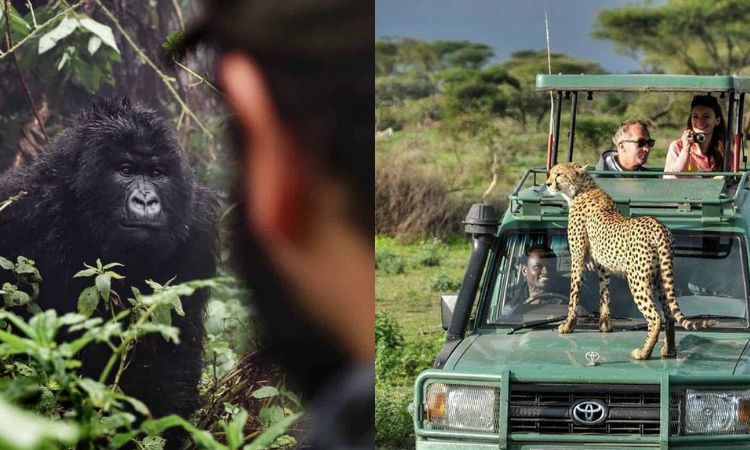
Gorilla Trekking & Safari Combination
Combining gorilla trekking with a classic wildlife safari is one of the most rewarding and immersive ways to experience East Africa. Few journeys in the world offer the chance to come face-to-face with endangered mountain gorillas one day, and then witness lions, elephants, zebras, and giraffes roaming freely across vast savannahs the next. This unique blend of rainforest adventure and big-game safari delivers both intimate primate encounters and the thrilling wildlife moments Africa is famous for.
A combined gorilla-and-safari experience also allows you to explore the diversity of East Africa’s landscapes—from the misty jungles of Bwindi and Mgahinga to the golden plains of Queen Elizabeth, Murchison Falls, Maasai Mara, or Akagera. Whether you have 5 days or two weeks, you can design an itinerary that balances trekking, game drives, cultural encounters, and scenic travel.
In this guide, you’ll learn how to seamlessly pair gorilla trekking with a safari, including the best destinations, ideal routes, how many days to plan for, travel logistics, and expert tips to help you create an unforgettable African adventure.
Why Combine Gorilla Trekking With a Safari?
Pairing gorilla trekking with a traditional wildlife safari creates one of the richest and most balanced travel experiences in East Africa. Each adventure offers something completely unique—yet together, they complement each other perfectly.
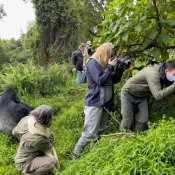
Gorilla trekking immerses you in dense, mist-covered tropical forests where you come face-to-face with endangered mountain gorillas. It is intimate, emotional, and deeply personal. Safaris, in contrast, take you into open savannahs and wide landscapes filled with dramatic wildlife encounters—lion hunts, elephant herds, giraffe towers, and endless plains.
When these two experiences are combined, travelers enjoy:
• Diverse ecosystems
You get to explore multiple landscapes in a single trip, from the lush jungles of Bwindi or Volcanoes National Park to the sweeping savannahs of Queen Elizabeth National Park, Masai Mara, or Serengeti.
• Unmatched wildlife variety
A combined itinerary gives you the chance to see:
-
Mountain gorillas
-
Golden monkeys
-
Lions, leopards & cheetahs
-
Elephants, buffaloes & hippos
-
Zebras, giraffes & antelopes
-
Hundreds of bird species
It’s the ultimate checklist for wildlife lovers, photographers, and adventure seekers.
• A complete East African experience
The trip blends primate encounters, big-game viewing, cultural visits, and breathtaking scenery—offering a full picture of what makes East Africa magical.
• Efficient and flexible travel
Uganda, Rwanda, Kenya, and Tanzania are well-connected by road and short flights. This makes it easy to build multi-country trips, such as:
-
Uganda gorilla trekking + Kenya safari
-
Rwanda gorilla trekking + Tanzania Serengeti safari
-
Uganda gorillas + Uganda savannah parks
Travelers can start in one country and end in another without backtracking.
Best Countries to Combine Gorilla Trekking and Safari
1. Uganda
Uganda is one of the best destinations in the world for travelers who want to combine gorilla trekking with traditional savannah safaris without the need for multiple flights or crossing borders. Everything can be done in one seamless itinerary, thanks to the country’s diverse landscapes and well-connected national parks.
Bwindi Impenetrable National Park – Gorilla Trekking
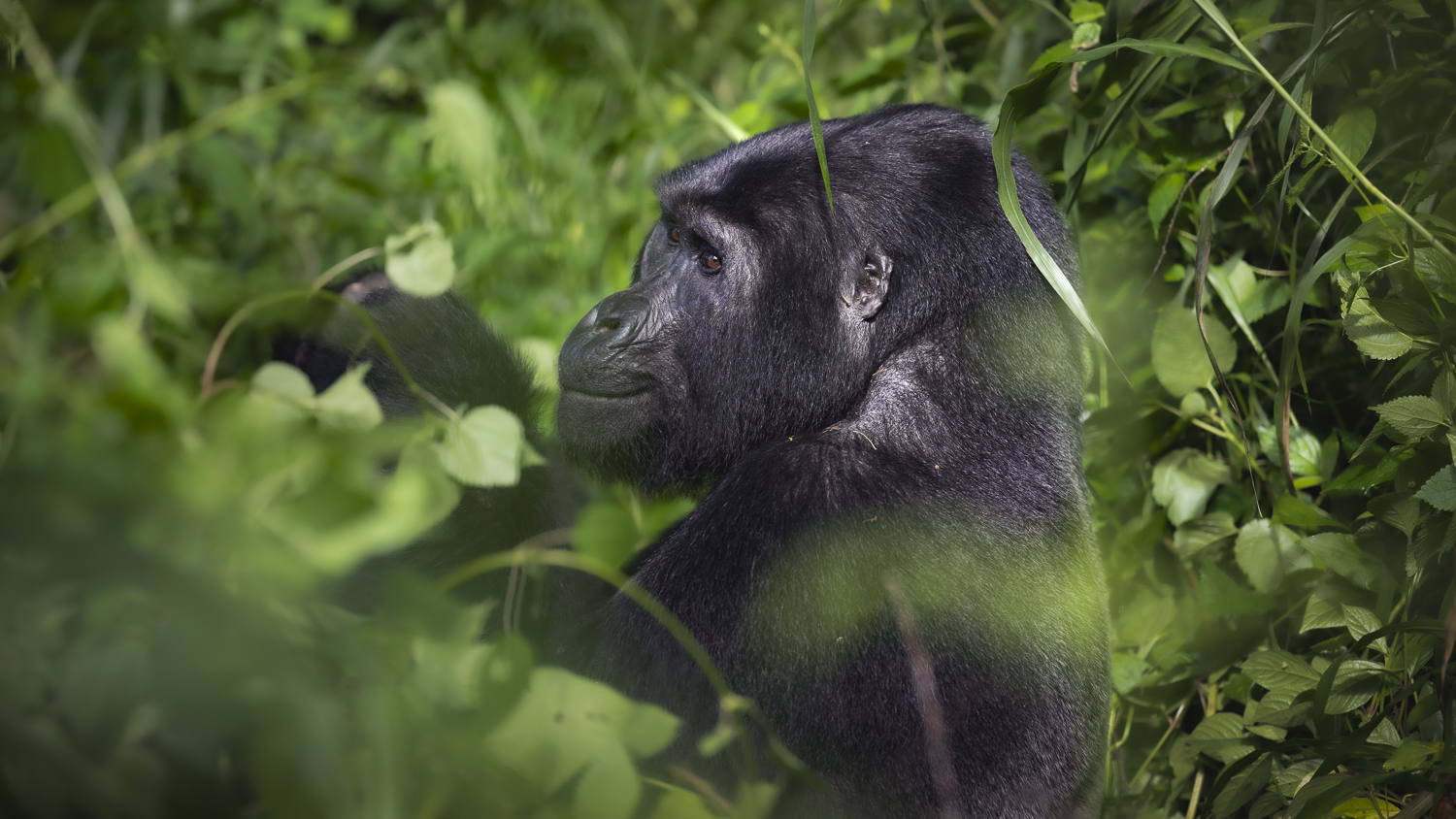 Bwindi is home to more than half of the world’s remaining mountain gorillas. Trekkers hike through dense rainforest, misty hillsides, and ancient vegetation in search of habituated gorilla families. The experience is emotional, intimate, and unforgettable. The park is accessible through four sectors—Buhoma, Ruhija, Rushaga, and Nkuringo—each offering unique scenery and accommodation choices.
Queen Elizabeth National Park – Tree-Climbing Lions & Boat Safaris
After trekking gorillas, many travelers head to Queen Elizabeth National Park, Uganda’s most popular savannah destination. It is famous for tree-climbing lions found in the Ishasha sector, vast herds of elephants, buffaloes, and hippos, and the iconic Kazinga Channel boat cruise—one of the best wildlife boat safaris in East Africa.
Murchison Falls National Park – Big Game & The Nile
Northern Uganda’s Murchison Falls National Park offers a classic safari experience with incredible wildlife densities, including lions, elephants, leopards, giraffes, and the rare shoebill stork. A boat trip to the base of the thunderous Murchison Falls—where the Nile squeezes through a narrow gorge—is a highlight. It’s a great addition to gorilla trekking for travelers seeking both primates and powerful landscapes.
Kibale Forest National Park – Chimpanzee Trekking
For a complete primate adventure, Kibale Forest provides the highest density of chimpanzees in East Africa. Chimp trekking or the full-day Chimpanzee Habituation Experience blends perfectly with gorilla trekking, giving travelers encounters with two great apes in one trip.
Lake Mburo National Park — Short, Relaxing Safari Stop
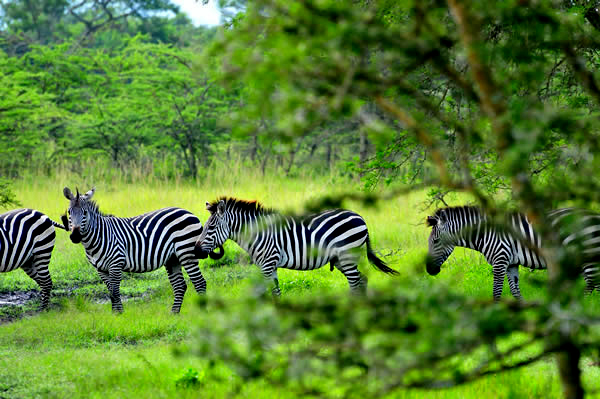
Lake Mburo is Uganda’s smallest savannah park, perfect for travelers who want a light safari experience without long drives. It is conveniently located between Kampala, Bwindi, and Queen Elizabeth, making it an excellent stopover. The park is home to zebras, impalas, elands, topi, hippos, and leopards. Activities include game drives, boat trips, guided nature walks, horseback safaris, and biking adventures. It adds a beautiful contrast to a gorilla trekking itinerary.
Uganda is ideal for travelers who want a full wildlife circuit in one country—gorillas, chimps, savannah safaris, waterfalls, culture, and adventure.
2. Rwanda
Rwanda is East Africa’s premier luxury gorilla trekking destination. With short driving distances, excellent roads, and high-end lodges, it is perfect for travelers who value comfort, convenience, and premium service.
Volcanoes National Park – Gorilla Trekking
Volcanoes National Park is Rwanda’s crown jewel. The lush volcanic slopes of the Virunga Mountains host several habituated gorilla families. Trekking here is well organized, scenic, and often paired with cultural visits such as the Iby’Iwacu community experience. Because Rwanda promotes high-end tourism, the experience is polished and intimate.
Akagera National Park – Rwanda’s Big Five Safari
Akagera offers a traditional savannah safari without leaving Rwanda. Home to lions, rhinos, elephants, buffaloes, and leopards, it is now a fully restored Big Five park. Game drives across rolling hills, open plains, and lakes make it a wonderful add-on after gorilla trekking.
Nyungwe Forest National Park – Chimps & Canopy Walk
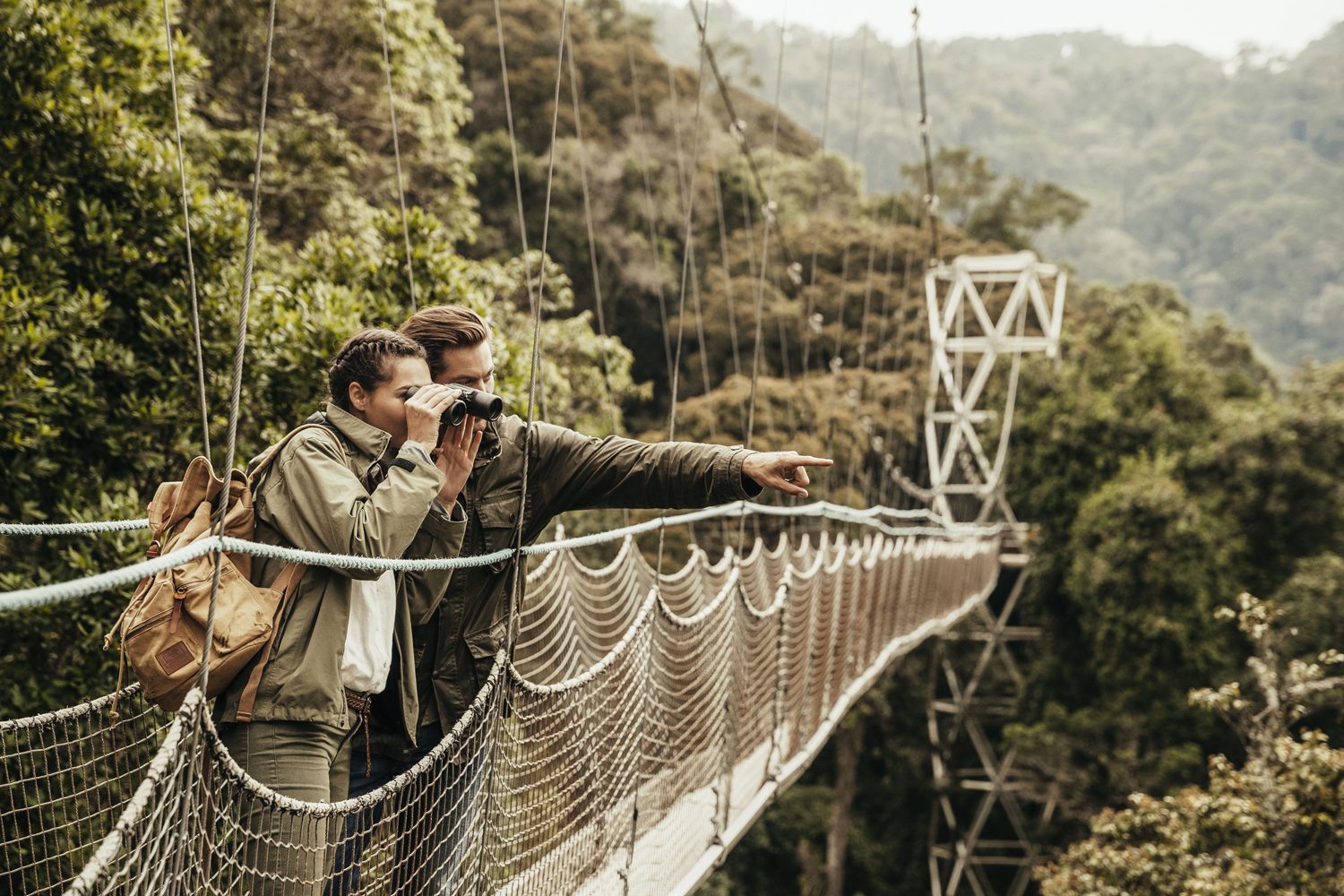 Travelers can also combine gorilla trekking with chimpanzee trekking or the famous canopy walk in Nyungwe Forest. This ancient rainforest is rich in primates, birds, and waterfall trails—perfect for nature lovers.
Rwanda is best for travelers seeking luxury, comfort, and short travel distances.
3. Uganda + Kenya
This combination is extremely popular, especially for travelers who want dramatic big-cat encounters after trekking gorillas. It blends Uganda’s rainforest primates with Kenya’s iconic savannah landscapes.
Masai Mara National Reserve – Big Cats & The Migration
The Masai Mara is one of Africa’s greatest wildlife destinations. After trekking gorillas in Bwindi, many travelers fly to Nairobi and continue to the Mara for sightings of lions, cheetahs, leopards, elephants, and—during July to October—the Great Wildebeest Migration. It’s the ultimate big-cat safari.
Amboseli National Park – Elephants & Kilimanjaro Views
Amboseli offers close-up encounters with massive elephant herds, with Africa’s highest mountain, Kilimanjaro, forming a breathtaking backdrop. It is a photographer’s dream and an excellent complement to gorilla trekking for travelers who love scenic landscapes.
Lake Nakuru National Park – Rhinos & Birdlife
Famous for its large rhino population (both black and white), Lake Nakuru is a perfect mid-point between Nairobi and the Mara. Flamingos, giraffes, lions, and leopards are commonly seen, making it a strong addition to a gorilla + safari itinerary.
Uganda + Kenya is perfect for travelers who want primates + predators + the Migration.
4. Rwanda + Tanzania
This is a top-tier combination ideal for honeymooners, luxury travelers, and those seeking the absolute best wildlife encounters in East Africa.
Volcanoes National Park – Gorilla Trekking
Travelers begin their journey in Rwanda with a premium gorilla trekking experience. Volcanoes NP provides seamless logistics, breathtaking views, and upscale lodges—perfect for a luxury start.
Serengeti National Park – Endless Plains & Migration
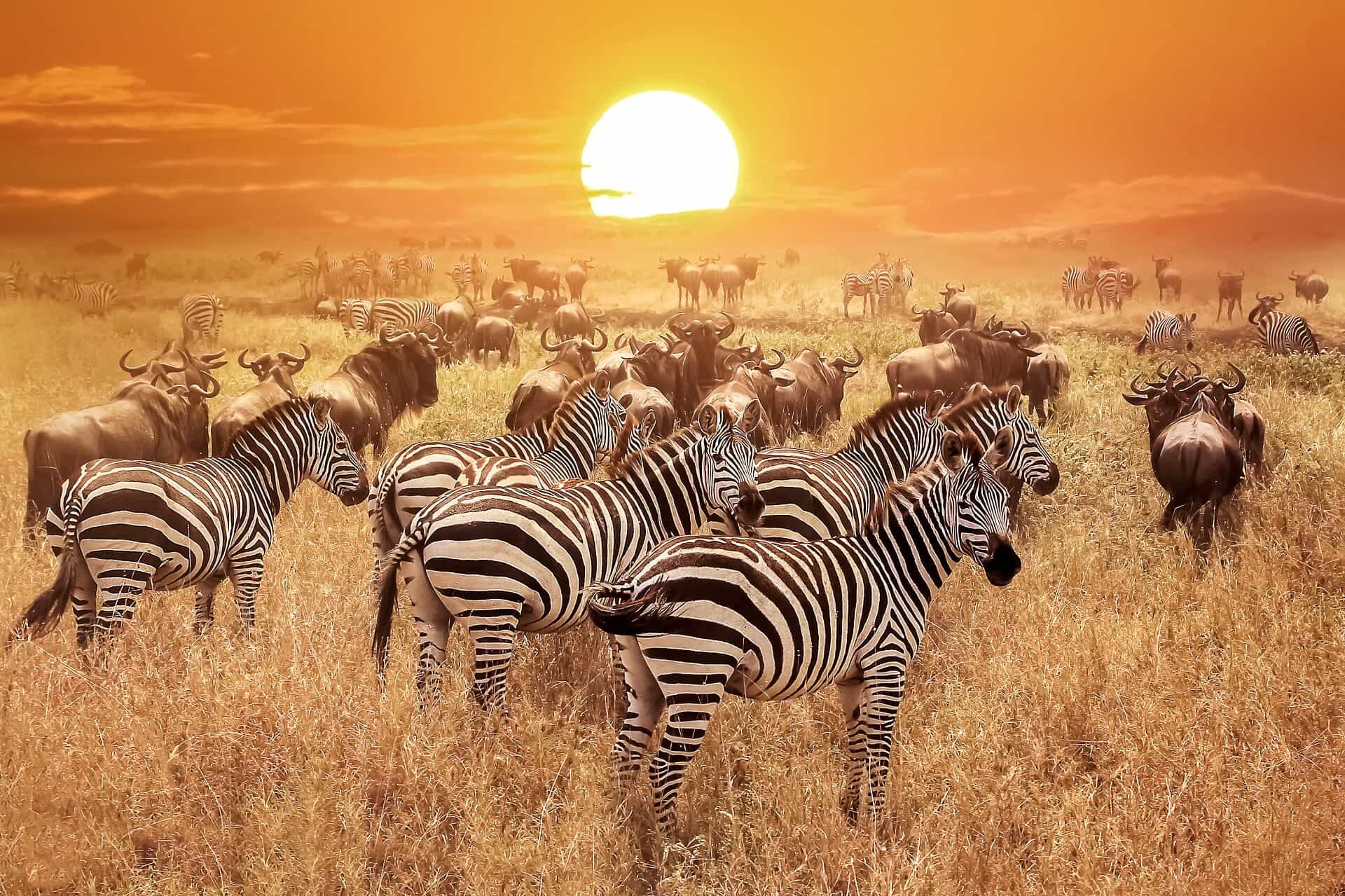 From Kigali, travelers can fly directly to the Serengeti (depending on the season). The Serengeti’s endless plains host the world-famous Great Migration, massive lion prides, cheetahs, leopards, elephants, and thousands of zebras and wildebeest. It’s one of Africa’s most impressive wildlife theaters.
Ngorongoro Crater – The Garden of Eden
Ngorongoro is a UNESCO World Heritage Site and a natural wonder. Its enclosed ecosystem supports lions, rhinos, elephants, and a dense variety of wildlife—usually viewed in a single game drive.
Tarangire & Lake Manyara – Elephants, Baobabs & Rift Valley Scenery
Tarangire offers huge elephant herds and ancient baobab trees, while Lake Manyara is famous for tree-climbing lions and flamingos. Both parks offer a relaxing transition between the crater and Serengeti.
Rwanda + Tanzania is best for luxury travelers who want gorillas, the Migration, and world-class safari parks.
How to Plan a Combined Gorilla Trek & Safari Trip
Planning a trip that blends gorilla trekking with a wildlife safari requires good timing, permit preparation, and choosing the right parks. Here is a detailed guide to help you organize a smooth and unforgettable adventure.
1. Start With Your Gorilla Trekking Permit
Your permit should be the first thing you book because trekking slots are limited and sell out fast—especially in peak months (June–September and December–February).
Permit Prices:
-
Uganda: USD 800
-
Rwanda: USD 1500
Since each gorilla family receives only 8 visitors per day, securing your permit ensures your travel dates are locked in. If you’re traveling during high season, booking 3–6 months in advance is strongly recommended.
2. Choose Your Trekking Destination
Your trekking location will influence everything else—flights, accommodation, transportation, and safari itinerary.
Bwindi Impenetrable National Park (Uganda)
A UNESCO World Heritage jungle known for its thick rainforest, steep terrain, and high gorilla population. Perfect for adventurous travelers seeking a raw, immersive experience.
Volcanoes National Park (Rwanda)
The most accessible gorilla trekking park, just 2–3 hours from Kigali. Ideal for luxury travelers, shorter itineraries, and those seeking a less strenuous trek.
Mgahinga Gorilla National Park (Uganda)
A scenic volcanic landscape shared with Rwanda and Congo. Best for those who want fewer crowds and unique views of the Virunga volcanoes.
Choosing your destination early helps you understand flight options (Entebbe, Kigali, Kihihi, Kisoro) and plan your safari route efficiently.
3. Select the Safari Park(s)
After setting your trekking dates and destination, choose the safari parks that match your wildlife interests. Each East African country offers a different signature experience.
For Big Cats (Lions, Leopards, Cheetahs):
-
Masai Mara (Kenya) – The best place to witness big cats year-round and the wildebeest migration.
-
Serengeti (Tanzania) – Iconic plains with high predator density.
For the Big Five in One Place:
-
Akagera National Park (Rwanda) – Compact and easy to explore.
-
Murchison Falls National Park (Uganda) – The largest park in Uganda with lions, elephants, buffaloes, and rhinos nearby in Ziwa.
-
Queen Elizabeth National Park (Uganda) – Famous for tree-climbing lions and a stunning boat cruise on the Kazinga Channel.
For Elephant Lovers:
-
Amboseli National Park (Kenya) – Africa’s most photogenic elephants with Mount Kilimanjaro in the background.
-
Murchison Falls (Uganda) – Several herds along the riverbanks and savannah plains.
For Rhino Tracking:
-
Ziwa Rhino Sanctuary (Uganda) – The only place in Uganda to see white rhinos.
-
Lake Nakuru National Park (Kenya) – Known for rhinos and birdlife.
When picking safari parks, consider:
-
How many days you have
-
Whether you’re starting in Kigali, Entebbe, or Nairobi
-
Whether you prefer wildlife density or scenic landscapes
-
Your interest in luxury vs. budget-friendly options
4. Book Flights That Match Your Itinerary
Booking flights strategically is essential for a seamless combined gorilla trekking and safari adventure. Your flight route should match your trekking location and safari destinations.
Common and convenient flight routes include:
-
Entebbe → Kihihi or Kisoro (for Bwindi)
Ideal if your trek is in Uganda. These domestic flights save 8–10 hours of road travel and align perfectly with gorilla trekking in Bwindi or Mgahinga. -
Bwindi → Queen Elizabeth / Murchison Falls
While not direct flights, you can arrange transfers or small charter hops to connect Uganda’s top safari parks after your trek. -
Kigali → Entebbe → Masai Mara
This route works well for travelers trekking in Rwanda and then continuing their safari in Kenya. Entebbe acts as a regional hub for flights into Maasai Mara. -
Kigali → Serengeti
Best for luxury travelers combining Rwanda gorilla trekking with Tanzania’s legendary wildlife experiences. Most flights connect through Kilimanjaro or Dar es Salaam.
When choosing flights, ensure the schedule aligns with:
-
Your trekking date
-
Your safari start date
-
Transfer times between airports and lodges
Booking early guarantees better prices and availability, especially during peak tourism months.
Use a Tour Operator
Working with a professional tour operator is highly recommended when planning a combined gorilla trekking and safari itinerary. This is because these trips involve complex logistics, strict permit requirements, and multiple destinations across borders.
A reputable tour operator will:
Secure Gorilla Permits
Permit availability changes daily. Operators can check availability instantly, reserve spots quickly, and handle payments directly with Uganda Wildlife Authority or Rwanda Development Board.
Coordinate Safari Lodges
They recommend the best camps and lodges based on your budget, safari interests, and distance from trekking sectors or wildlife areas.
Arrange Ground Transportation
A trek-and-safari trip requires reliable 4×4 vehicles, experienced drivers, and timely transfers. Operators ensure:
-
Airport pickups
-
Lodge-to-park transfers
-
Border crossings
-
Domestic flight connections
Handle Cross-Border Arrangements
For multi-country trips (Uganda + Kenya, Rwanda + Tanzania, etc.), an operator manages:
-
Visas
-
Logistics between parks
-
Vehicle changes
-
COVID/health requirements (if any)
Book Domestic Flights
Many routes—like Entebbe to Kihihi/Kisoro or Kigali to Serengeti—require early planning. A tour operator handles flight schedules and synchronizes them with your trekking and safari dates.
Provide Expert Advice & Support
From packing lists to lodge recommendations, operators make your journey smooth and enjoyable. You will also have 24/7 support on the ground during your travel.
Sample Gorilla Trekking + Safari Itineraries
6 Days Rwanda Wildlife & Gorilla Trekking Safari
3Days Rwanda Gorilla and Golden Monkey Tracking
13 Days Uganda Tour & Rwanda Safari
4 Days Mgahinga Primates Safari
5 Days Gorilla Tracking & Queen Elizabeth National Park
5 Days Rwanda Gorilla and Akagera Wildlife Safari
Gorilla-Safari- Beach: 15 Days of Uganda, Tanzania & Zanzibar
28 Days Uganda Gorillas, Wildlife and Cultural Safari
Best Time to Combine Gorilla Trekking & Safari
The ideal time to combine gorilla trekking with a safari is during the dry seasons, when weather and wildlife conditions are at their best. These periods offer the most reliable trekking trails and exceptional game-viewing opportunities.
Best Months
-
June – September
-
December – February
These months have less rainfall, making forest trails drier, firmer, and easier to navigate. Visibility in the jungle is better, and wildlife on the savannah tends to gather around remaining water sources—perfect for photography and game drives.
Why Dry Season Is Best
-
Easier trekking: Less mud, stable ground, and clearer pathways in Bwindi or Volcanoes National Park.
-
Better wildlife viewing: Animals are more concentrated, vegetation is thinner, and predators are more active.
-
Comfortable travel: Road transfers, domestic flights, and border crossings run more smoothly.
Low Season Benefits (March–May & October–November)
While trekking can be more slippery during rainy months, the low season also offers:
-
Discounted lodge rates
-
Fewer tourists on the trails
-
Greener landscapes and excellent photography conditions
-
Higher birdwatching activity
It’s a great option for budget travelers or photographers who don’t mind occasional rain.
Essential Tips for Planning
A combined gorilla trek and safari involves unique logistics. These expert tips will help ensure a smooth and memorable adventure:
1. Book Gorilla Permits Early
Permits—especially in peak months—sell out quickly.
-
Book 3–6 months in advance for June to September.
-
Secure your permit before booking accommodation, because your trekking sector determines where you stay.
2. Match Your Trekking Sector to Your Lodge
Bwindi has four sectors (Buhoma, Ruhija, Rushaga, Nkuringo), and each requires staying nearby. Staying in the wrong area leads to long, exhausting drives.
3. Factor in Travel Time Between Destinations
East Africa’s parks are far apart.
Examples:
-
Bwindi → Queen Elizabeth NP: 3–5 hours
-
Bwindi → Kigali: 4–5 hours
-
Entebbe → Murchison Falls: 5–6 hours
Build realistic timelines to avoid fatigue.
4. Pack for Two Environments
A combined itinerary means preparing for:
-
Rainforest trekking → boots, gaiters, gloves, layers
-
Savannah safaris → light clothing, sun hat, neutral colors
Pack smart to handle both terrains comfortably.
5. Hire a Porter During the Trek
Porters carry your backpack, help with slippery sections, and provide crucial support.
This also supports local communities who depend on tourism income.
6. Always Have Travel Insurance
Insurance should cover:
-
Trekking activities
-
Evacuation in case of emergencies
-
Lost luggage
Gorilla trekking takes place in remote forests—insurance is essential.
Final Thoughts
Combining gorilla trekking with a safari is the ultimate East African journey—an experience that blends deep jungle encounters with the breathtaking wildlife drama of the savannah. Whether you trek in Uganda or Rwanda and pair it with safaris in Kenya, Tanzania, or within the same country, this combination delivers unmatched adventure, beauty, and cultural richness.