How long does gorilla trekking take?
How long does gorilla trekking take?
How Long Does Gorilla Trekking Take?
A Complete Guide to Timing, Duration, and What to Expect on Your Trek
Gorilla trekking is one of the most unforgettable wildlife experiences in Africa — the chance to stand face-to-face with endangered mountain gorillas in their natural forest homes. But one of the most common questions travelers ask is: “How long does gorilla trekking take?”
The answer depends on several factors, including location, terrain, weather, and the movement of the gorillas themselves. In this guide, we break down the typical timing of a gorilla trek from start to finish so you know exactly what to expect.
The Average Duration of a Gorilla Trek
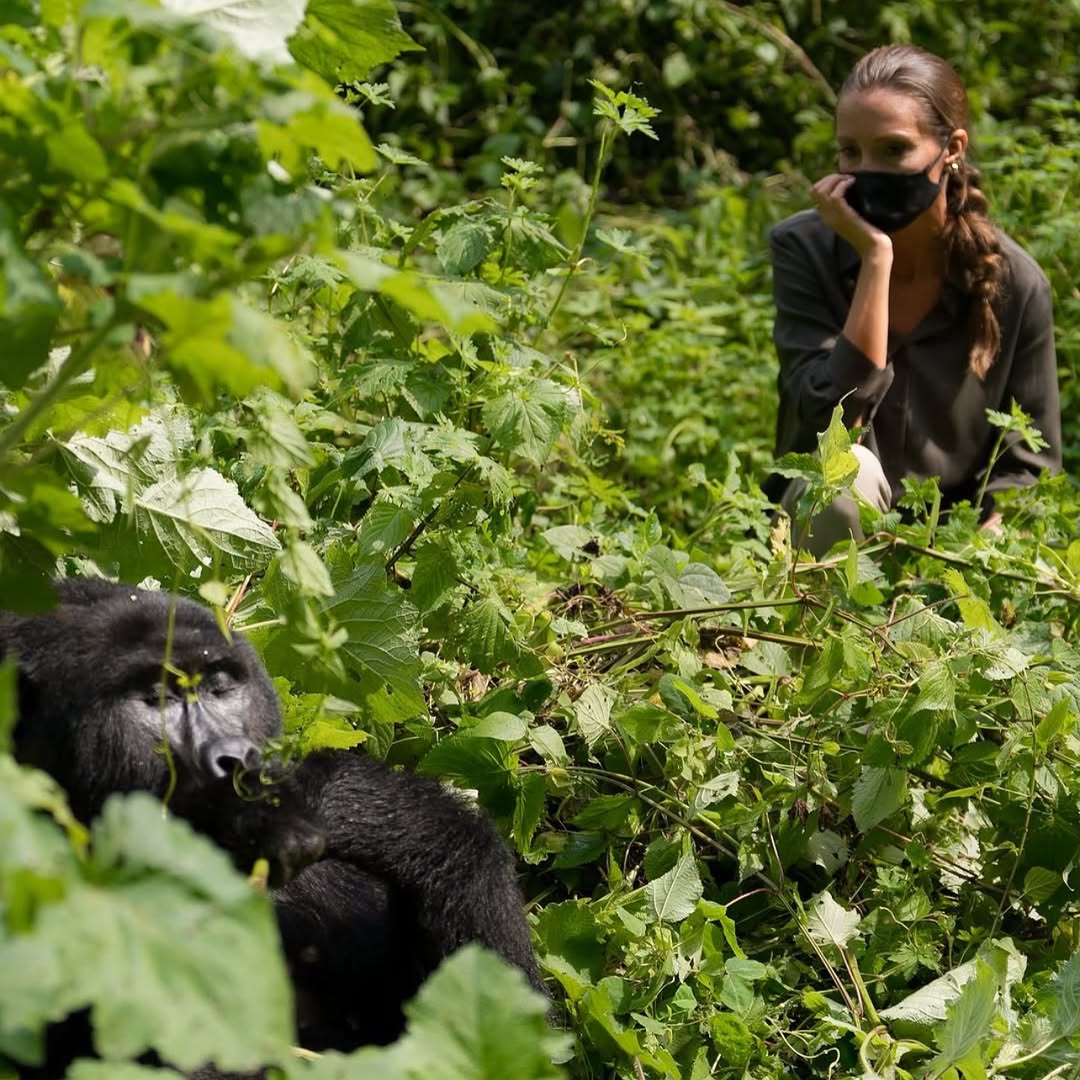 A complete gorilla trekking experience typically lasts between 2 to 8 hours, but no two treks are ever the same. The duration depends on several factors — from how far the gorilla families have moved overnight to the terrain, weather, and the overall pace of your group. The journey includes a briefing session, the hike through the forest, one magical hour spent with the gorillas, and the return trek to the park headquarters.
Short Treks (1–2 Hours)
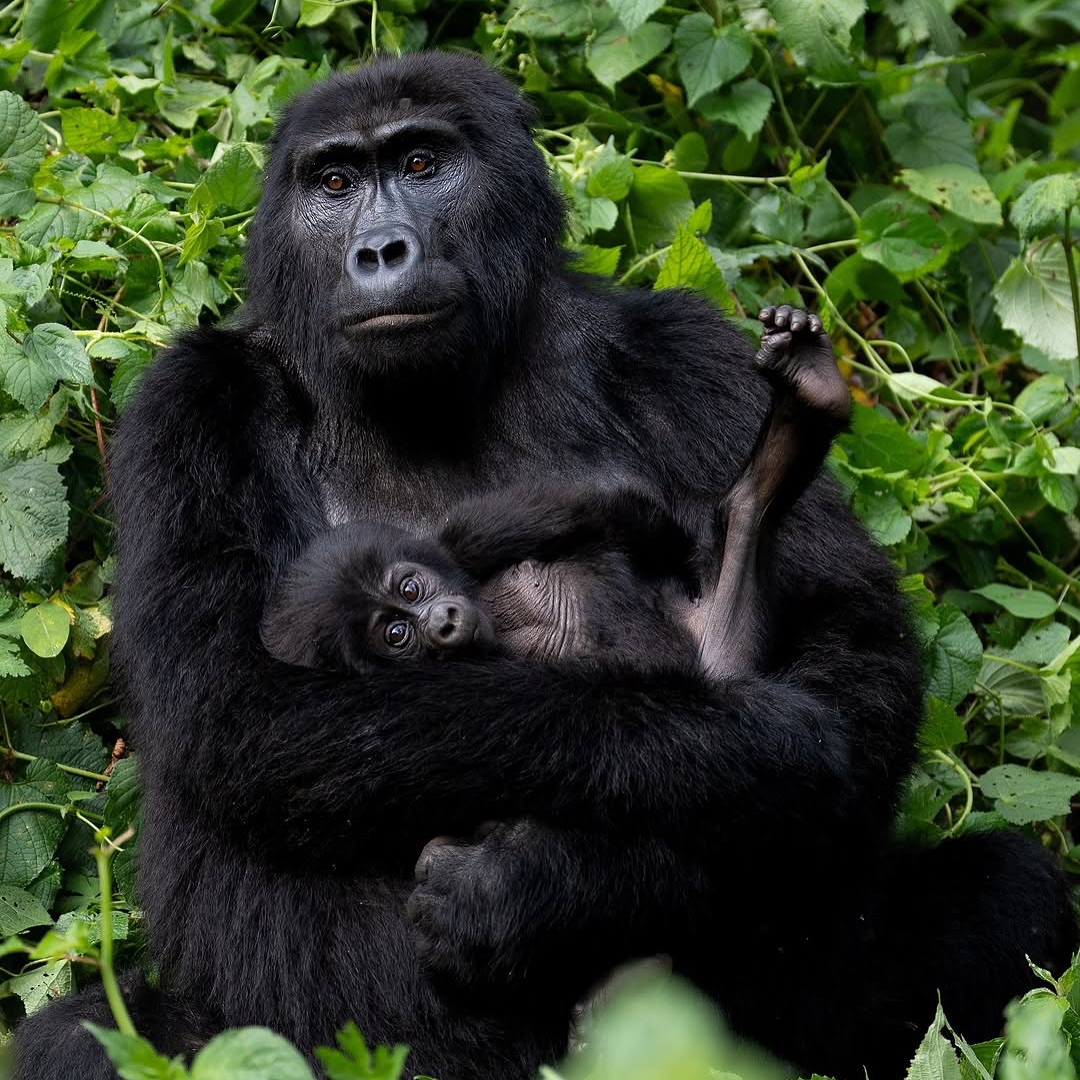
Some gorilla families tend to stay closer to the trailheads or in more accessible forest areas, making for a relatively short and gentle trek. These shorter hikes are perfect for visitors who prefer a less strenuous experience — perhaps due to age, fitness level, or time constraints. While the duration is shorter, the thrill is just as profound: within a couple of hours, you might find yourself standing in a peaceful forest clearing, just meters away from a silverback resting under a canopy of vines.
Moderate Treks (3–5 Hours)
Most gorilla trekking experiences fall within this range, offering a well-balanced combination of hiking, forest immersion, and wildlife encounters. You’ll navigate through thick vegetation, cross streams, and climb gentle slopes as you follow your rangers deeper into the rainforest. Along the way, you may spot other wildlife such as forest duikers, colorful butterflies, and a variety of bird species. Once the gorillas are located, trekkers enjoy one full hour in their presence — observing their interactions, feeding habits, and family dynamics while capturing photographs (without flash).
Long Treks (6–8+ Hours)
In some cases, the gorilla families move far from the usual ranges — higher up the mountains or deeper into the forest’s heart. These treks can be more physically demanding, often involving steep ascents, thick undergrowth, and unpredictable terrain. While the journey may be long, it is incredibly rewarding for adventurers who enjoy a full day of exploration and immersion in untouched wilderness. Reaching a gorilla family after such an effort often feels like a true achievement — a moment of triumph mixed with awe and gratitude.
The Role of Trackers and Rangers
Before each trek begins, advance trackers venture into the forest early in the morning to locate the gorilla families based on their previous night’s nesting sites. They communicate with your guides via radio, giving you an estimated direction and distance before your group sets out. However, since gorillas are constantly on the move in search of food, the exact timing can’t be predicted — which is what makes each trek feel like a genuine wilderness adventure.
Ultimately, the varying duration of gorilla trekking is part of its magic. Whether your trek lasts two hours or an entire day, every step brings new sights, sounds, and sensations — from the scent of the misty forest floor to the distant drumming of a silverback’s chest echoing through the trees.
A Typical Gorilla Trekking Day
1. Early Morning Briefing (7:00 AM – 8:30 AM)
Your day starts early at the park headquarters in Bwindi Impenetrable National Park (Uganda) or Volcanoes National Park (Rwanda). Rangers and trackers gather to brief trekkers about the gorilla families, safety rules, and trekking etiquette. You’ll also be divided into groups of a maximum of eight people per gorilla family.
During the briefing, you can request an easier or more challenging trek depending on your fitness level — rangers try to match groups to suitable trails.
2. Trekking Through the Forest (8:30 AM – 12:30 PM or longer)
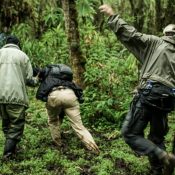
Once you set off, the hike takes you through dense rainforest terrain, sometimes over steep slopes and muddy paths. The vegetation can be thick, and trails may become slippery after rain.
Rangers and armed guides lead the way, followed by porters who can assist with carrying backpacks and helping you navigate difficult areas. The pace is steady, with regular stops for water breaks and to listen for gorilla movements communicated by advance trackers using radios.
The trek to locate the gorillas can take anywhere from 30 minutes to 4 hours depending on how far they have moved since the previous evening.
3. One Magical Hour with the Gorillas 🦍 (Once Found)
When your group finally locates the gorilla family, you’ll be asked to leave your bags behind and carry only your camera and essentials. You’ll then spend one unforgettable hour observing these gentle giants as they feed, groom, and interact.
During this time, you must keep a distance of at least 7 meters (23 feet), speak softly, and avoid sudden movements. The experience is intimate and humbling — watching a silverback care for his family or juveniles play in the vines is an emotional highlight for every traveler.
4. Return to the Trailhead (1–3 hours)
After your hour is up, you begin the trek back to the starting point. Depending on your location and energy levels, this can take 1 to 3 hours. By early afternoon, most trekkers are back at the park offices to receive their gorilla trekking certificates — a proud souvenir of the adventure.
Factors That Affect Gorilla Trek Duration
Several factors influence how long a gorilla trek takes, making each experience unique. Understanding these variables can help you plan and manage expectations for your adventure.
1. Gorilla Movement
Mountain gorillas are constantly on the move as they search for food, primarily leaves, stems, and fruits. Some families remain near the lower forest edges, making them easier to locate, while others may wander deep into steep valleys or high-altitude slopes. Rangers use daily tracking data to estimate the gorillas’ locations, but unexpected movements can significantly affect the trek’s length. It’s not uncommon for a trek to be shorter or longer than anticipated depending on the family’s activity that day.
2. Terrain and Altitude
Both Bwindi Impenetrable National Park in Uganda and Volcanoes National Park in Rwanda are mountainous and covered with dense rainforest. Elevations range from 1,200 to over 2,600 meters (3,900–8,500 feet) above sea level. Trails can include steep inclines, uneven paths, thick undergrowth, and slippery river crossings. Steeper or more rugged trails naturally take longer to navigate, especially if the group needs to move carefully to avoid damaging plants or disturbing wildlife.
3. Weather Conditions
Weather plays a critical role in trek duration. During the rainy seasons (March–May and October–November), trails become muddy, slippery, and more challenging to traverse. This slows down the group considerably, especially on steep slopes. In contrast, during the dry seasons (June–September and December–February), the trails are firmer, making hiking faster and less strenuous. Mist and fog in the early morning can also reduce visibility, requiring guides to proceed cautiously.
4. Fitness Level of Trekkers
While gorilla trekking is generally accessible to individuals with moderate fitness, the pace of the trek is influenced by the group’s physical condition. Physically fit trekkers may move faster, but guides always set a pace that accommodates everyone in the group. Those with less experience or stamina may find certain sections of the trail more tiring, extending the overall duration. Proper preparation, such as wearing supportive hiking boots, carrying walking sticks, and staying hydrated, can make a significant difference.
5. Assigned Gorilla Group
During the morning briefing, rangers assign trekking groups based on difficulty and proximity to the trailhead. If you request a shorter, easier trek, you might be assigned a gorilla family that stays closer to the park headquarters. Conversely, families located deeper in the forest or on higher slopes may require longer, more challenging hikes. The choice of group directly affects the time spent on the trek, from the hike in to the eventual encounter with the gorillas.
By considering these factors — gorilla movement, terrain, weather, fitness, and assigned group — trekkers can better anticipate the duration and prepare for the adventure ahead. Every trek is different, and the unpredictability is part of what makes meeting these magnificent animals so rewarding.
Gorilla Trekking vs. Gorilla Habituation: Time Difference
If you opt for the Gorilla Habituation Experience (available only in Uganda’s Bwindi Impenetrable National Park), expect a full-day adventure.
-
The trek duration is similar to standard trekking, but you’ll spend up to 4 hours with the gorillas instead of just one.
-
This experience is designed for travelers who want to learn more about gorilla behavior, research, and conservation efforts.
Tips for Managing Trek Duration
-
Hire a porter: They’ll help carry your gear and offer support on steep or slippery sections.
-
Wear proper hiking boots: Sturdy, waterproof boots are essential for comfort and grip.
-
Bring enough water and snacks: Staying hydrated keeps your energy up during long hikes.
-
Dress in layers: Forest temperatures can vary from humid to cool, depending on altitude and shade.
-
Be patient: The trek’s unpredictability is part of what makes it special — the reward is worth every step.
Final Thoughts
So, how long does gorilla trekking take? It’s not just a matter of hours — it’s a journey that tests your endurance, immerses you in Africa’s ancient rainforests, and rewards you with one of nature’s most awe-inspiring encounters. Whether your trek lasts two hours or eight, the moment you stand before a wild mountain gorilla will stay with you for a lifetime.
Every step, every breath, and every heartbeat in those misty forests brings you closer to understanding why gorilla trekking is often called “the most emotional wildlife experience on Earth.

Recent Posts
How long can I spend with the gorillas?
Am I guaranteed to see them?
Tags