 How difficult is gorilla trekking? Everything You Need to Know Before You Go
Gorilla trekking truly stands out as one of the most thrilling and emotional wildlife experiences in the world — a rare adventure that combines raw physical challenge with the magic of connecting deeply to nature. While it might sound daunting, understanding what the trek involves helps travelers prepare mentally and physically, making the experience more enjoyable and fulfilling.
Picture yourself stepping into the heart of a tropical rainforest — the air thick with mist, the ground damp beneath your boots, and the calls of distant birds echoing through the trees. You follow narrow paths carved by trackers earlier that morning, winding through towering ferns and tangled vines. Sometimes you’ll slip on muddy trails or grab onto roots for balance, but the excitement of knowing that gorillas are near pushes you forward.
Every trek is different. Some days the gorillas are close to the trailhead, while other times they’ve moved deeper into the forest, requiring several hours of hiking through steep, slippery terrain. The unpredictable nature of the trek is part of what makes it so exhilarating — no two experiences are ever the same.
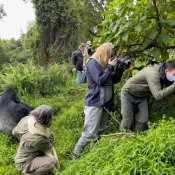
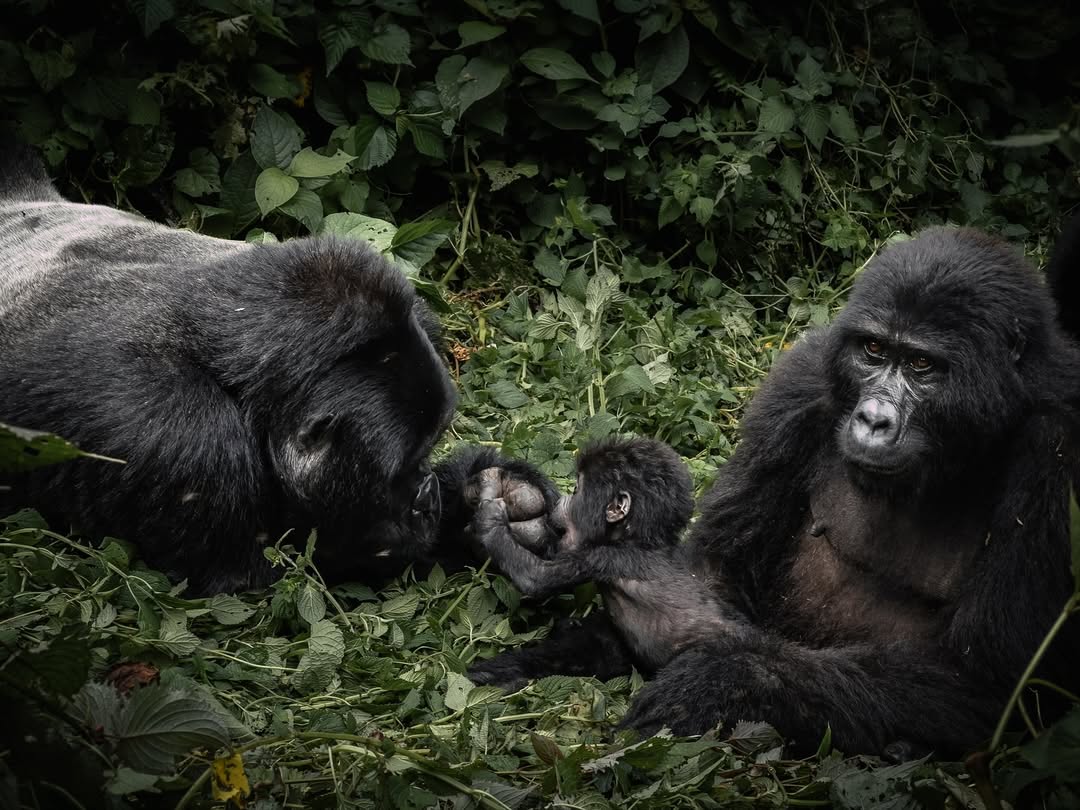
When you finally reach them — a gorilla family resting, feeding, or grooming each other — time seems to stop. The forest falls silent except for the sound of soft grunts and rustling leaves. The dominant silverback might glance at you, his calm, intelligent eyes meeting yours for just a second — and in that brief moment, you feel an indescribable connection to something ancient, powerful, and profoundly human.
It’s this emotional depth that makes gorilla trekking so special. The effort, the sweat, the mud — they all fade away as you realize you’ve stepped into a sacred space few people ever get to experience.
But to reach this once-in-a-lifetime encounter, preparation is key. The trek demands a decent level of fitness, comfortable hiking gear, and a willingness to embrace unpredictable weather and terrain. Whether you’re trekking in Uganda’s dense Bwindi Impenetrable Forest, Rwanda’s scenic Volcanoes National Park, or the wild landscapes of Congo’s Virunga Mountains, each destination offers its own mix of challenge and reward.
In the following sections, we’ll break down what really determines the difficulty of gorilla trekking — from trail conditions and altitude to weather, fitness levels, and tips on how to make your trek smoother and more enjoyable. Understanding these factors helps ensure that when the moment comes to stand before a mountain gorilla family, you’re ready — both in body and spirit — for one of the most transformative experiences Africa has to offer.
How difficult is gorilla trekking?
1. Understanding the Terrain and Trek Conditions
The difficulty of gorilla trekking largely depends on where the gorilla family is located on the day of your visit. Mountain gorillas inhabit high-altitude tropical rainforests, typically between 2,200 and 3,000 meters (7,200–9,800 feet) above sea level. This means you’ll be trekking in steep, misty, and often slippery conditions — far from flat, manicured trails.
The forests, whether in Uganda’s Bwindi Impenetrable National Park, Rwanda’s Volcanoes National Park, or DRC’s Virunga National Park, are dense, humid ecosystems with a mix of bamboo, moss-covered trees, and tangled vines. Paths are often narrow and rugged, carved through thick vegetation by rangers and trackers who set out early each morning to locate the gorillas before your group begins the hike.
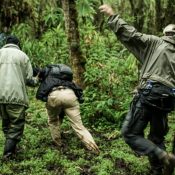
As you trek, you can expect a variety of natural obstacles — fallen logs, wet leaves, and thorny bushes. In some sections, you may need to use your hands for balance or to crawl under low-hanging branches. The terrain alternates between steep ascents, muddy descents, and occasional flat clearings, demanding steady footing and patience.
Even during the dry seasons, rain is common in tropical forests, turning soil into slick mud and making trails more challenging. The humidity can also be intense, quickly increasing your heart rate and causing sweat-soaked clothing within minutes of hiking.
Typically, gorilla treks last anywhere from 30 minutes to 6 hours (or even longer on rare occasions), depending on how far the gorillas have moved overnight. Your group’s pace is determined by the slowest hiker, with frequent breaks to rest, rehydrate, and enjoy the sounds of the jungle.
The unpredictability of the terrain is part of what makes gorilla trekking such a memorable adventure. Each step deeper into the forest heightens your anticipation — until, finally, your ranger signals that the gorillas are near. At that moment, all the effort melts away as you step into their world, surrounded by mist, silence, and the awe-inspiring presence of these magnificent creatures.
2. How Fit Do You Need to Be?
You don’t need to be an athlete to enjoy gorilla trekking, but a moderate level of fitness is essential. The trek involves walking through hilly, uneven terrain for several hours, often in humid conditions and at a high altitude. Being physically prepared ensures you can focus on the experience rather than the exhaustion.
Here’s a general guide to gauge your readiness:
-
You can comfortably walk 8–10 km (5–6 miles) on a hiking trail without excessive fatigue.
-
You can handle moderate elevation gain and uphill trekking on natural, sometimes slippery terrain.
-
You’re okay hiking in humid or rainy weather, where trails may be muddy or covered in dense vegetation.
If you have concerns about stamina, don’t worry — the park rangers can assign you to a gorilla family that’s closer to the trailhead, which means a shorter and easier trek. They take your fitness level into account during the morning briefing to ensure everyone has a manageable and enjoyable experience.
Preparation Tip:
Start doing light cardio workouts such as brisk walking, jogging, or cycling 2–3 weeks before your trek. Incorporate stair climbing or hill walks to build leg strength and endurance. This helps your body adjust to both the altitude and physical demands of the rainforest hike.
If you’re trekking in Uganda’s Bwindi Forest, which has steeper trails, a bit of advance preparation makes a huge difference in how comfortable your hike will be. Even simple stretches and daily walks before your trip can significantly improve your stamina.
3. Difficulty by Destination
Uganda – Bwindi Impenetrable Forest & Mgahinga Gorilla National Park
Bwindi’s name says it all — “Impenetrable.” The terrain here is steep, rugged, and thick with vegetation. Trekking can be physically demanding, especially in the Ruhija and Nkuringo sectors, known for their challenging slopes.
However, the experience is incredibly rewarding and adventurous.
Rwanda – Volcanoes National Park
Rwanda offers the most accessible gorilla trekking experience. The park’s trails are well-established and less strenuous compared to Uganda’s. Treks generally take 1–4 hours. This makes it ideal for travelers who prefer shorter hikes or have limited time.
DR Congo – Virunga National Park
Virunga’s terrain is wild and unpredictable, with dramatic volcanic landscapes. Trekking here is best for seasoned adventurers who crave solitude and challenge. However, conditions can change quickly due to safety and weather factors.
4. Factors That Influence Trek Difficulty
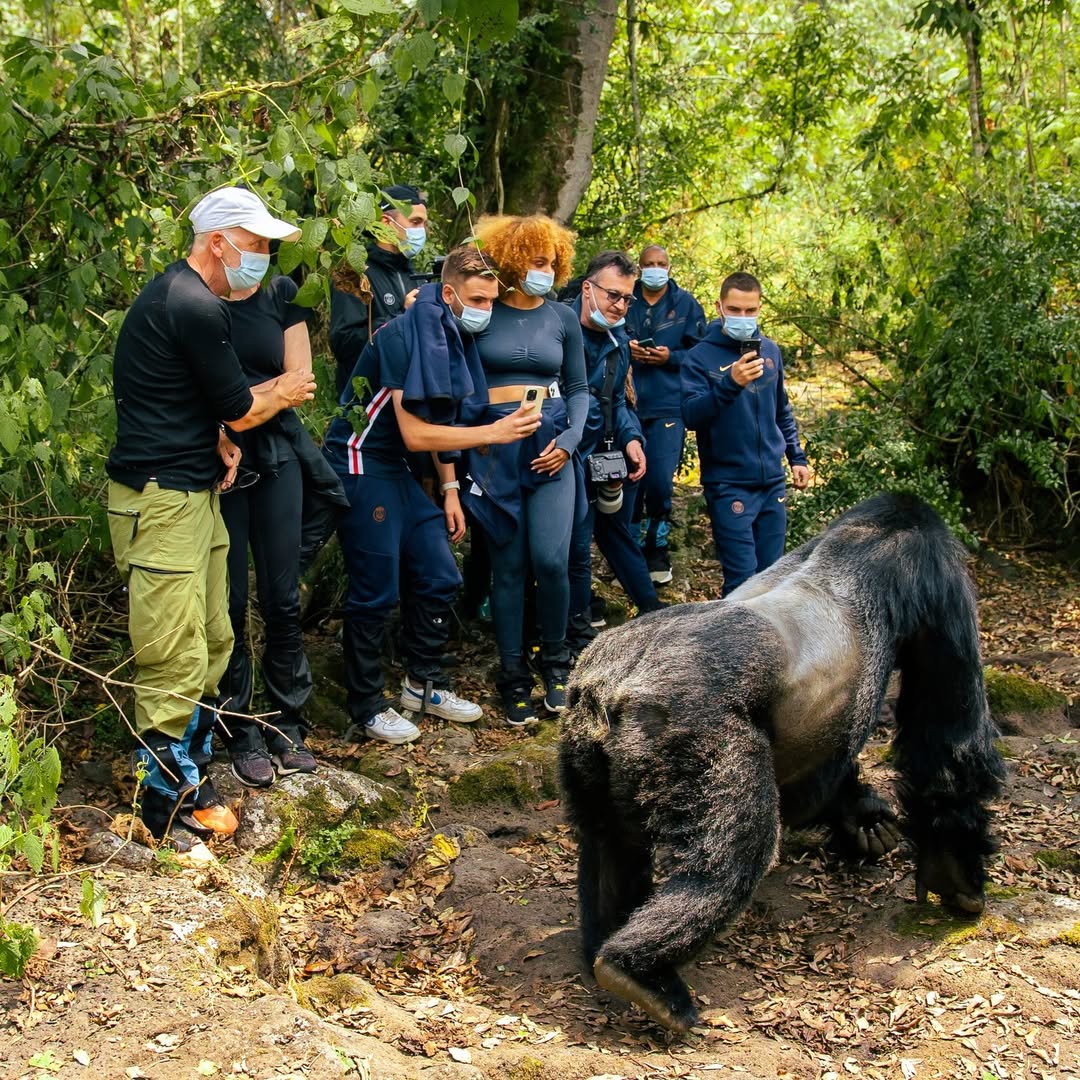 Several factors determine how challenging your gorilla trekking experience will be. While every trek is unique, understanding these variables helps you prepare and manage expectations before you set foot on the trail.
1. Location of the Gorilla Family
Mountain gorillas are constantly on the move, building new nests each night as they search for fresh vegetation to feed on. Some groups may be found close to the park boundary, while others wander deep into the forest. Depending on where your assigned gorilla family is located, your hike could last anywhere from 30 minutes to over 6 hours. Rangers communicate with trackers via radio to estimate distances, but nature is unpredictable — part of the adventure!
2. Weather Conditions
The tropical rainforests of Uganda, Rwanda, and DRC are known for sudden rain showers, even during dry seasons. When it rains, trails become muddy, slippery, and harder to navigate. Humidity levels can also soar, making the trek feel more strenuous. Good hiking boots, gaiters, and a light rain jacket are essential for maintaining comfort and safety in changing weather.
3. Altitude
Most gorilla habitats sit between 2,200 and 3,000 meters (7,200–9,800 feet) above sea level. The air is thinner at these elevations, meaning you might tire more quickly than usual, especially if you’re not used to high-altitude conditions. Taking short breaks, drinking plenty of water, and maintaining a steady pace can help minimize fatigue.
4. Your Fitness Level
Your personal fitness plays a huge role in how enjoyable the trek feels. Trekkers who engage in regular physical activity — walking, cycling, or light cardio — will find it easier to handle the terrain and elevation. While gorilla trekking isn’t an extreme sport, it does require endurance, balance, and a willingness to push through muddy, uphill stretches.
5. Group Assignment
Before each trek, visitors attend a morning briefing where rangers assess fitness levels and assign groups accordingly. There are usually easier, moderate, and challenging routes, depending on where each gorilla family is located. If you prefer a shorter or less strenuous trek, let the rangers know honestly — they’ll do their best to match you with a suitable group.
5. Tips to Make Your Trek Easier
-
Hire a porter: For $15–$20, they’ll carry your backpack and assist you on steep sections. It’s also a great way to support the local community.
-
Use a walking stick: Provided by the park or porters to help maintain balance.
-
Wear the right gear: Waterproof hiking boots, long pants, gloves, and a rain jacket.
-
Stay hydrated: Carry at least 2 liters of water and energy snacks.
-
Pace yourself: Take breaks when needed — guides are patient and experienced.
-
Start early: You’ll begin around 7:00 a.m., when temperatures are cooler.
6. Is It Worth the Effort?
 Absolutely — every step, every drop of sweat, and every slippery climb is worth it a hundred times over. The physical challenge of gorilla trekking doesn’t take away from the experience — it deepens it. By the time you finally reach the gorillas, surrounded by the cool mist and the rhythmic sounds of the forest, the fatigue simply fades into awe.
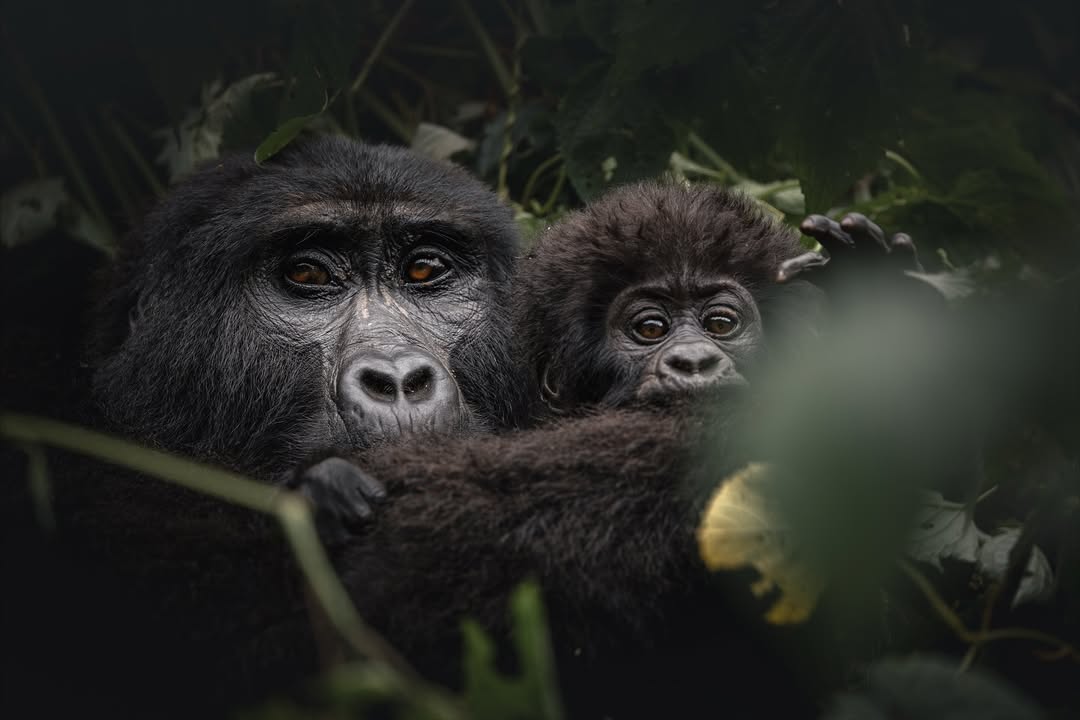
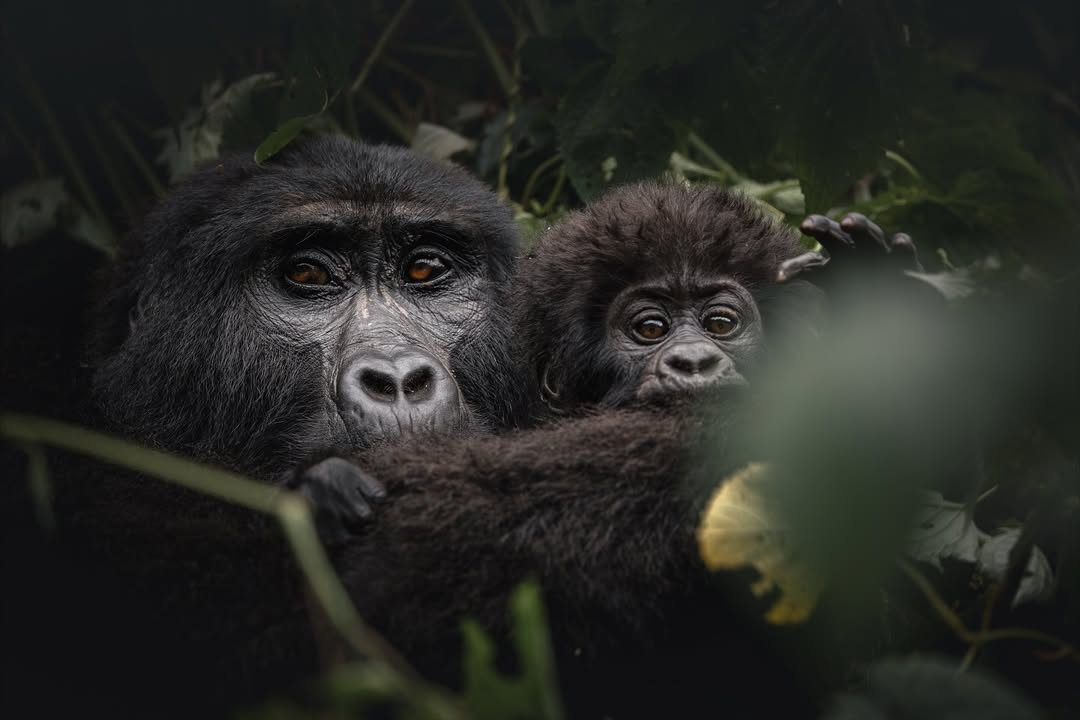
Imagine standing a few meters away from a gorilla family — a mother gently cradling her infant, juveniles tumbling playfully nearby, and the silverback watching quietly from the shadows. The moment is surreal. Their eyes meet yours, and for a brief instant, the line between human and animal seems to disappear. Many trekkers describe it as spiritual, emotional, even life-changing — a raw reminder of our connection to nature.
But the experience goes far beyond that single hour of observation. Gorilla trekking is a journey of personal growth and purpose. It challenges your endurance, tests your patience, and rewards you with something far greater than just photographs — a renewed sense of respect for wildlife and the fragile ecosystems that sustain them.
Knowing that your trek also helps fund conservation programs and local communities adds another layer of fulfillment. Every permit purchased supports anti-poaching patrols, habitat protection, and schools and clinics in the surrounding villages. You’re not only witnessing one of Earth’s most endangered species — you’re directly contributing to its survival.
In the end, gorilla trekking isn’t just an adventure; it’s a transformative experience that stays with you long after you leave the forest. The memories — of the mist, the silence, the moment you locked eyes with a gorilla — become part of you. And that’s what makes every step, no matter how tough, truly worth it.
7. Best Time to Go for Easier Conditions
-
Dry Seasons: June–September and December–February
These months offer firmer trails, better visibility, and more predictable weather. -
Wet Seasons: March–May and October–November
The forest is lush and beautiful, but treks are muddier and more challenging.
Frequently Asked Questions (FAQs)
1. How long does a gorilla trek take?
Between 30 minutes and 6 hours, depending on how far the gorilla family has moved.
2. What if I can’t complete the trek?
If you become too tired, porters and guides will help you back safely. You can also request an easier trek the next day (in some cases).
3. Can older travelers do gorilla trekking?
Yes. Many travelers in their 50s, 60s, and even 70s successfully complete treks — with porters and proper pacing.
4. Are there different difficulty levels?
Yes. Rangers often assign gorilla families by distance — short, medium, or long treks — based on visitor fitness.
5. Do I need to train beforehand?
It’s a good idea to do light cardio, hiking, or stair exercises before your trip. It greatly improves endurance and comfort.
6. How high is the altitude?
Most treks range between 2,200–3,000 meters (7,200–9,800 feet). You may feel mild shortness of breath if unaccustomed to high altitudes.
7. Is gorilla trekking safe?
Yes. Treks are led by armed rangers and experienced trackers. Mountain gorillas are habituated and generally peaceful.
8. What happens if it rains?
The trek continues — just wear waterproof gear. Rain is part of the experience and adds to the misty jungle atmosphere.
Final Thoughts
Gorilla trekking is physically demanding but deeply rewarding. With a reasonable fitness level, the right preparation, and a positive mindset, anyone can do it. The effort melts away the moment you stand in the presence of these majestic creatures — it’s an encounter that stays with you forever.
So, lace up your hiking boots, pack your camera, and get ready for an adventure that challenges your body and nourishes your soul.