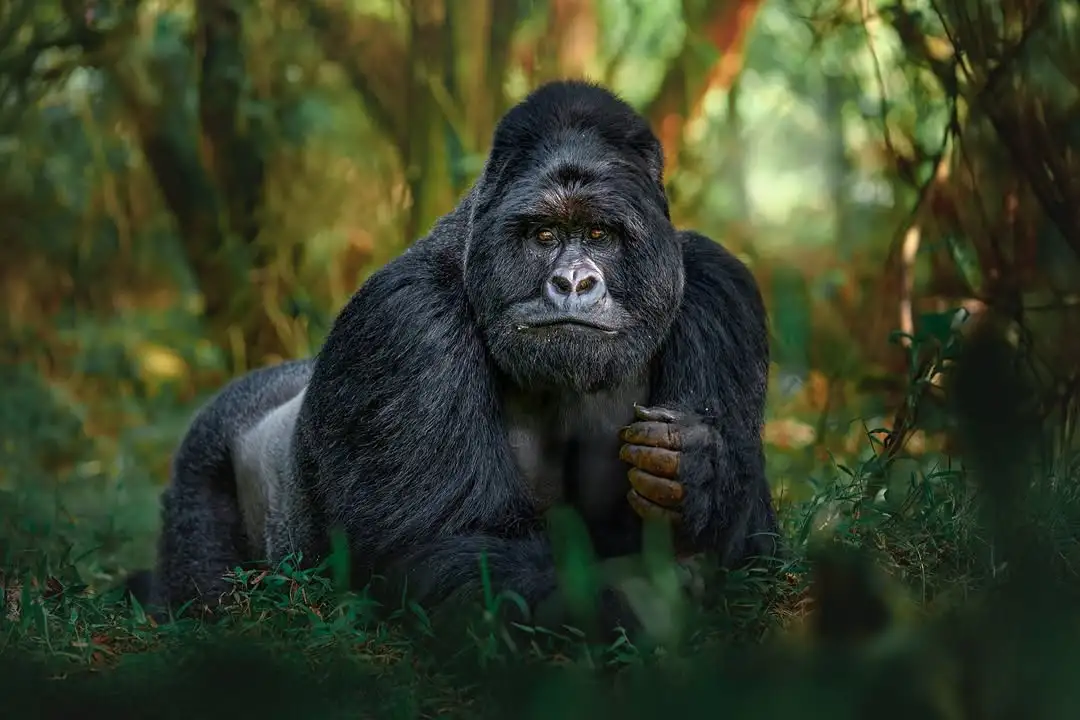
Gorilla Trekking in Rwanda – Guide to Gorilla Tours in Volcanoes National Park
Nestled in the misty highlands of northwestern Rwanda, Volcanoes National Park (Parc National des Volcans) is one of Africa’s most enchanting destinations — a place where emerald forests cloak ancient volcanoes and where the rare mountain gorilla roams freely. This is where visitors from around the world come to share an hour with one of humankind’s closest relatives, deep in their natural habitat.
About Volcanoes National Park
Covering an area of 160 square kilometers, Volcanoes National Park forms part of the Virunga Conservation Area, a tri-border ecosystem shared by Rwanda, Uganda, and the Democratic Republic of Congo. The park protects the Rwandan portion of the majestic Virunga Volcanoes, which include Karisimbi, Bisoke, Muhabura, Gahinga, and Sabyinyo.
The park’s dense bamboo and montane forests are home to a variety of wildlife, including golden monkeys, forest elephants, bushbucks, buffaloes, and over 180 bird species. But it is the mountain gorillas — made famous by primatologist Dian Fossey — that draw most visitors to this incredible region.
Volcanoes National Park also holds immense historical and cultural significance. It’s where Dian Fossey conducted her groundbreaking gorilla research in the 1960s and established the Karisoke Research Center, paving the way for modern conservation efforts.
Gorilla Trekking in Rwanda – The Experience
The Journey Begins
Your day starts early — usually around 7:00 a.m. — at the park headquarters in Kinigi, just outside the town of Musanze (formerly Ruhengeri). Here, guests are welcomed by park rangers for a pre-trek briefing, where you’ll learn about gorilla behavior, trekking rules, and what to expect in the forest.
You’ll then be divided into small groups of up to eight people, each assigned to one of the park’s 12 habituated gorilla families. Groups are carefully chosen based on your fitness level and interest, ensuring the best match for your trekking experience.
The Trek Itself
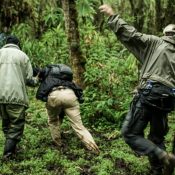
Gorilla Trekking in Rwanda ‘s Volcanoes National Park can last anywhere from 2 to 6 hours, depending on where the gorillas are located. The terrain is mountainous yet manageable, with trails winding through bamboo forests, lush meadows, and volcanic slopes.
Along the way, you’ll encounter stunning views of the Virunga peaks, colorful birdlife, and perhaps even golden monkeys. Experienced trackers communicate with the rangers via radio, helping your group locate the gorillas more efficiently.
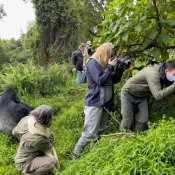
Once your group reaches its assigned gorilla family, the atmosphere changes — hushed, reverent, and filled with awe. You’ll have one full hour to observe the gorillas as they feed, groom, play, and interact within their natural environment. It’s an unforgettable moment — one that evokes a deep sense of connection and respect.
Photography and Observation
While photography is allowed, the use of flash is strictly prohibited as it can disturb the gorillas. Because of the forest’s low light and misty atmosphere, a camera with a good ISO range or mirrorless setup works best.
Trekkers are encouraged to spend time simply watching — not just photographing. Witnessing the tender bond between a mother and her infant or a dominant silverback’s quiet vigilance offers a deeply emotional experience that transcends any image.
Gorilla Trekking in Rwanda – Permit Costs
Luxury Lodges
Bisate Lodge
A world-renowned eco-lodge offering luxurious forest villas with panoramic views of the Virunga Volcanoes. Bisate blends sustainable architecture with exceptional service, gourmet dining, and community engagement, making it one of Africa’s top conservation-based lodges.
Sabyinyo Silverback Lodge
Located near the park headquarters, this lodge offers private cottages with fireplaces and stunning mountain views. Operated by the local community, it provides a warm, intimate experience while directly supporting nearby villages through conservation initiatives.
One&Only Gorilla’s Nest
A high-end sanctuary surrounded by eucalyptus forest, offering modern elegance and world-class hospitality. Guests enjoy private villas, spa treatments, and fine dining — perfect for those seeking comfort and exclusivity after gorilla trekking.
Midrange Lodges
Mountain Gorilla View Lodge
Just a short drive from the park entrance, this lodge provides spacious cottages, hearty meals, and beautiful views of the Virungas. It’s known for its friendly staff, cultural entertainment, and reliable comfort for midrange travelers.
Da Vinci Gorilla Lodge
Combining modern comfort with Rwandan charm, Da Vinci offers cozy chalets, a restaurant, and scenic surroundings. It’s ideal for travelers who want good amenities, local cuisine, and easy access to Volcanoes National Park without the luxury price tag.
Budget Lodges
Hotel Muhabura
One of Musanze’s oldest and most beloved hotels, offering simple rooms, a good restaurant, and a relaxed atmosphere. Famous for once hosting Dian Fossey, it’s a great choice for history lovers and budget travelers.
La Locanda
A comfortable guesthouse with clean rooms, tasty Italian and Rwandan dishes, and a cozy garden setting. It’s popular with travelers looking for a peaceful stay and great hospitality at an affordable rate.
Kinigi Guest House
Located near the park headquarters, this government-run guesthouse provides basic accommodation with a welcoming atmosphere. It’s a top pick for trekkers seeking convenience, simplicity, and proximity to gorilla trekking starting points.
Accessibility and Getting There
One of Rwanda’s biggest advantages is accessibility. Volcanoes National Park is only 2.5 hours’ drive from Kigali International Airport, making it the most convenient gorilla trekking destination in Africa.
Visitors can land in Kigali, enjoy a short city tour, and travel to Musanze the same day. This makes Rwanda perfect for both short weekend safaris and combined trips with Tanzania’s Serengeti or Kenya’s Maasai Mara.
Best Time for Gorilla Trekking in Rwanda
Gorilla Trekking in Rwanda is available year-round, but conditions vary by season:
-
Dry Seasons (June–September & December–February):
Easier hiking conditions, clearer photography, and more predictable gorilla locations. These are the most popular and recommended months. -
Wet Seasons (March–May & October–November):
Trails are muddier and more slippery, but the forest is greener and less crowded. Budget travelers can enjoy easier permit availability during these months.
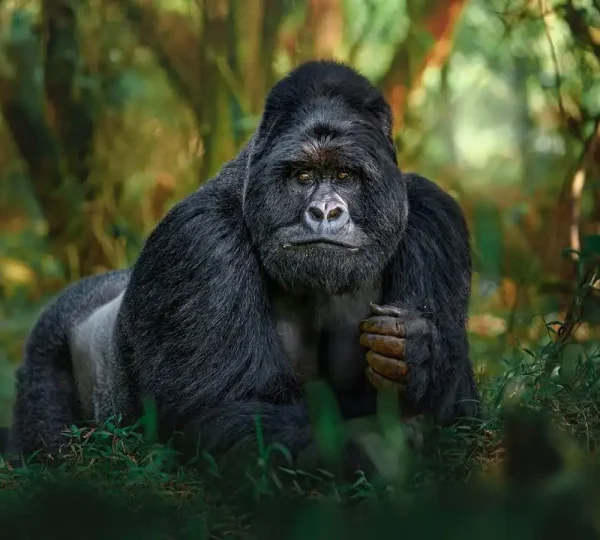
Pablo the silverback in Volcanoes National Park
Conservation and Community Impact
Every visitor who treks with Rwanda’s mountain gorillas contributes directly to their survival. Volcanoes National Park is one of Africa’s greatest conservation success stories — thanks to community engagement and sustainable tourism, the mountain gorilla population has grown to over 1,000 individuals across the Virunga Massif and Bwindi.
Rwanda’s model of high-value, low-impact tourism ensures that local communities benefit from gorilla trekking revenue through employment, education, and infrastructure. Many porters, guides, and rangers are former poachers who have found new livelihoods protecting wildlife.
Other Activities in Volcanoes National Park
While Gorilla Trekking in Rwanda is the highlight of any visit to Volcanoes National Park, the region offers a variety of other unforgettable experiences that showcase Rwanda’s rich wildlife, landscapes, and culture. These activities perfectly complement a gorilla trek, allowing travelers to explore the park’s beauty from multiple angles.
Golden Monkey Tracking
Golden monkey tracking is a delightful and less strenuous alternative to gorilla trekking. These playful primates — found only in the Virunga Mountains — live in the bamboo forests at the base of the volcanoes. The trek typically lasts 2–4 hours and offers a fantastic opportunity to watch the monkeys leap between bamboo stems, feed on fresh shoots, and interact socially. It’s also a great choice for families or travelers looking for a lighter yet equally fascinating wildlife experience.
Mount Bisoke Hike
For adventure lovers, hiking Mount Bisoke (3,711 meters) is a rewarding full-day experience. The trail takes you through dense vegetation, open meadows, and volcanic slopes before reaching a stunning crater lake at the summit. The round trip usually takes 6–8 hours, depending on your pace and fitness level. Along the way, hikers often encounter birds, forest buffalo tracks, and spectacular views of the surrounding Virunga Volcanoes. It’s a must for those seeking both challenge and natural beauty.
Visit to Dian Fossey’s Tomb
This historical trek honors the legacy of Dian Fossey — the American primatologist who dedicated her life to studying and protecting mountain gorillas. The hike to her former Karisoke Research Center takes about 3–4 hours round trip, passing through scenic forest terrain and offering insights into her groundbreaking conservation work. Visiting her grave site is both moving and educational, providing a deeper understanding of Rwanda’s conservation history.
Iby’Iwacu Cultural Village
Just outside the park, the Iby’Iwacu Cultural Village (now known as the Gorilla Guardians Village) offers a vibrant glimpse into Rwanda’s culture and traditions. Visitors can watch traditional dance performances, learn about local crafts, taste Rwandan cuisine, and even participate in drumming sessions. Many of the performers are former poachers who now earn a living through cultural tourism — making this experience both meaningful and empowering.
Tips and Guide For Gorilla Trekking in Rwanda
-
Gorilla trekking in Rwanda is a once-in-a-lifetime experience, but preparation is key to making it safe, comfortable, and memorable. Here’s what every traveler should know before setting off into the misty slopes of the Virunga Volcanoes:
Book Your Permit Early
Gorilla permits in Rwanda are limited to only 96 per day — ensuring minimal disturbance to the gorillas and an intimate experience for visitors. To secure your spot, book at least 3–6 months in advance, especially during peak seasons (June–September and December–February).
Permits can be purchased through the Rwanda Development Board (RDB) or a licensed tour operator, such as Cream Tours Africa, who will also handle logistics like transport, accommodation, and park briefing schedules.Wear the Right Gear
The terrain in Volcanoes National Park can be muddy, slippery, and steep — even during the dry season. Dressing appropriately ensures comfort and safety throughout the hike.
-
Waterproof hiking boots: Provide grip and ankle support on uneven ground.
-
Gardening or trekking gloves: Help you grab onto vines or branches without getting scratched.
-
Long-sleeved shirts and trousers: Protect your skin from insects, thorns, and stinging plants.
-
Rain jacket or poncho: Essential since rainfall can occur anytime in the rainforest.
-
Gaiters and thick socks: Keep mud, stones, and insects out of your boots.
Hire a Porter
Hiring a porter is highly recommended — not just for convenience, but as a way to support local livelihoods. Porters carry your backpack, camera gear, and water, and they also assist you in navigating steep or muddy paths. Most porters are local villagers who once relied on forest resources for income but now earn a living through tourism, making your trek a direct contribution to community welfare and conservation.
Pack Snacks and Water
While treks can last anywhere from 2 to 6 hours (or longer), you’ll only have one hour with the gorillas — meaning the rest of the time is spent hiking and tracking. Bring at least two liters of drinking water and some energy snacks like granola bars, nuts, or fruit. Staying hydrated and energized helps you maintain stamina, especially at higher altitudes.
Practice Responsible Gorilla Etiquette
When you finally meet the gorillas, the experience can be emotional and awe-inspiring. To ensure their safety — and yours — follow ranger instructions closely:
-
Stay at least 7 meters (23 feet) away from the gorillas.
-
Avoid direct eye contact, sudden movements, or loud noises.
-
Never attempt to touch or feed the gorillas.
-
Turn away and cover your mouth/nose if you sneeze or cough, to prevent disease transmission.
-
Move slowly and stay calm — gorillas are gentle, but they must never feel threatened.
-
Gorilla Trekking in Rwanda Frequently Asked Questions
1. How long is a gorilla trek in Rwanda?
Usually between 2 and 6 hours, depending on the location of your assigned gorilla family.
2. How close can you get to gorillas?
Visitors must keep a minimum of 7 meters (23 feet) distance to prevent disease transmission.
3. Are gorilla treks safe?
Yes. Treks are led by armed, trained rangers who ensure visitor and gorilla safety.
4. How many people are in a trekking group?
A maximum of 8 people per gorilla family is allowed per trek.
5. What fitness level is required?
Moderate fitness is recommended; the terrain can be hilly and slippery.
Final Thoughts
Gorilla trekking in Volcanoes National Park, Rwanda is a deeply moving and transformative experience — one that goes beyond adventure. It’s an encounter that reconnects you with nature, supports conservation, and uplifts local communities.
Whether you come for a luxury escape or a short wildlife holiday, your hour with Rwanda’s gentle giants will stay with you for a lifetime.