Gorilla Trekking in Bwindi Forest – The Ultimate Guide to Meeting Uganda’s Gentle Giants
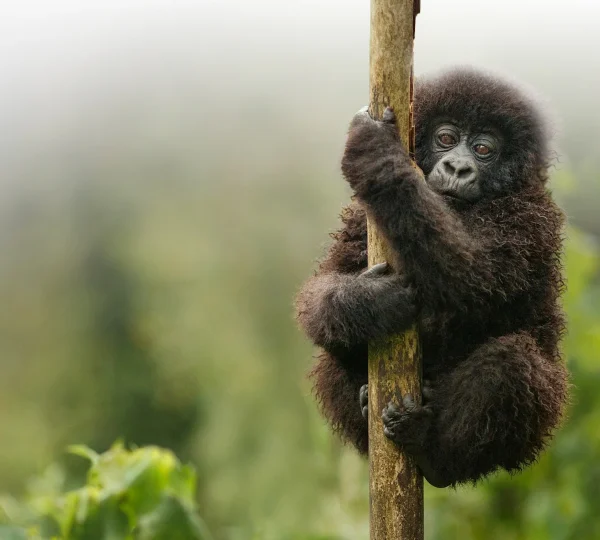
Deep in the misty highlands of southwestern Uganda lies one of Africa’s most extraordinary natural treasures — Bwindi Impenetrable Forest National Park. Home to nearly half of the world’s remaining mountain gorillas, Bwindi offers an experience that is as humbling as it is thrilling. Trekking through its dense rainforest to encounter a family of gorillas in their natural home is one of the most moving wildlife encounters on earth.
In this guide, we explore everything you need to know about gorilla trekking in Bwindi Impenetrable Forest — from where to go and what to expect, to permit costs, best times to visit, and practical tips for an unforgettable experience.
About Bwindi Impenetrable Forest National Park
A UNESCO World Heritage Site, Bwindi Impenetrable National Park is one of Africa’s most extraordinary ecological treasures. Spanning over 321 square kilometers, it straddles the edge of the Albertine Rift Valley in southwestern Uganda. This ancient forest — estimated to be over 25,000 years old — is among the few places that survived the last Ice Age, preserving an exceptional range of biodiversity.
The park’s terrain is as dramatic as it is beautiful — a mix of steep valleys, tangled vines, and mist-covered ridges that justify its name “Impenetrable.” Rising between 1,160 and 2,600 meters above sea level, it combines both montane and lowland forest ecosystems, creating unique habitats found nowhere else on earth.
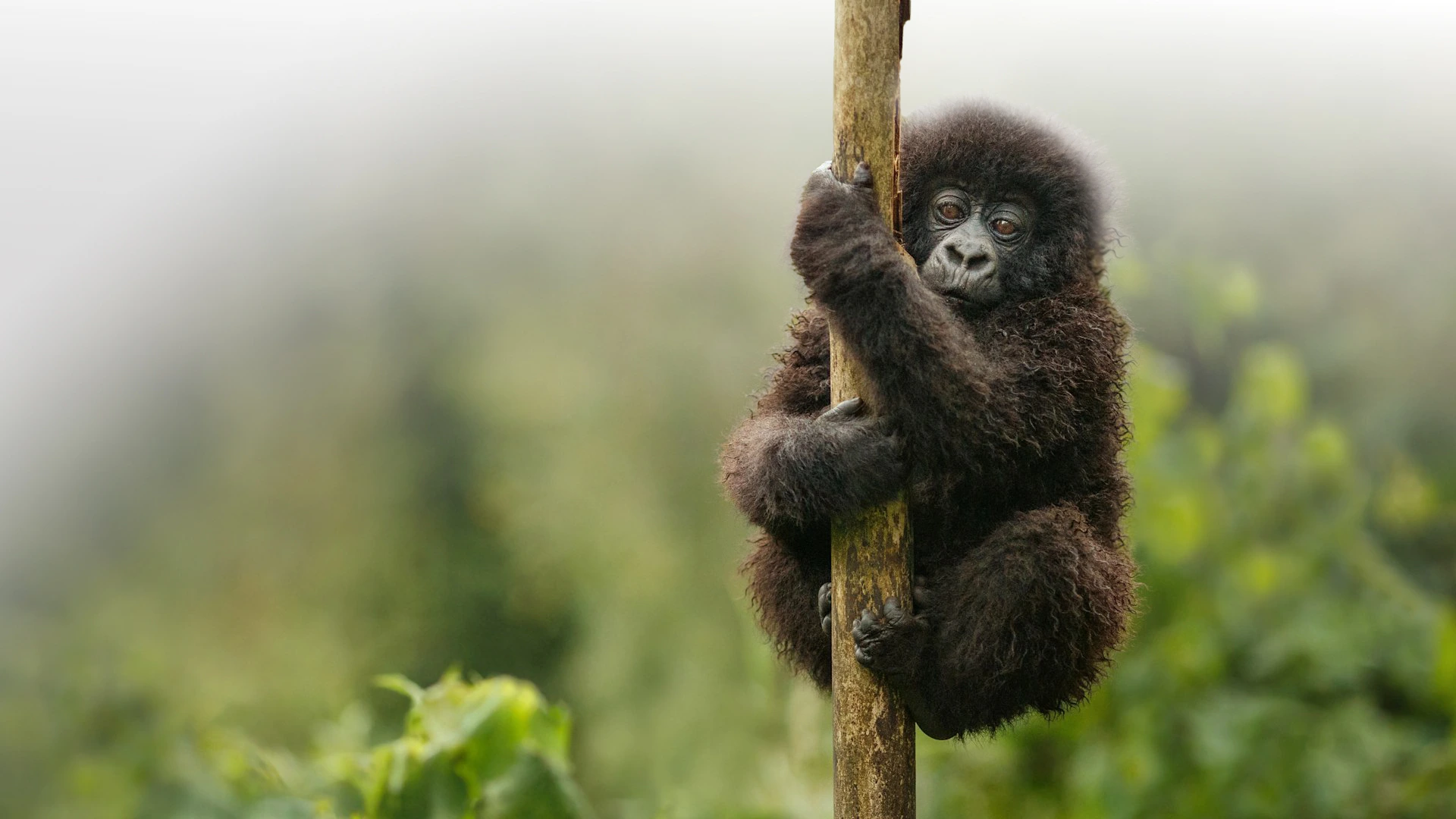
Bwindi is home to over 480 mountain gorillas, representing nearly half of the world’s remaining population. Beyond gorillas, the park shelters 120 mammal species including forest elephants, duikers, and primates like black-and-white colobus monkeys and L’Hoest’s monkeys. It’s also a birdwatcher’s paradise, boasting over 350 bird species, 23 of which are Albertine Rift endemics such as the African green broadbill and Grauer’s rush warbler.
Butterfly lovers will find more than 200 species, alongside rare plant life, ancient trees, and medicinal herbs used by local communities for generations.
But Bwindi’s magic extends beyond its wildlife — it’s also rich in cultural heritage. The Batwa people, the forest’s original inhabitants, still live near its borders and share their deep knowledge of forest life through guided cultural walks.
Today, Bwindi stands as a symbol of successful conservation, where eco-tourism directly supports wildlife protection and community livelihoods. Whether you come for gorilla trekking, birding, or simply to wander its lush trails, Bwindi offers an immersive connection to one of the world’s last true wildernesses.
Gorilla Trekking Sectors in Bwindi
Bwindi Impenetrable National Park is divided into four main trekking regions (sectors) — Buhoma, Ruhija, Rushaga, and Nkuringo — each offering a distinct landscape, atmosphere, and gorilla trekking experience. Choosing the right sector can make your safari even more memorable, depending on your fitness level, travel plans, and preferred style of adventure.
1. Buhoma Sector (North Bwindi)
Buhoma is the oldest and most iconic gorilla trekking region in Bwindi — it’s where gorilla tourism began in 1993, marking the start of Uganda’s conservation success story. Nestled at the park’s northern edge, Buhoma is known for its gentle terrain, making it ideal for first-time trekkers, families, and those seeking comfort.
The trails here are relatively shorter and less steep, allowing for an easier trekking experience while still offering incredible encounters with habituated gorilla families such as Mubare, Rushegura, Habinyanja, and Katwe.
Buhoma is also home to some of Bwindi’s best lodges, from luxury retreats to cozy midrange and budget options, offering stunning views of the forest canopy. After your trek, you can visit community projects, craft markets, or take cultural walks with the Batwa people.
2. Ruhija Sector (East Bwindi)
Located at a higher altitude than Buhoma, Ruhija offers sweeping forest views, cooler weather, and fewer crowds — perfect for travelers seeking tranquility. Its elevation (about 2,350 meters) means the air is crisp, and the trails weave through lush montane forest, offering excellent birdwatching opportunities with over 300 species recorded.
The sector is home to three main gorilla families — Bitukura, Kyaguriro, and Oruzogo — each known for their fascinating social dynamics and active behavior. Ruhija’s hikes can be moderately challenging but deeply rewarding, often taking trekkers through remote parts of the forest.
Due to its location between Buhoma and Kabale, Ruhija is a convenient stop for travelers combining gorilla trekking with visits to Queen Elizabeth National Park or Lake Bunyonyi.
3. Rushaga Sector (South Bwindi)
Rushaga is the largest and most versatile of Bwindi’s sectors, boasting the highest number of habituated gorilla families — over ten in total — making it ideal for those seeking flexibility and variety. It is also the only sector offering the Gorilla Habituation Experience, a unique opportunity to spend four hours with semi-habituated gorillas as researchers observe and document their behavior.
Trekkers here can meet families such as Nshongi, Mishaya, Busingye, Kahungye, and Bweza, each with their own personalities and group structures. The terrain in Rushaga is varied, featuring rolling hills, rivers, and thick vegetation, which can make treks both challenging and adventurous.
Accommodation in Rushaga ranges from luxury forest lodges to budget-friendly camps, and its proximity to Nkuringo and Mgahinga National Park allows travelers to combine multiple experiences in one trip.
4. Nkuringo Sector (Southwest Bwindi)
For the adventurous at heart, Nkuringo offers the most rugged and scenic trekking experience in Bwindi. Located on the park’s southwestern edge, the sector’s terrain is steep and physically demanding, but the rewarding views of the Virunga Volcanoes, lush valleys, and rolling hills make it truly unforgettable.
The Nkuringo Group, led by Silverback Rwamutwe, is one of the park’s most famous families, once led by the legendary Rafiki, whose story symbolizes the strength of Uganda’s conservation efforts. Other habituated families include the Christmas and Bushaho groups, known for their playful nature and close-knit bonds.
Nkuringo’s treks are more physically demanding, often requiring 3–6 hours of hiking, but the solitude and panoramic scenery make it perfect for those seeking an authentic, off-the-beaten-path experience.
 Choosing the Right Sector for You
Each sector offers a distinct flavor of Bwindi: Choose the best
-
Buhoma – Easiest access and great for first-time trekkers.
-
Ruhija – Quiet, cool, and perfect for bird lovers.
-
Rushaga – Best for habituation and variety of families.
-
Nkuringo – Challenging but incredibly scenic and rewarding.
No matter where you trek, each encounter in Bwindi is unique — a blend of adventure, emotion, and connection with one of the world’s most majestic creatures.
Gorilla Trekking in Bwindi Forest – Permits & Costs
For Gorilla Trekking in Bwindi Forest, every visitor must obtain a gorilla trekking permit issued by the Uganda Wildlife Authority (UWA).
-
Cost (2024–2025):
-
Gorilla Trekking Permit: USD 800 per person per trek
-
Gorilla Habituation Experience: USD 1,800 per person (4 hours with gorillas)
-
Permits are limited to 8 trekkers per gorilla family per day, so it’s essential to book early — ideally 3 to 6 months in advance, especially during peak seasons (June–September and December–February).
How Long Does the Trek Take?
The duration of your gorilla trek depends on where the gorilla family is located.
-
Shortest treks: 1–2 hours (if gorillas are nearby).
-
Moderate treks: 3–5 hours (most common).
-
Longest treks: 6–8 hours or more (if gorillas move deep into the forest).
Once you find the gorillas, you’re allowed 1 hour to observe, photograph, and enjoy their interactions. For those doing the habituation experience, you’ll spend up to 4 hours with the gorillas.
What to Expect During the Trek
-
Morning Briefing (7:00–8:30 AM):
You’ll start your day at the park headquarters, where rangers brief you on safety rules, trekking etiquette, and gorilla behavior. You’ll also be assigned to a gorilla family based on fitness level. -
Hike Into the Forest:
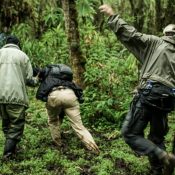
Led by armed rangers and trackers, you’ll navigate through dense vegetation, muddy trails, and sometimes steep slopes. The forest is alive with bird calls and the rustle of primates above. -
Encountering the Gorillas:
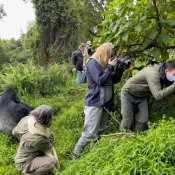
Once the trackers locate your assigned gorilla family, you’ll spend an hour in their company. Watching them feed, play, and care for their young is a deeply moving experience that words can barely capture. -
Return Journey:
After your encounter, you’ll trek back to the trailhead, where certificates are issued to mark your successful trek.
Accommodation Options
Bwindi offers a wide range of lodges across all budget levels:
-
Luxury Lodges:
Sanctuary Gorilla Forest Camp, Buhoma Lodge, Clouds Mountain Gorilla Lodge -
Mid-Range Lodges:
Mahogany Springs, Ichumbi Gorilla Lodge, Rushaga Gorilla Camp -
Budget Lodges:
Ride 4 a Woman Guesthouse, Buhoma Community Rest Camp, Gorilla Valley Lodge
Most lodges are located close to the park gates for easy access to morning briefings.
Getting to Bwindi
-
By Road:
-
From Kampala/Entebbe: 8–10 hours via Mbarara or Kabale.
-
From Queen Elizabeth National Park: 4–5 hours.
-
From Kigali (Rwanda): 4–5 hours through the Cyanika or Katuna border.
-
-
By Air:
-
Domestic flights from Entebbe or Kajjansi to Kihihi or Kisoro Airstrips, followed by a short drive to your trekking sector.
-
Best Time for Gorilla Trekking in Bwindi Forest
Gorilla trekking in Bwindi is possible year-round, but the best time is during the dry seasons:
-
June to September
-
December to February
During these months, trails are drier and easier to navigate. The rainy seasons (March–May and October–November) offer fewer crowds and greener scenery but can be muddy and more challenging.
What to Pack for Gorilla Trekking
-
Sturdy hiking boots
-
Waterproof rain jacket
-
Gardening gloves (for gripping vegetation)
-
Long-sleeved shirts and trousers
-
Hat and sunscreen
-
Energy snacks and water bottle
-
Walking stick (often provided by lodges)
-
Camera (no flash photography)
Why Gorilla Trekking in Bwindi Forest Is So Special
Bwindi’s magic lies not just in its gorillas but in its atmosphere — a blend of ancient forest, misty hills, and the hum of life all around. Here, every step feels like a journey through time. The encounters are intimate, emotional, and deeply humbling — a reminder of our shared connection with nature.
Final Thoughts
Gorilla Trekking in Bwindi Forest isn’t just an adventure; it’s a soul-stirring encounter with one of the planet’s most endangered species. Whether you choose the easy trails of Buhoma or the challenging hikes of Nkuringo, the moment you lock eyes with a silverback in the wild will stay with you forever.
Frequently Asked Questions (FAQs)
1. How do I get a permit?
Book through the Uganda Wildlife Authority (UWA) or a trusted tour operator at least 3–6 months in advance, especially during peak season.
2. Which sector is best?
-
Buhoma: Easy access, great lodges.
-
Rushaga: Offers the Habituation Experience.
-
Nkuringo: Steeper, scenic trails.
-
Ruhija: Peaceful and great for birding.
3. Is it safe?
Yes. Treks are led by armed rangers and experienced guides. Gorillas are habituated and rarely pose danger if rules are followed.
4. How fit should I be?
Moderate fitness is enough. Trails can be steep or muddy, so hire a porter and pace yourself.
5. Trekking vs. Habituation?
-
Trekking: 1 hour with gorillas.
-
Habituation: 4 hours with researchers (Uganda only).
6. Can children trek?
Minimum age is 15 years. Younger kids can enjoy chimp tracking, cultural tours, or nature walks instead.
7. What else can I do nearby?
Combine with Queen Elizabeth, Murchison Falls, or Lake Bunyonyi for wildlife safaris and relaxation.
8. Where can I stay?
Bwindi has luxury, mid-range, and budget lodges near each trekking sector — book close to your assigned trailhead.
9. Best time to visit?
June–September and December–February offer dry, clear conditions. Wet seasons are greener and less crowded.
10. Why choose Bwindi?
It’s wilder, more affordable, and home to half the world’s gorillas — a raw, unforgettable adventure in nature’s heart.