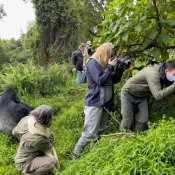
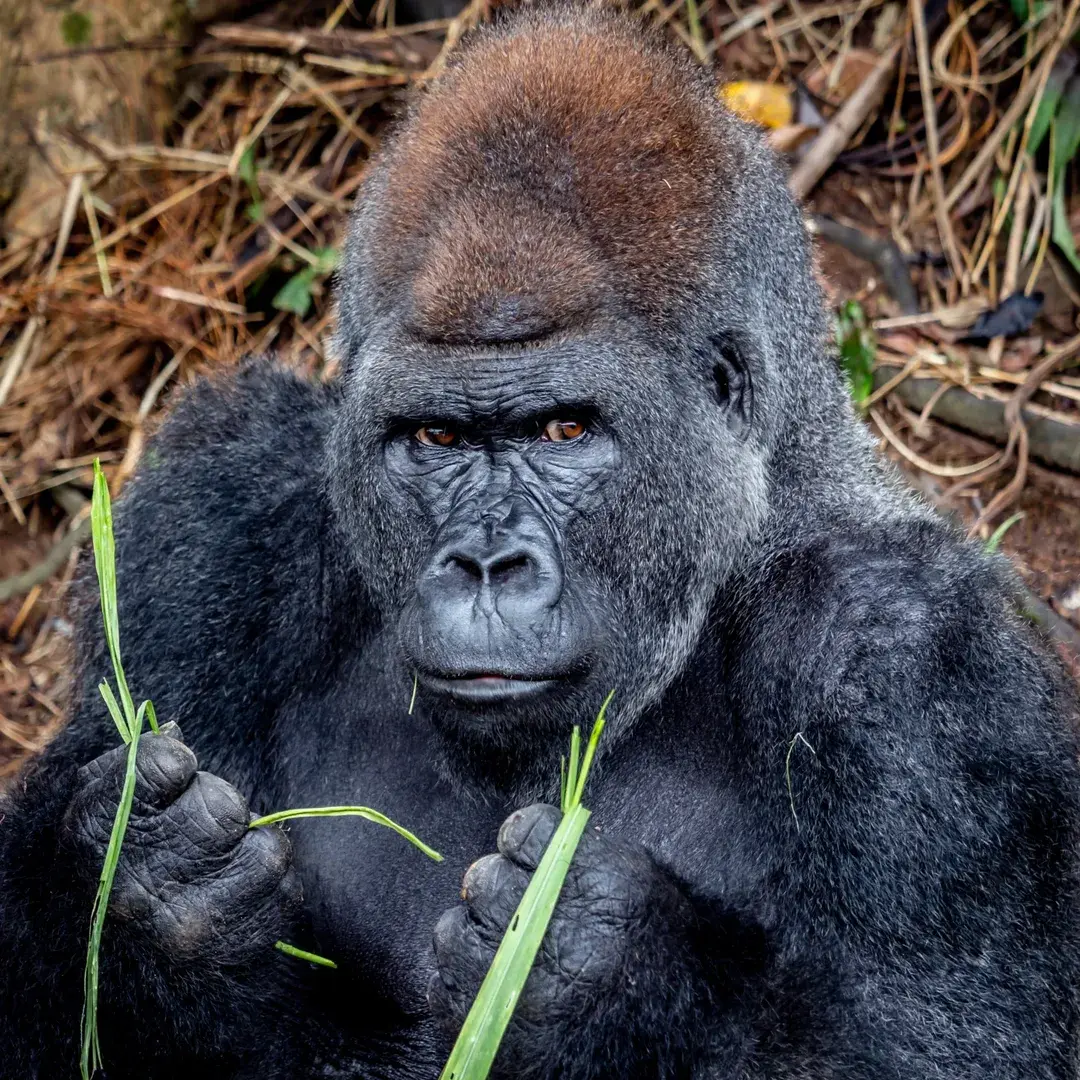
Cheapest Place for Gorilla Trekking is in Congo’s Virunga National Park. Gorilla trekking is one of Africa’s most life-changing adventures — a rare opportunity to stand a few meters away from endangered mountain gorillas in their natural forest homes. However, this extraordinary experience often comes at a steep price, with gorilla permits in Rwanda and Uganda costing hundreds (or even thousands) of dollars.
If you’ve ever dreamed of meeting these gentle giants without spending a fortune, the Democratic Republic of Congo (DRC) — particularly Virunga National Park — offers the most affordable gorilla trekking experience in Africa. Despite its lower cost, Virunga provides an equally unforgettable and authentic encounter, often with fewer tourists and wilder landscapes.
Where Is Virunga National Park? – Cheapest Place for Gorilla Trekking
Located in the eastern Democratic Republic of Congo, Virunga National Park borders Uganda’s Mgahinga Gorilla National Park and Rwanda’s Volcanoes National Park. Together, these three parks form the Virunga Conservation Area, home to more than half of the world’s remaining mountain gorillas.
Virunga spans over 7,800 square kilometers of diverse habitats — from snow-capped peaks of the Rwenzori Mountains to lush rainforests and active volcanoes like Mount Nyiragongo. Established in 1925, it’s Africa’s oldest national park and a UNESCO World Heritage Site celebrated for its incredible biodiversity and conservation efforts.
Gorilla Trekking Permit Prices Compared
Congo – Unique Cheapest Place for Gorilla Trekking
 1. Affordable and Accessible
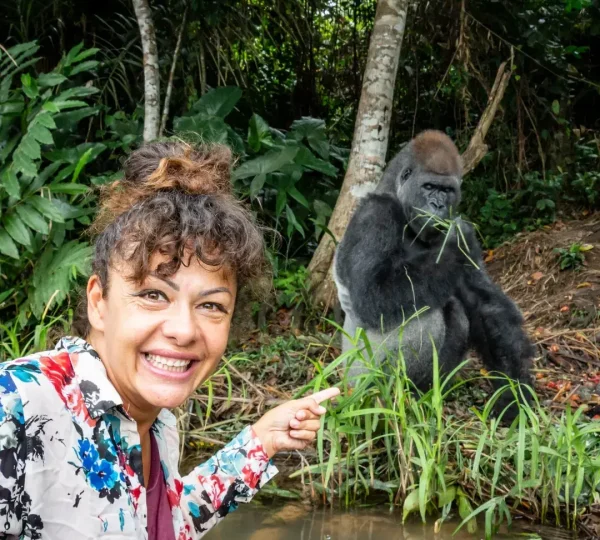
Virunga’s low permit price doesn’t mean a lesser experience — in fact, it’s one of the most intimate and uncrowded gorilla encounters on the continent. Because the park receives fewer tourists, trekkers enjoy a more private, peaceful, and authentic experience.
2. Raw, Untouched Wilderness
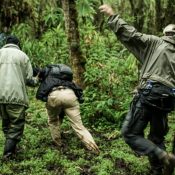
Unlike Rwanda’s manicured trails or Uganda’s structured trekking zones, Virunga’s environment feels wild and untamed. Treks lead you deep into misty rainforests where you can hear the symphony of birds and distant gorilla calls echoing through the trees. It’s a raw, immersive journey that brings you closer to nature than ever before.
3. Rich Biodiversity
Virunga isn’t just about gorillas. The park is home to over 200 mammal species, including chimpanzees, forest elephants, okapis, and antelopes. Birdwatchers can spot more than 700 bird species, while nature lovers can marvel at volcanoes, swamps, and alpine meadows — all within the same protected area.
4. Fewer Tourists, Deeper Connection
Because tourism in the DRC is still developing, gorilla trekking groups are smaller and more personalized. You can spend uninterrupted time observing gorilla families as they feed, groom, and play — a truly soulful and conservation-driven experience.
How to Get to Virunga National Park
Virunga offers a range of accommodations catering to different budgets, most located near Bukima and Rumangabo areas — the main gorilla trekking bases.
-
Mikeno Lodge (Luxury): A beautiful eco-lodge surrounded by forest, perfect for guests seeking comfort, gourmet dining, and stunning views.
-
Bukima Tented Camp (Midrange): Located at the gorilla trek starting point — offering incredible proximity to nature and the sounds of the forest.
-
Tchegera Island Camp (Unique Stay): Set on Lake Kivu, this relaxing post-trek getaway offers kayaking, birdwatching, and breathtaking sunsets.
More Adventures Beyond Gorillas
Mount Nyiragongo Hike:
For thrill-seekers, the Mount Nyiragongo hike is a must. This two-day trek takes you to the rim of one of the world’s most active volcanoes, where you’ll witness a glowing lava lake at night — an experience that few other adventures can match. Along the way, you’ll pass lava flows, volcanic rock formations, and dramatic landscapes, making it a photographer’s paradise. The hike is physically demanding, so moderate to high fitness levels are recommended, and trekking with a guide is mandatory.
Chimpanzee Habituation Walks:
Virunga is also home to semi-habituated chimpanzees, which can be observed on shorter, guided walks from Mikeno Lodge. These experiences allow visitors to learn about chimp behavior, social structures, and conservation challenges while maintaining minimal disturbance to the animals. Chimp habituation walks are generally less strenuous than gorilla trekking, making them suitable for families or travelers seeking a lighter adventure.
Nature Walks and Birding:
The park’s diverse habitats — from dense tropical rainforest to open savannas — make it ideal for nature walks and birding tours. Over 700 bird species have been recorded here, including rare and endemic species. Guided walks allow you to explore trails at a relaxed pace, observe wildlife, and learn about the park’s flora, ecological systems, and conservation efforts.
Senkwekwe Gorilla Orphanage Visit:
A visit to the Senkwekwe Gorilla Orphanage in Rumangabo offers a unique window into conservation in action. This orphanage rehabilitates mountain gorillas that have been orphaned by poaching or habitat loss. Visitors learn about gorilla rescue, care routines, and reintroduction efforts. It’s both educational and emotionally moving, highlighting the importance of protecting these endangered animals.
Best Time to Visit Virunga – Cheapest Place for Gorilla Trekking
The dry seasons are the most favorable for gorilla trekking and other outdoor activities:
-
June to September: Trails are firmer, streams are lower, and visibility is generally excellent. Wildlife is easier to spot in less dense vegetation.
-
December to February: Another dry period with cooler temperatures, making hikes more comfortable.
Rainy season treks (March–May, October–November) are still possible, but expect muddy trails and slippery conditions. The forest is lush, and the scenery is spectacular, making rainy season visits rewarding for dedicated trekkers who don’t mind the extra challenge.
Travel Tips for Budget Travelers
-
-
Book Early: Purchase your gorilla permit through the Virunga Foundation or a licensed Congo tour operator well in advance. Limited daily permits ensure smaller trekking groups, so early booking is essential.
-
Hire a Porter: Porters not only help carry heavy backpacks through steep and muddy terrain but also support local livelihoods, providing income to nearby communities.
-
Pack Smart: Essential gear includes sturdy hiking boots, a waterproof jacket, long sleeves and pants for protection, gloves, insect repellent, sun protection, and plenty of water and snacks. Trekking poles can also help on steep or uneven trails.
-
Stay Strategically: Lodging near Goma or Bukima provides easy access to park entry points, reducing travel time before the trek.
-
Travel with a Guide or Group: For safety and a more enriching experience, join a guided group or use a licensed tour operator. Guides know the trails, track gorilla movements, and ensure you follow park rules to protect both wildlife and visitors.
-
Why Virunga Is the Best Value for Gorilla Trekking
Despite its modest price tag, Virunga National Park delivers one of the most profound wildlife experiences on Earth. You’ll trek through ancient forests, connect with one of humanity’s closest relatives, and contribute directly to their protection — all for a fraction of the cost of other destinations.
For adventurous travelers seeking a budget-friendly, raw, and deeply authentic experience, Congo’s Virunga National Park is the undisputed best destination for gorilla trekking.
Virunga Gorilla Trekking FAQ
Q1: Is it safe to go gorilla trekking in Congo?
A: Yes, with proper planning. Trekking in Virunga is safe when you go with licensed operators and park rangers. Most safety concerns are addressed by following ranger instructions and staying within authorized trekking areas. Travelers should avoid solo travel and check current travel advisories.
Q2: Do I need a visa to visit Virunga National Park?
A: Yes. Most travelers require a Congo visa, which can be obtained before travel or upon arrival at certain border points. Travelers often enter via Rwanda (Kigali → Goma) to simplify logistics. Tour operators usually assist with visa guidance.
Q3: How many people are allowed per gorilla trekking group?
A: Trekking groups are typically limited to 8 people per gorilla family, ensuring minimal disturbance and a more intimate experience with the gorillas.
Q4: How much does a gorilla trekking permit cost in Virunga?
A: As of 2024, USD 400–500 per person, making it the most affordable gorilla trekking option in Africa. This fee supports conservation, anti-poaching patrols, and local communities.
Q5: When is the best time to trek gorillas in Virunga?
A: The dry seasons (June–September and December–February) are ideal for trekking due to easier trails and better visibility. Rainy seasons are still possible but can be muddy and slippery.
Q6: Can I combine Virunga trekking with Uganda or Rwanda gorilla tours?
A: Absolutely! Many travelers combine Congo, Uganda, and Rwanda in one itinerary to maximize gorilla encounters and explore different habitats. Your tour operator can plan seamless cross-border trips.
Q7: What should I bring for a gorilla trek in Virunga?
A: Essentials include sturdy hiking boots, long sleeves, gloves, rain jacket, insect repellent, water, snacks, and a camera. Hiring a porter is recommended for carrying gear and assisting on steep terrain.
Q8: How long does a typical gorilla trek last?
A: Treks vary depending on gorilla movements — 2–6 hours on average, including the hike to find the gorillas, time spent observing them, and the return to the park headquarters.
Q9: Are children allowed to go gorilla trekking in Virunga?
A: The minimum age is 15 years, similar to Uganda and Rwanda. This ensures the safety of both gorillas and younger visitors.