Can Children Go Gorilla Trekking? Everything You Need to Know
 Both Uganda and Rwanda have strict regulations when it comes to the minimum age limit for gorilla trekking, and for good reason.
In Uganda, the Uganda Wildlife Authority (UWA) requires that all participants be at least 15 years old to trek gorillas in either Bwindi Impenetrable National Park or Mgahinga Gorilla National Park. Similarly, in Rwanda, the Rwanda Development Board (RDB) enforces the same minimum age limit for treks in Volcanoes National Park.
This age restriction is not just a park policy — it is a legal and conservation guideline strictly upheld by both governments to protect visitors and gorillas alike. Park rangers verify the age of each trekker before issuing a permit or allowing entry into the park.
The rule ensures that all participants are mature enough to understand and follow the safety and behavioral protocols required during gorilla encounters, such as maintaining silence, keeping a safe distance, and avoiding sudden movements. It also reduces the risk of disease transmission, as children are often more susceptible to infections that can be passed to gorillas, who share about 98% of human DNA.
Tourists under 15 years old are therefore not permitted to take part in gorilla trekking under any circumstances, and permits are only issued to those who meet this age requirement. However, some families traveling with younger children can still explore nearby cultural activities, nature walks, and safaris while adults or older siblings go trekking.
Why Children Are Not Allowed on Gorilla Treks
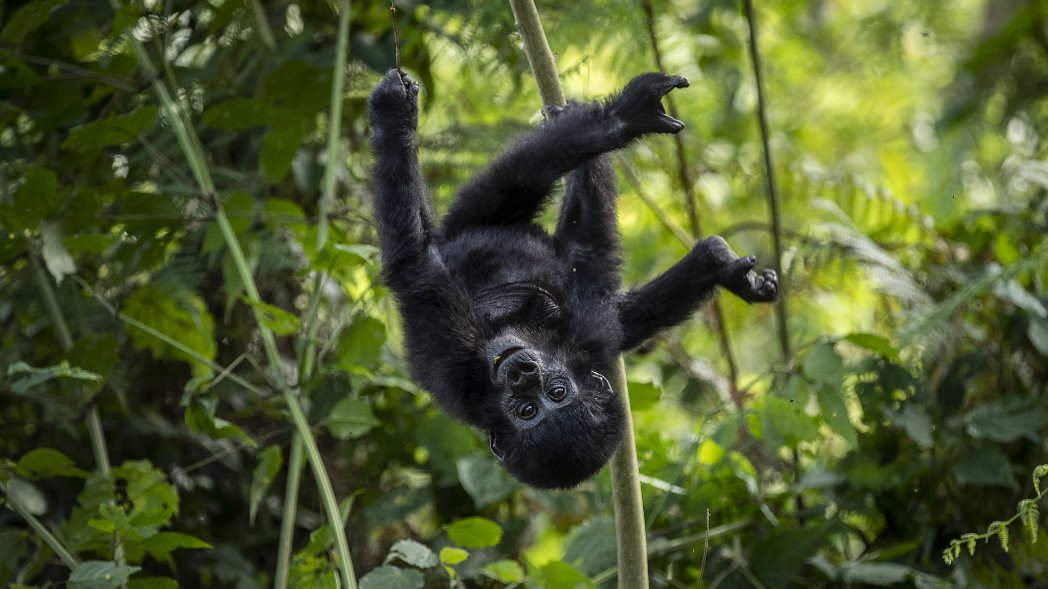 There are several important reasons for this restriction, all of which protect the gorillas and enhance the safety of trekkers.
1. Health Risks to Gorillas
Mountain gorillas share about 98% of their DNA with humans, which makes them highly susceptible to human diseases. Children are more likely to carry common infections such as colds, flu, or stomach bugs — illnesses that can be deadly to gorillas. To minimize this risk, only adults and older teenagers who can follow strict hygiene and distance rules are allowed to visit.
2. Physical Demands of the Trek
Gorilla trekking is a physically demanding activity. Hikes can last 2 to 8 hours, involving steep slopes, thick vegetation, muddy trails, and sometimes high altitudes (up to 2,600 meters).
Children may struggle with the stamina and endurance required for such terrain, especially in humid rainforest conditions.
3. Behavioral and Safety Concerns
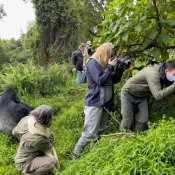
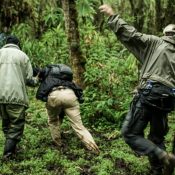
Encounters with gorillas require silence, calmness, and obedience to ranger instructions. Sudden movements, loud noises, or running can startle gorillas and provoke defensive reactions. Young children may find it difficult to stay still or quiet during such close wildlife interactions, posing safety concerns for both the group and the gorillas.
4. Park Regulation and Liability
National park authorities maintain the age restriction to avoid any liability or safety incidents. The rule ensures that all trekkers are mature enough to understand the risks, follow conservation guidelines, and respect the gorillas’ natural environment.
Family-Friendly Alternatives for Young Travelers
While children under 15 cannot join gorilla treks, there are several exciting and educational alternatives for families traveling to Uganda or Rwanda.
1. Visit Chimpanzees or Other Primates
Children aged 12 and above can enjoy chimpanzee trekking in Uganda’s Kibale Forest National Park or Rwanda’s Nyungwe Forest National Park. These encounters are shorter (usually 2–4 hours) and less strenuous than gorilla treks but equally fascinating.
2. Go on a Wildlife Safari
Both Uganda and Rwanda offer incredible family safaris. Children can enjoy spotting elephants, lions, giraffes, zebras, hippos, and other animals in parks such as:
-
Queen Elizabeth National Park (Uganda)
-
Lake Mburo National Park (Uganda)
-
Akagera National Park (Rwanda)
Game drives are safe, fun, and accessible for all ages.
3. Explore Cultural and Community Tours
Cultural visits to traditional villages, local schools, and crafts markets offer children an authentic glimpse into East African life and culture. In Bwindi and Volcanoes regions, families can meet the Batwa people, one of the oldest forest communities in the world, and learn about their rich traditions and history.
4. Nature Walks and Birding
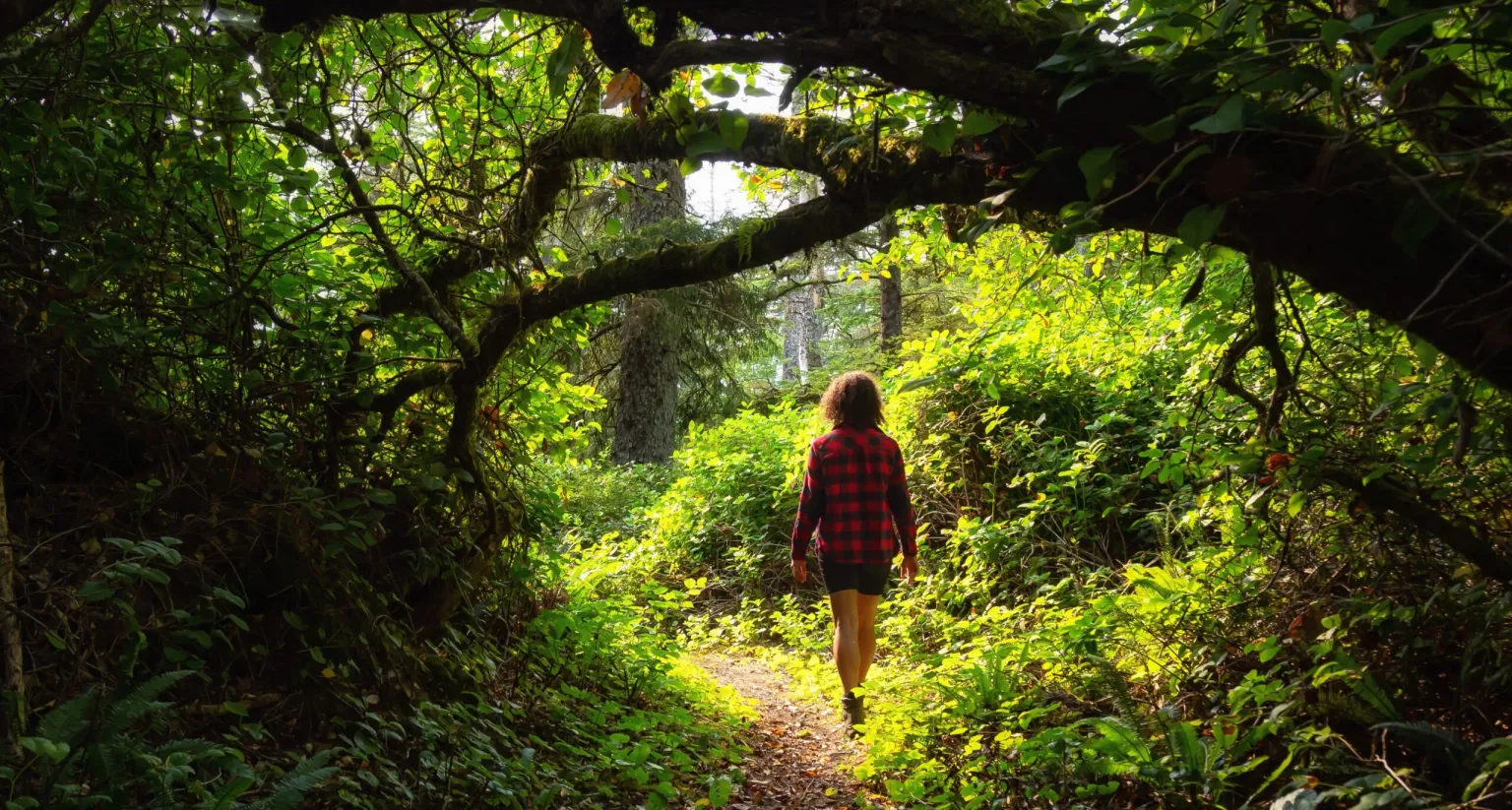 Shorter guided forest walks and birding excursions in Bwindi’s buffer zones or around Lake Bunyonyi are perfect for younger children. These activities are safe, relaxing, and educational, introducing kids to nature without the intensity of a full trek.
Can Exceptions Be Made for Mature Teenagers Under 15?
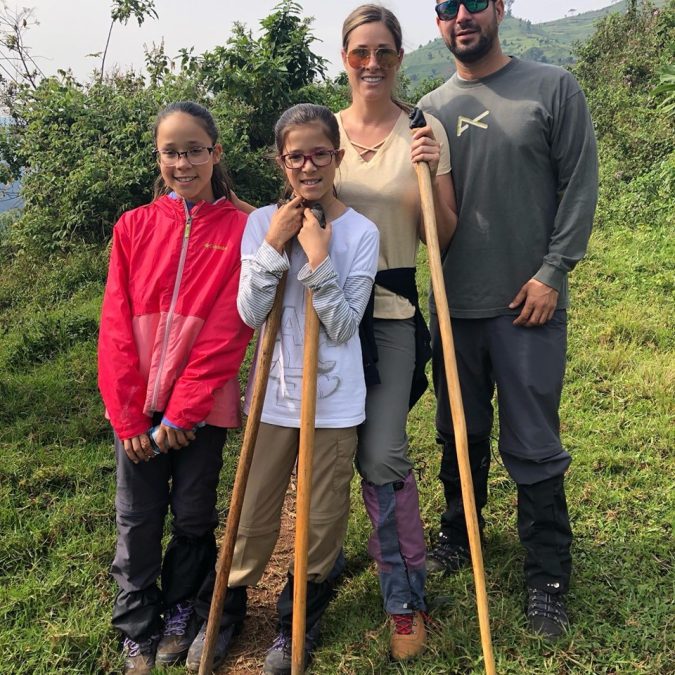
In very rare circumstances, the Uganda Wildlife Authority (UWA) may allow a child aged 14 years to participate in gorilla trekking, but only under strict conditions. This exception is granted on a case-by-case basis and requires clear evidence that the child is both mature and physically capable of completing the trek safely.
For approval, parents or guardians must submit a formal written request to UWA well in advance of the trek date. The request should explain why the exception is being sought — for example, if the child is only a few months shy of the age limit, is exceptionally fit, or if the family has already booked a private tour. Supporting details, such as proof of physical fitness or prior hiking experience, may strengthen the request.
The final decision lies entirely with the park warden or UWA headquarters. If approved, the child must be accompanied by a parent or legal guardian throughout the trek. Even then, the rangers will assess the child’s ability on the day of the trek — and if conditions seem unsafe, they may still decline participation for the child’s own well-being.
In contrast, Rwanda maintains a strict minimum age limit of 15 years for all gorilla trekking participants, with no exceptions permitted under any circumstances. This firm rule helps ensure both visitor safety and the protection of Rwanda’s mountain gorillas, who are highly sensitive to human presence.
Final Thought: Can children go gorilla trekking?
While young children cannot trek mountain gorillas, Uganda and Rwanda still offer some of the best family safari experiences in Africa. Combining wildlife safaris, community visits, and scenic exploration ensures everyone — from parents to young adventurers — enjoys the trip.
And when your children reach 15 or older, you can plan the ultimate return journey: a family gorilla trekking safari to meet the gentle giants face-to-face. It’s a life-changing experience worth waiting for.
Can children go gorilla trekking? Quick Summary
1. Can families with young children still visit Bwindi or Volcanoes National Park?
Yes. Families can stay in nearby lodges and enjoy cultural visits, birding, and scenic nature walks. Children can also take part in local community projects or visit nearby lakes like Lake Bunyonyi in Uganda for canoeing and relaxation.
2. What are the best family-friendly lodges near gorilla parks?
Some great options include:
-
Bwindi: Buhoma Lodge, Mahogany Springs, Gorilla Safari Lodge
-
Volcanoes National Park: Five Volcanoes Boutique Hotel, Da Vinci Gorilla Lodge, Mountain Gorilla View Lodge
These lodges offer spacious family rooms, warm hospitality, and child-friendly meals.
3. Is it possible for parents to trek while kids stay behind?
Yes. Many lodges offer childcare or guided activities while parents go trekking. You can hire a babysitter, or the lodge can organize nature walks and crafts for kids during your trek.
4. Can children join other wildlife safaris in Uganda or Rwanda?
Absolutely! Children of all ages can enjoy game drives, boat cruises, and cultural visits. Both Uganda and Rwanda are very safe destinations for family travel.
5. What’s the best age to plan a family gorilla trekking safari?
The ideal age is 15 years and above — when teens are physically fit, can follow ranger instructions, and truly appreciate the magnitude of meeting wild gorillas up close.