Best Time Gorilla Trekking Uganda
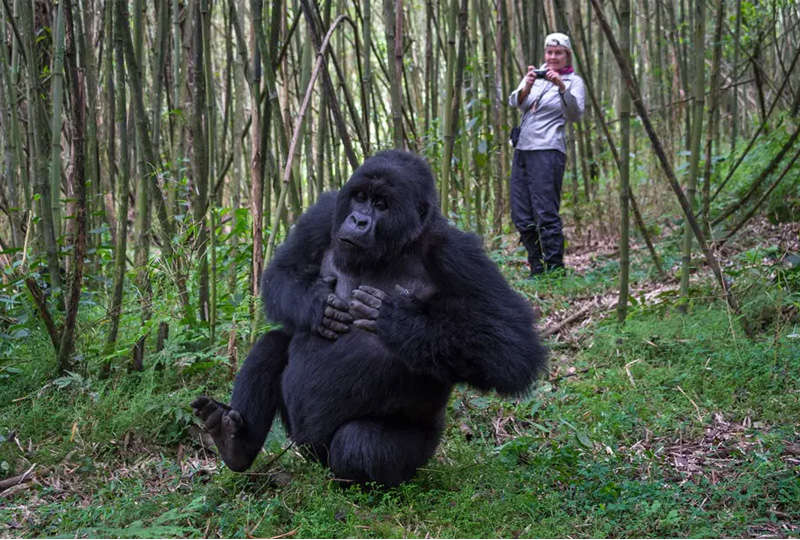
Gorilla trekking in Uganda is a bucket-list adventure for wildlife lovers, offering an awe-inspiring chance to observe endangered mountain gorillas in their lush, natural habitat. Uganda’s two gorilla destinations—Bwindi Impenetrable National Park and Mgahinga Gorilla National Park—welcome visitors throughout the year, but the timing of your trek can greatly influence the quality of your experience.
Although gorilla trekking is possible in every season, factors such as weather patterns, trail conditions, gorilla movements, and tourist numbers all play important roles in determining the ideal time to visit. Uganda’s tropical climate means rainfall varies at different times of the year, which can affect hiking difficulty, visibility in the forest, and even photography opportunities.
Understanding the advantages and challenges of each season will help you choose the perfect time to embark on your gorilla trekking journey—ensuring you enjoy an unforgettable encounter with these extraordinary primates.
1. Dry Seasons – The Ideal Time
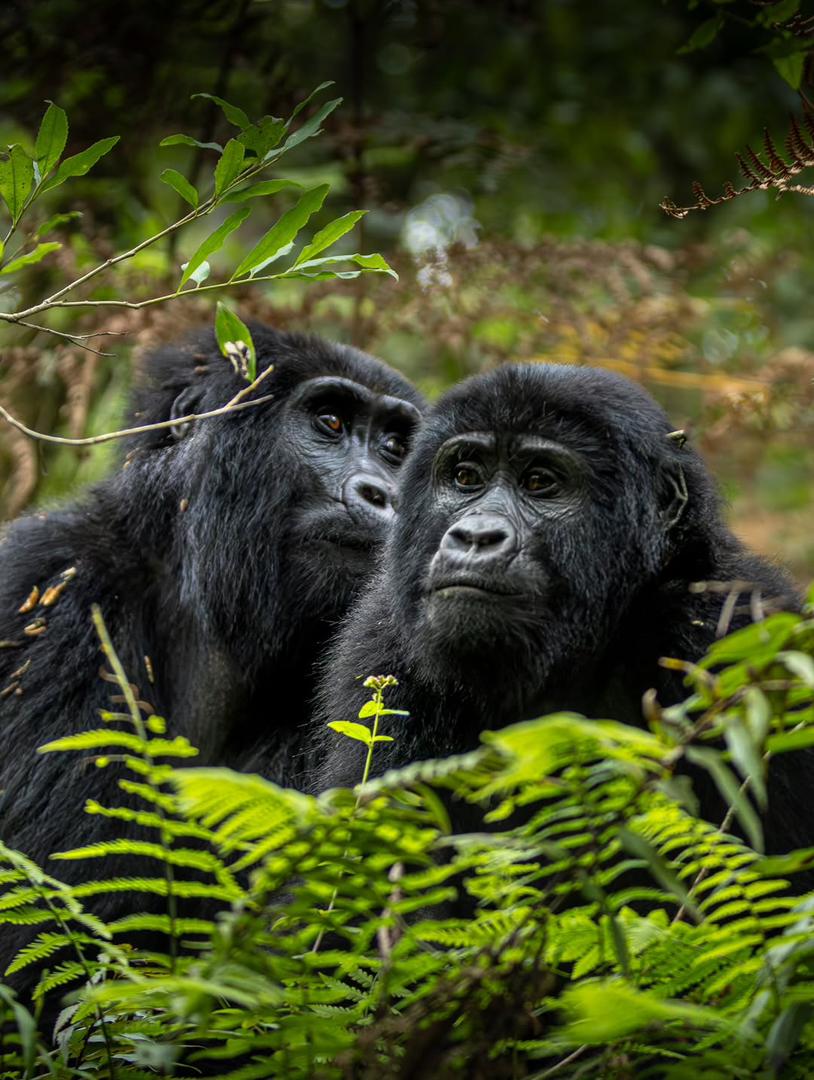 The dry seasons are widely considered the best time for gorilla trekking in Uganda. These periods generally include:
-
June to September
-
December to February
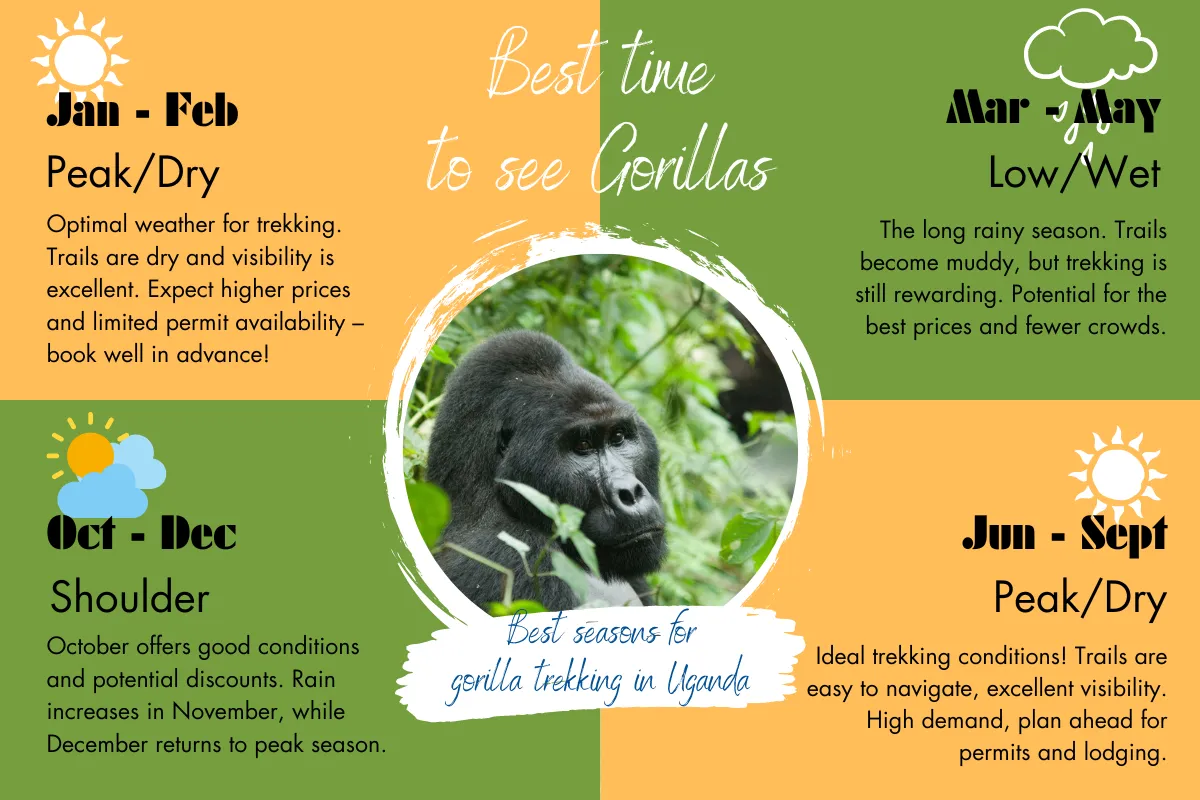
During these months, the trails are drier and easier to navigate, making the trek more comfortable and less physically taxing. Clear skies and minimal rain provide excellent visibility for spotting gorillas, taking photographs, and enjoying the stunning forest scenery. Trekking during the dry season also reduces the risk of muddy trails and slippery slopes, allowing for safer and more enjoyable hikes.
Dry season visits tend to coincide with peak tourist periods, so it is important to book gorilla permits well in advance. Limited daily permits are available to protect the gorillas and ensure a quality trekking experience, so early booking guarantees your preferred dates and sectors.
2. Rainy Seasons – A Lush and Scenic Option
Uganda also experiences two rainy seasons:
-
March to May
-
October to November
Although the trails can be muddy and slippery, the forests are exceptionally green, vibrant, and full of life during this time. Gorilla sightings remain excellent, and fewer tourists mean a more intimate trekking experience. The rains make rivers swell and waterfalls flow, enhancing the beauty of the forest landscapes.
If you plan to trek during the rainy season, it is essential to have a sturdy 4×4 vehicle for transport and to bring waterproof clothing and hiking boots. Hiring a local porter can also help navigate difficult terrain and carry extra gear, making the trek safer and more enjoyable.
3. Considerations for Wildlife and Birding
Uganda’s gorilla trekking destinations—especially Bwindi Impenetrable National Park and Mgahinga Gorilla National Park—offer far more than just gorilla encounters. These parks are rich ecosystems filled with diverse wildlife, hundreds of bird species, and lush vegetation that changes beautifully with the seasons. Understanding how different times of the year affect wildlife activity and birding opportunities can help you plan a more rewarding trekking experience.
During the dry season, wildlife movements become slightly more predictable because animals gather around remaining water sources. This makes it easier to spot forest creatures such as monkeys, duikers, and sometimes forest elephants along or near the trekking trails. However, the dry season can be less ideal for birdwatching. Many bird species become less vocal and less active, making sightings a bit more challenging. Migratory species are also less common during this time.
In contrast, the rainy season transforms Uganda’s forests into vibrant, green sanctuaries bursting with life. This is the period when most bird species are at their most active, thanks to increased food availability, nesting behaviors, and the arrival of migratory birds. For avid birders, the rainy months (especially March–May and October–November) offer exceptional opportunities to spot rare or colorful species unique to the Albertine Rift. The lush vegetation also makes this season a photographer’s dream, providing dramatic backdrops, rich colors, and misty forest scenes.
The rainy season also brings heightened activity among other primates, such as L’Hoest’s monkeys, blue monkeys, and golden monkeys (in Mgahinga). Though trekking conditions may be more challenging due to muddy trails, the overall forest experience is incredibly immersive and rewarding.
4. Planning Around Your Schedule
 Regardless of the season, successful gorilla trekking requires thoughtful planning to ensure you get the most out of your experience. While the dry months are ideal for trekking, your personal schedule, budget, and travel goals will also influence your timing. Here are key factors to consider as you plan:
Availability of Gorilla Permits
Gorilla permits are limited to a strict number of visitors per day to protect the gorillas and their habitat.
-
High-demand months (June–September & December–February): Permits sell out quickly and should be booked 3–6 months in advance.
-
Low-demand months (March–May & October–November): Easier to secure permits, sometimes with discounted lodge rates.
Booking early ensures you get your preferred trekking sector and date.
Transportation Logistics
Your entry point into Uganda will determine the convenience and cost of reaching the trekking destination.
-
From Entebbe/Kampala: The journey to Bwindi or Mgahinga takes 8–10 hours by road. A domestic flight to Kihihi or Kisoro can reduce travel time significantly.
-
From Kigali, Rwanda: Many travelers prefer the 3–4 hour scenic drive to southern Bwindi sectors (Rushaga or Nkuringo). This option is faster and ideal for shorter itineraries.
Choosing a route that matches your travel time and comfort is essential.
Choosing the Right Trekking Sector
Bwindi has four major sectors—Buhoma, Ruhija, Rushaga, and Nkuringo—each offering a unique terrain and gorilla families.
-
Buhoma: The original park entrance; easier trails and popular lodges.
-
Ruhija: Higher altitude; great for birders and nature lovers.
-
Rushaga: Many gorilla families; good availability of permits.
-
Nkuringo: Strenuous hikes but incredibly scenic and rewarding.
Selecting a sector helps determine your accommodation and transport arrangements.
Accommodation Planning
Choose a lodge close to your trekking starting point to avoid long morning drives.
-
High-end lodges offer comfort, private views, gourmet meals, and exclusive services.
-
Mid-range and budget lodges provide excellent value and local hospitality.
Booking early ensures you stay in the sector where your permit is issued—this is very important for timely arrival at the briefing point.
Conclusion
While Uganda offers gorilla trekking opportunities throughout the year, the dry seasons (June–September and December–February) are generally the most comfortable and accessible for most travelers. The rainy seasons offer lush scenery, fewer crowds, and unique wildlife experiences for those prepared to handle muddy trails. Choosing the right season for your trek, along with proper preparation, guarantees an unforgettable encounter with Uganda’s mountain gorillas, one of the world’s most treasured wildlife experiences.