
Ziwa Rhino Sanctuary
- Home
- Ziwa Rhino Sanctuary
Ziwa Rhino Sanctuary
Ziwa Rhino Sanctuary is a unique conservation success story located in Nakasongola District, about 176 km north of Kampala along the route to Murchison Falls National Park. Established in 2005 through a partnership between the Uganda Wildlife Authority and the Ziwa Rhino and Wildlife Ranch, the sanctuary was created to reintroduce rhinoceroses to Uganda after they were declared extinct in the country in the early 1980s due to poaching and civil unrest. Today, Ziwa is home to a growing population of southern white rhinos, making it the only place in Uganda where visitors can see rhinos in the wild.
Covering over 7,000 hectares of savannah and bushland, the sanctuary offers a secure and natural habitat where rhinos roam freely under 24-hour protection. Rhino trekking is the main activity here and provides a rare opportunity to approach these magnificent creatures on foot with experienced rangers who ensure safety while sharing insights into the rhinos’ behavior, biology, and conservation efforts. Beyond rhinos, the sanctuary hosts over 300 bird species, including the rare shoebill stork, as well as other wildlife such as bushbucks, waterbucks, and duikers, making it a haven for nature enthusiasts and birdwatchers alike.
Visitors to Ziwa Rhino Sanctuary not only enjoy memorable wildlife experiences but also contribute directly to conservation. Funds from tourism activities support the rhino breeding program and anti-poaching efforts, with the ultimate goal of reintroducing rhinos back into Uganda’s national parks. The sanctuary also offers comfortable accommodations and a restaurant, allowing visitors to spend the night and explore more activities such as birding, nature walks, and canoe rides. As a conservation landmark, Ziwa plays a vital role in restoring Uganda’s Big Five legacy, ensuring future generations can witness these iconic animals thriving in the wild once again.
Things to Do in Ziwa Rhino Sanctuary
1. Rhino Trekking on Foot
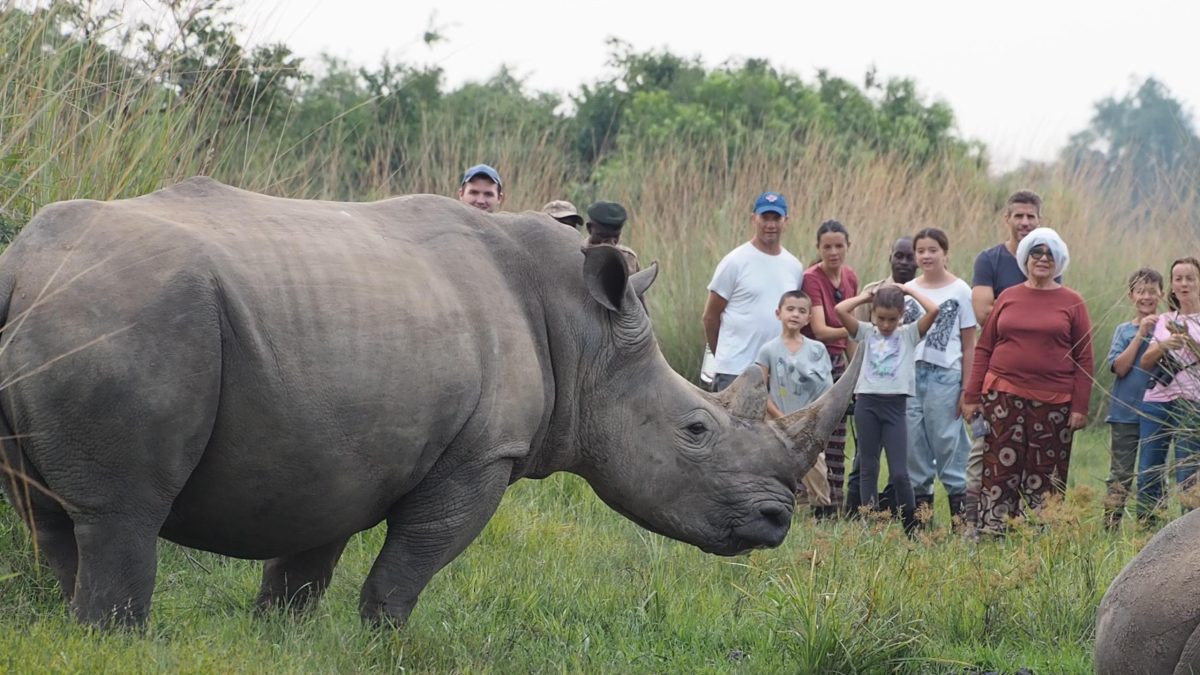
The highlight of any visit to Ziwa Rhino Sanctuary is the rhino trekking experience. This thrilling activity allows visitors to get up close to the southern white rhinos on foot, guided by experienced and armed rangers. The trek typically begins with a short briefing on safety and rhino behavior before setting off through the bush to track the rhinos’ location. As you approach these massive yet gentle giants, the rangers share fascinating insights about their diet, social structures, and conservation efforts. Rhino trekking usually takes about 1–2 hours and is suitable for all fitness levels, making it a must-do for wildlife lovers and photographers looking for an unforgettable experience.
2. Bird Watching
Ziwa Rhino Sanctuary is not just about rhinos; it is also a birdwatcher’s paradise, with over 300 recorded species. The sanctuary’s diverse habitats of woodlands, swamps, and savannah attract a wide range of birds, including rare and sought-after species like the shoebill stork, Abyssinian ground hornbill, and Goliath heron. Guided birding walks provide the perfect opportunity to spot both resident and migratory birds while learning about their unique calls and behaviors. Whether you are an avid birder or a casual enthusiast, bird watching at Ziwa offers a peaceful and rewarding experience.
3. Nature Walks and Wildlife Viewing
For visitors who want to explore beyond the rhinos, nature walks offer a chance to immerse yourself in the sanctuary’s natural beauty. Guided walks take you through grasslands, woodlands, and seasonal swamps where you might encounter bushbucks, duikers, waterbucks, monkeys, and other small mammals. The sanctuary’s lush scenery, combined with the thrill of spotting wildlife in its natural habitat, makes these walks a wonderful way to relax and connect with nature while learning about the local flora and fauna.
4. Canoe Rides in Lugogo Swamp
A visit to Ziwa isn’t complete without a canoe ride through the Lugogo Swamp, located within the sanctuary. This activity offers a serene and scenic exploration of the wetlands, home to a variety of birds, including the elusive shoebill stork. As you glide silently through the swamp, you’ll enjoy close encounters with water-loving wildlife and stunning photographic opportunities. The canoe rides are led by knowledgeable guides who make the experience both educational and enjoyable.
5. Night Walks
For adventurous travelers, night walks at Ziwa provide a unique perspective of the sanctuary after dark. Armed guides lead you on an exploration of the nocturnal world, where you might encounter creatures like bush babies, porcupines, mongoose, and various night birds. With the sounds of the African bush all around you, these walks offer a thrilling and atmospheric experience, perfect for those seeking something different during their visit.
Wildlife to See in Ziwa Rhino Sanctuary
1. Shoebill Stork
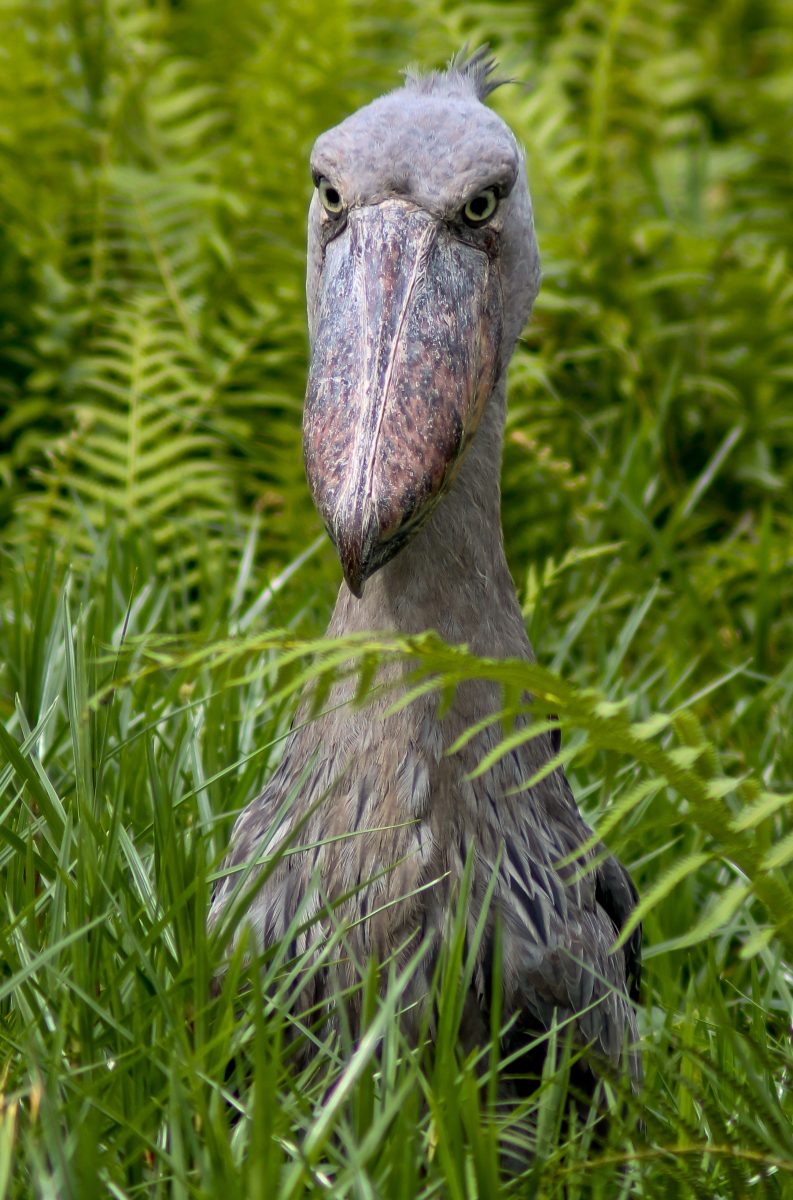
The shoebill stork is arguably one of the most sought-after bird species in East Africa, and Ziwa Rhino Sanctuary is one of the best places to see it in Uganda. This rare and prehistoric-looking bird, known for its massive shoe-shaped bill and statuesque hunting posture, thrives in the Lugogo Swamp within the sanctuary. Birding and canoe trips early in the morning offer the best chances of spotting the shoebill as it patiently stalks fish and frogs in the wetlands. Its elusive nature makes every sighting a memorable experience for birders and wildlife enthusiasts alike.
2. Southern White Rhinos
Ziwa Rhino Sanctuary is the only place in Uganda where you can see southern white rhinos in the wild. After their extinction in the 1980s due to poaching and civil unrest, the sanctuary has successfully reintroduced and protected these magnificent creatures. Guided on-foot rhino trekking experiences allow visitors to approach them safely, watch them graze in open grasslands, and learn about ongoing conservation efforts aimed at restoring Uganda’s Big Five status.
3. Antelopes and Other Herbivores
Ziwa Rhino Sanctuary is home to a rich diversity of herbivorous wildlife that thrives alongside the rhinos. Among the most commonly seen are bushbucks, duikers, oribis, and waterbucks, which move gracefully through the savannah and woodland areas. These antelopes are not only an integral part of the sanctuary’s ecosystem, grazing on grass, shrubs, and leaves, but they also play a crucial role in maintaining the balance of vegetation and providing prey for predators in the region. Visitors are often treated to the sight of these animals interacting naturally, whether leaping across grasslands, cautiously grazing near water sources, or resting under shaded trees during the hottest part of the day. Nature walks and rhino trekking trails offer excellent opportunities to observe these herbivores up close and capture striking photographs of their elegant movements and alert behaviors.
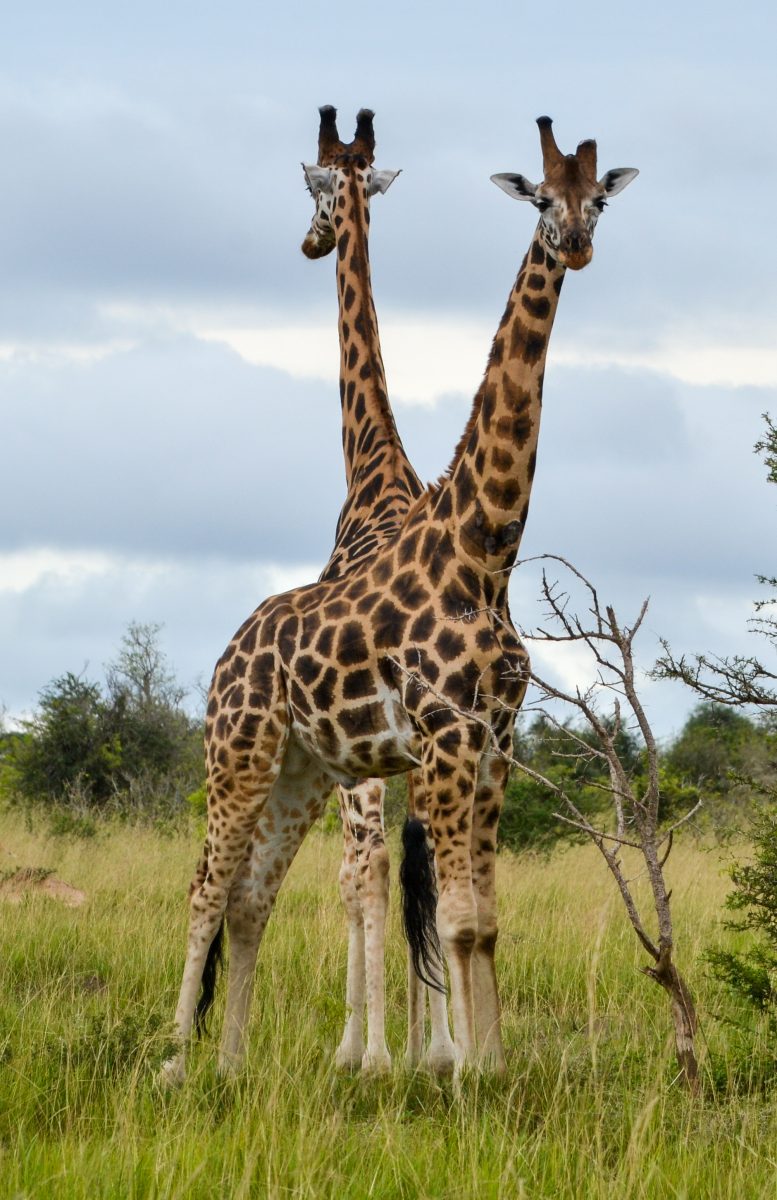
In recent years, Ziwa has expanded its wildlife conservation program by introducing giraffes and zebras into the sanctuary. The addition of giraffes, with their towering necks and graceful presence, has enhanced the safari experience and added a new dimension to wildlife viewing. Zebras, with their distinctive black-and-white stripes, now roam parts of the savannah, creating stunning visual contrasts with the surrounding greenery and other animals. These introductions were carefully planned to ensure compatibility with existing wildlife and to enrich the ecological diversity of the sanctuary. Observing giraffes browsing treetops or zebras grazing peacefully alongside antelopes gives visitors a sense of Uganda’s broader wildlife heritage and the sanctuary’s growing role in species restoration.
Beyond these more prominent species, Ziwa’s herbivore population also includes smaller mammals such as sitatunga, bush pigs, and various duiker species, which can often be spotted in the denser bush areas or along streams.
4. Primates
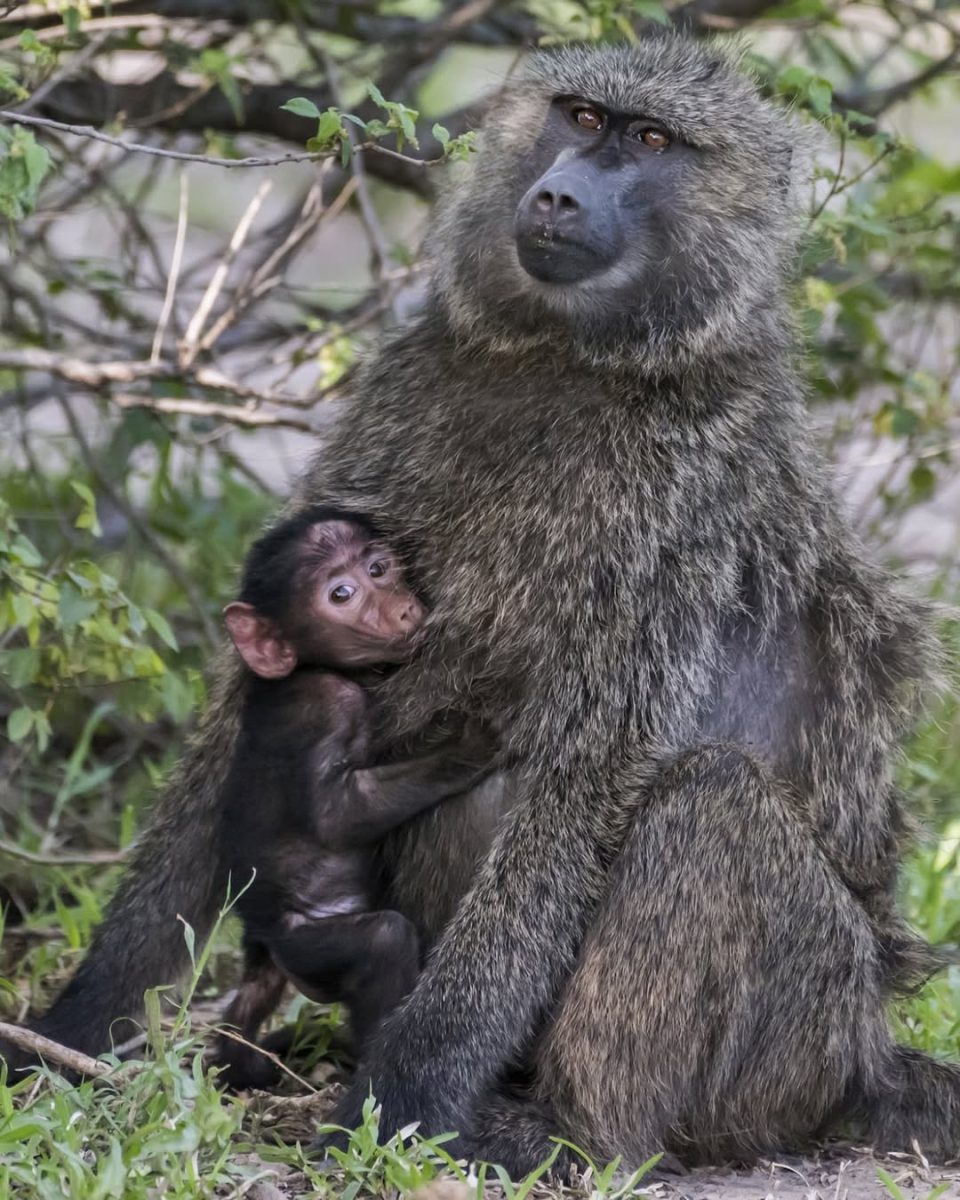
Ziwa Rhino Sanctuary is home to a diverse array of primates, making it a lively and fascinating place for wildlife enthusiasts. Commonly seen species include vervet monkeys, red-tailed monkeys, black-and-white colobus monkeys, blue monkeys, and occasionally olive baboons. These primates are often observed moving through trees, foraging along forest edges, or interacting in social groups, providing excellent opportunities for photography and observation. Smaller species like L’Hoest monkeys can also be spotted in the denser woodland areas. Their playful behavior, vocal calls, and interactions with one another add energy to the sanctuary and highlight the ecological importance of primates in seed dispersal and forest regeneration. Guided walks and treks allow visitors to observe these intelligent and social creatures in their natural habitats, making Ziwa a prime destination for primate lovers.
5. Reptiles and Amphibians
Ziwa Rhino Sanctuary’s wetlands, swamps, and woodland areas provide a home for a variety of reptiles and amphibians, which contribute to the sanctuary’s rich biodiversity. Common reptiles include monitor lizards, Nile crocodiles in the wetter areas, and various small skinks and terrapins, while amphibians such as tree frogs, reed frogs, and toads thrive in the swampy habitats. Though these creatures are less conspicuous than larger mammals and birds, they play essential roles in the ecosystem, controlling insect populations and serving as prey for birds and other predators. Visitors can often spot them during nature walks, rhino trekking, or canoe trips through the Lugogo Swamp, where the combination of water, vegetation, and quiet observation increases the chances of seeing these elusive species. For wildlife enthusiasts, these reptiles and amphibians add an extra layer of fascination to Ziwa, showcasing the sanctuary’s ecological complexity beyond the more prominent mammals and birds.
Where to Stay in Ziwa Rhino Sanctuary
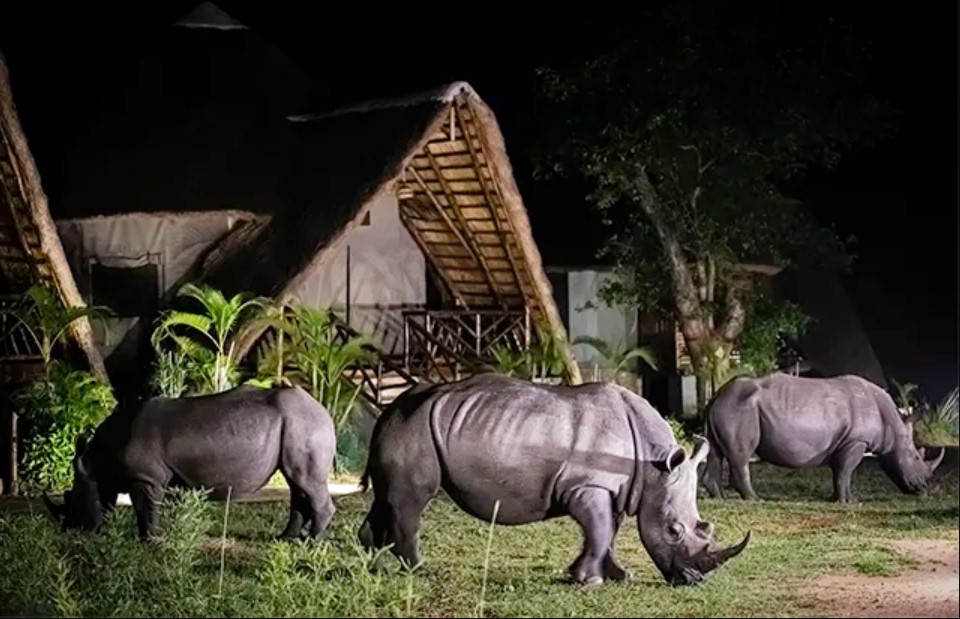
1. Ziwa Rhino Lodge
Located within the sanctuary, Ziwa Rhino and Wildlife Ranch is the most convenient option for visitors wanting to be close to the wildlife. The ranch offers a variety of accommodations to suit different preferences, including luxury chalets, guest rooms, and campsites. The luxury chalets feature modern amenities, comfortable beds, and access to a swimming pool and restaurant, while guest rooms cater to singles, couples, and families. For those seeking an immersive nature experience, the campsite allows guests to sleep under the stars and wake up to the sounds of the African bush. Staying at the ranch gives travelers immediate access to rhino trekking and other sanctuary activities.
2. Amuka Safari Lodge
Situated just outside the sanctuary, Amuka Safari Lodge blends comfort with a bush experience. The lodge features spacious unfenced chalets that allow for a close connection to the surrounding environment while maintaining luxury comforts. Guests can enjoy a swimming pool, on-site restaurant, and bar, making it an ideal choice for relaxation after a day of wildlife activities. The lodge also offers guided rhino tracking, bird watching, and nature walks, ensuring visitors can make the most of their stay while exploring Ziwa’s rich biodiversity.
4. Budget Options
For travelers seeking affordable accommodations, there are several options near Ziwa Rhino Sanctuary. New Court View Hotel in Nakasongola and Gulu Highway Motel along the Gulu highway provide basic lodging with essential amenities. Additionally, Ziwa Rhino Campground allows for camping near the sanctuary, offering an adventurous experience for budget-conscious visitors who still want to be close to wildlife.