
Mount Elgon National Park
- Home
- Mount Elgon National Park
Mount Elgon National Park
Mount Elgon National Park straddles the Uganda–Kenya border, with the larger share of the mountain and its caldera on the Ugandan side. It lies approximately 235 kilometers east of Kampala, Uganda’s capital, and about 140 kilometers north of Kisumu in Kenya. The park is characterized by spectacular landscapes, including cliffs, caves, gorges, hot springs, and the world’s largest volcanic caldera, which measures roughly 50 kilometers in diameter. Its varied altitudes create distinct vegetation zones, from dense montane forests at lower elevations to the giant lobelias and groundsels found at higher altitudes above 3,500 meters.
History of Mount Elgon National Park
Mount Elgon National Park has long been an important natural and cultural landmark. It became a forest reserve in the early 20th century before being gazetted as a national park in 1993 to protect its unique flora, fauna, and watershed system. The park’s history is intertwined with local communities, including the Bagisu people who live on its lower slopes. The Bagisu practice the famous Imbalu circumcision ritual every even year, a cultural event that attracts visitors from around the world. Beyond its cultural significance, the park plays a critical ecological role, providing water catchment for rivers that feed into Lake Victoria and sustaining agriculture for the surrounding communities.
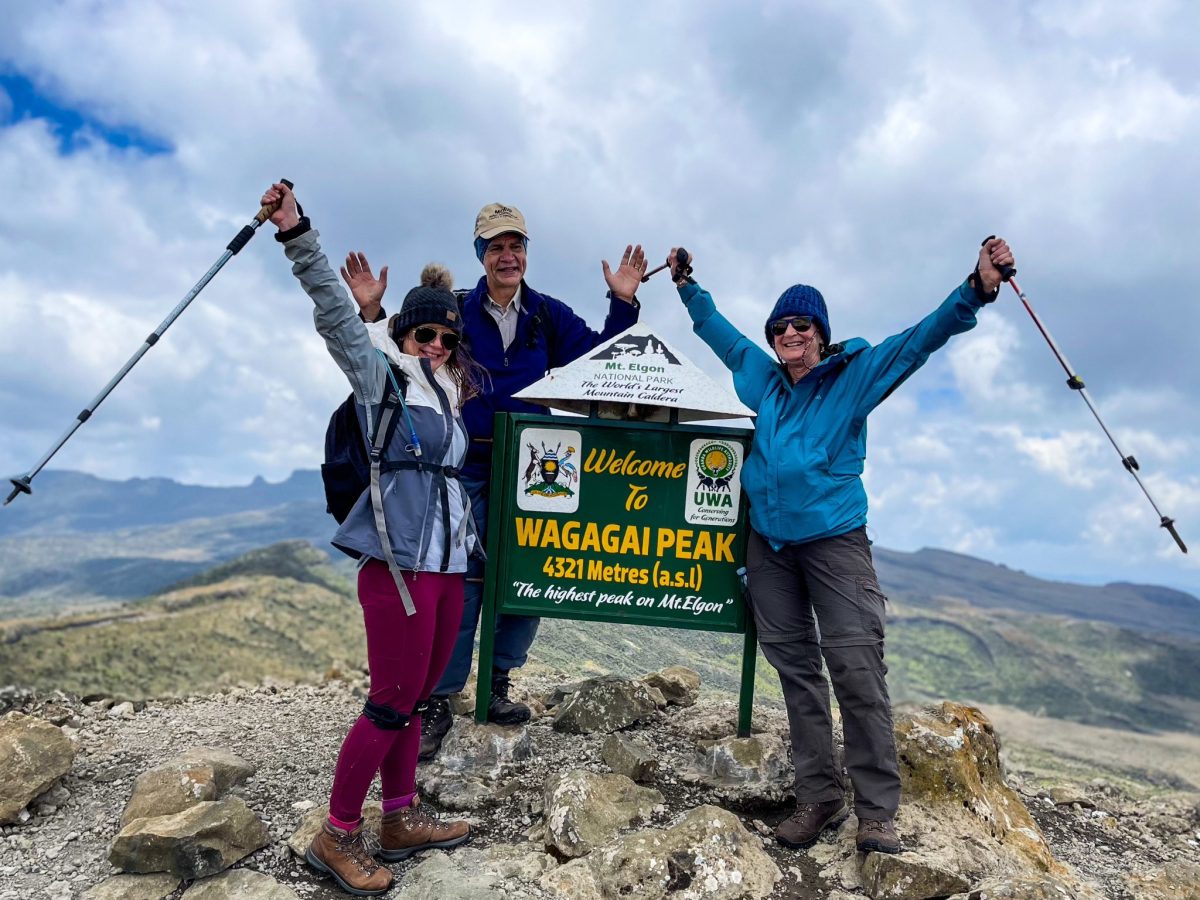
Mount Elgon National Park straddles the Uganda–Kenya border, with the larger share of the mountain and its caldera on the Ugandan side. It lies approximately 235 kilometers east of Kampala, Uganda’s capital, and about 140 kilometers north of Kisumu in Kenya. The park is characterized by spectacular landscapes, including cliffs, caves, gorges, hot springs, and the world’s largest volcanic caldera, which measures roughly 50 kilometers in diameter. Its varied altitudes create distinct vegetation zones, from dense montane forests at lower elevations to the giant lobelias and groundsels found at higher altitudes above 3,500 meters.
Unique Features of Mount Elgon National Park
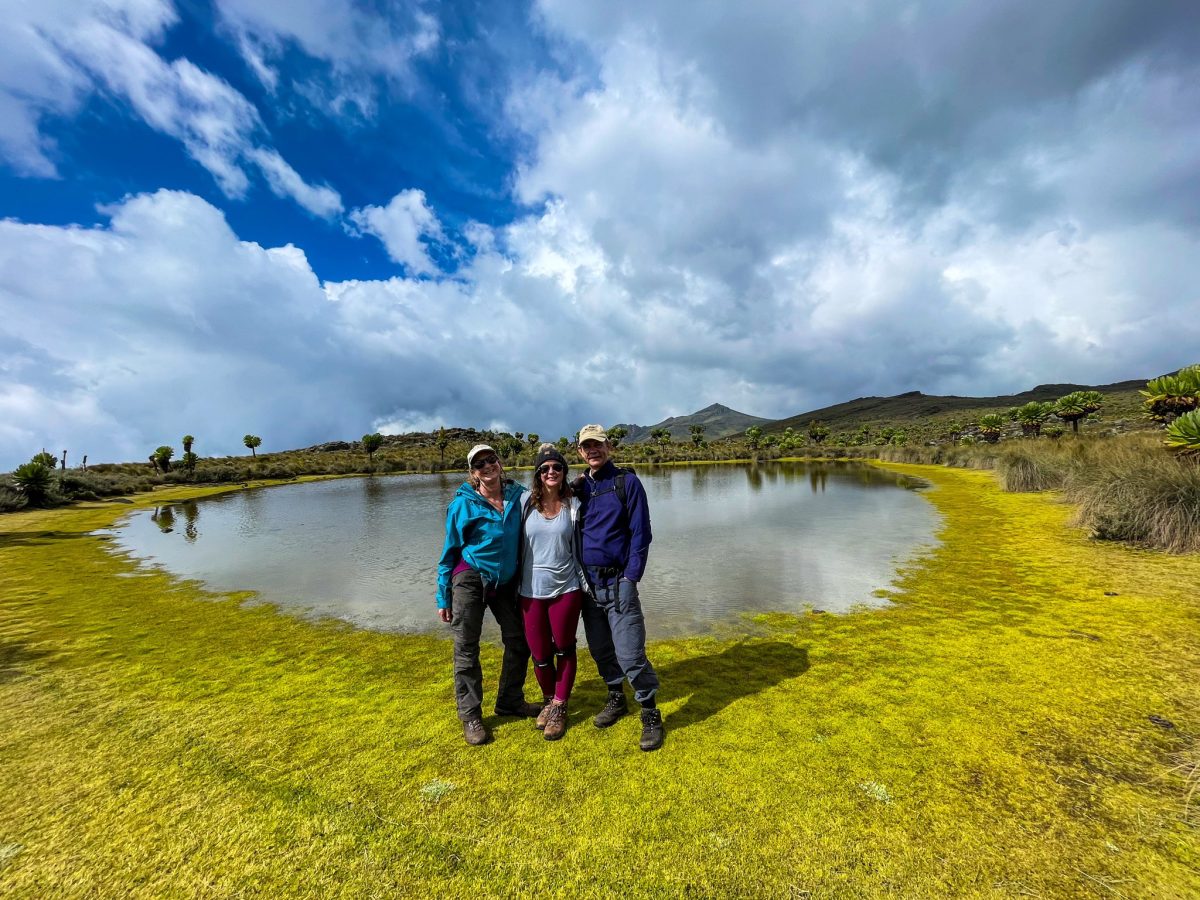
One of the park’s most striking features is its enormous caldera, a massive crater at the summit formed after volcanic eruptions millions of years ago. The caldera hosts several peaks, including Wagagai, Jackson’s Summit, and Kiongo, each offering spectacular trekking opportunities. Another highlight is the Sipi Falls, a series of three stunning waterfalls on the lower slopes, which have become a popular hub for travelers seeking scenic beauty and adventure.
The park is also famous for its extensive cave systems, such as Kapkwai and Kitum caves, where ancient communities once sheltered and where elephants still come to dig for salt-rich soils. Its high-altitude moorlands, towering cliffs, and unique plant species like giant groundsels and lobelias give the park a dramatic and otherworldly atmosphere.
Wildlife in Mount Elgon National Park
While Mount Elgon is better known for its landscapes and hiking opportunities than big game safaris, it still harbors a variety of wildlife. Forested areas shelter animals such as blue monkeys, black-and-white colobus monkeys, bushbucks, duikers, and giant forest hogs. Buffaloes and elephants roam the slopes, although sightings are less common compared to Uganda’s savannah parks.
Birdwatching is exceptional here, with over 300 bird species recorded. These include the endangered Lammergeyer (bearded vulture), African goshawk, Tacazze sunbird, and Hartlaub’s turaco. The park’s altitudinal range supports both lowland and montane bird species, making it a paradise for ornithologists and bird enthusiasts.
Things to Do in Mount Elgon National Park
Mountain Hiking and Trekking
The park’s main attraction is trekking to Wagagai Peak or exploring shorter trails across the slopes and caldera. Multi-day hikes take visitors through bamboo forests, montane vegetation, and the spectacular caldera rim. Unlike other East African mountains, climbing Mount Elgon does not require technical gear, making it accessible to trekkers with moderate fitness levels.
Sipi Falls Exploration
Just outside the park, the Sipi Falls area offers breathtaking hikes to three cascading waterfalls. Visitors can swim at the base, enjoy panoramic views over the Karamoja plains, and experience guided walks through coffee plantations on the mountain’s fertile slopes.
Cave Visits
The park’s caves, including Kapkwai and Khauka caves, provide fascinating excursions. Historically used as shelter by pastoralists, these caves are now famous for their salt-rich deposits, which attract wildlife like elephants in search of natural minerals.
Birdwatching Safaris
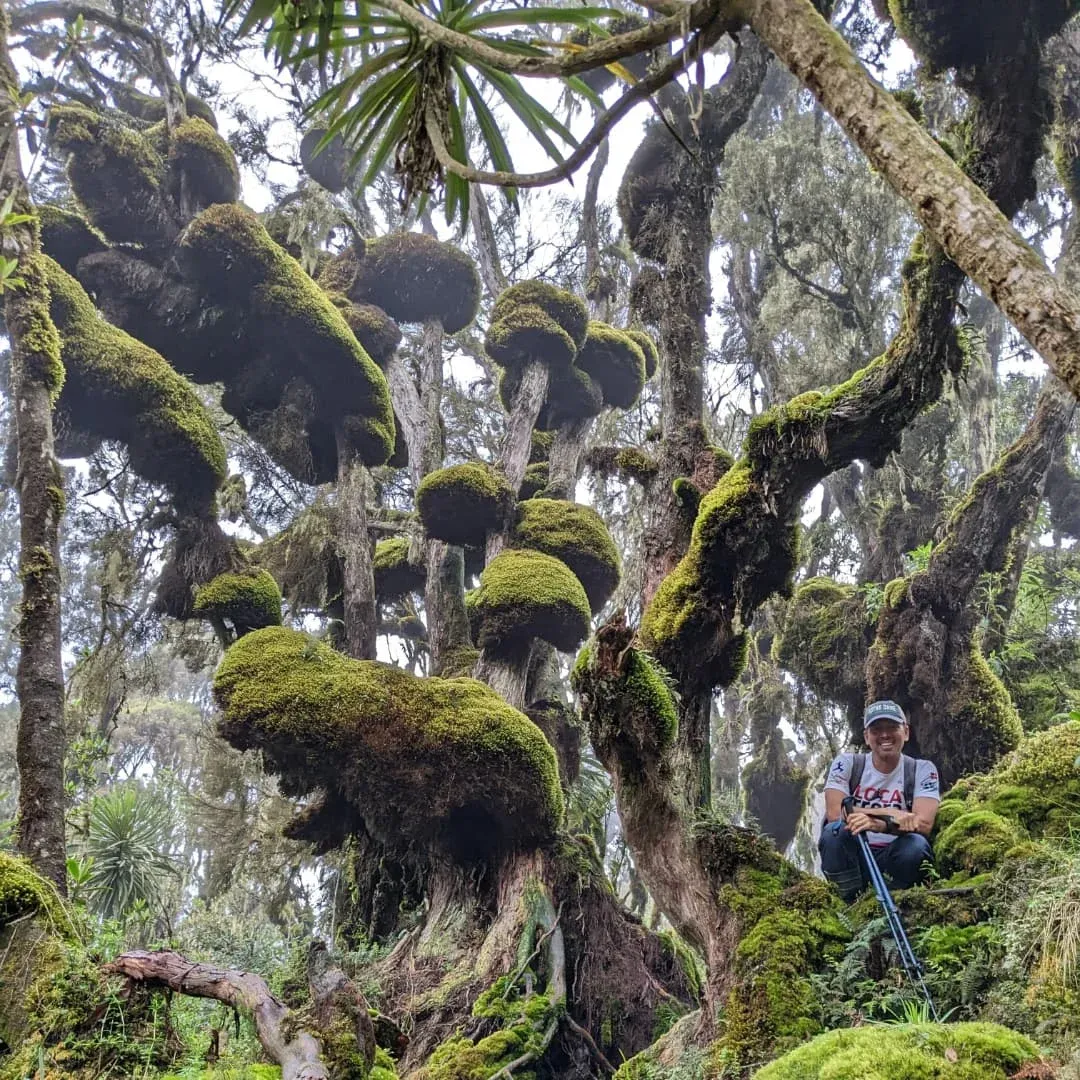
Mount Elgon’s diverse habitats support a wealth of birdlife, making it one of Uganda’s top birding destinations. Guided birding walks offer chances to spot species unique to the area, from forest specialists to high-altitude endemics.
Cultural Encounters
Visitors can immerse themselves in the traditions of the Bagisu people through cultural tours that showcase the Imbalu circumcision ceremonies, traditional dances, and local food experiences. Coffee tours on the mountain slopes also reveal how Arabica coffee is grown, harvested, and processed in this fertile region.
Hiking Trails in Mount Elgon National Park
Mount Elgon National Park is a hiker’s paradise, offering a variety of trails that wind through forests, moorlands, cliffs, and the world’s largest volcanic caldera. Each trail presents its own charm, from multi-day treks to short day hikes, allowing visitors to choose based on their fitness level, time, and interest.
Sasa Trail
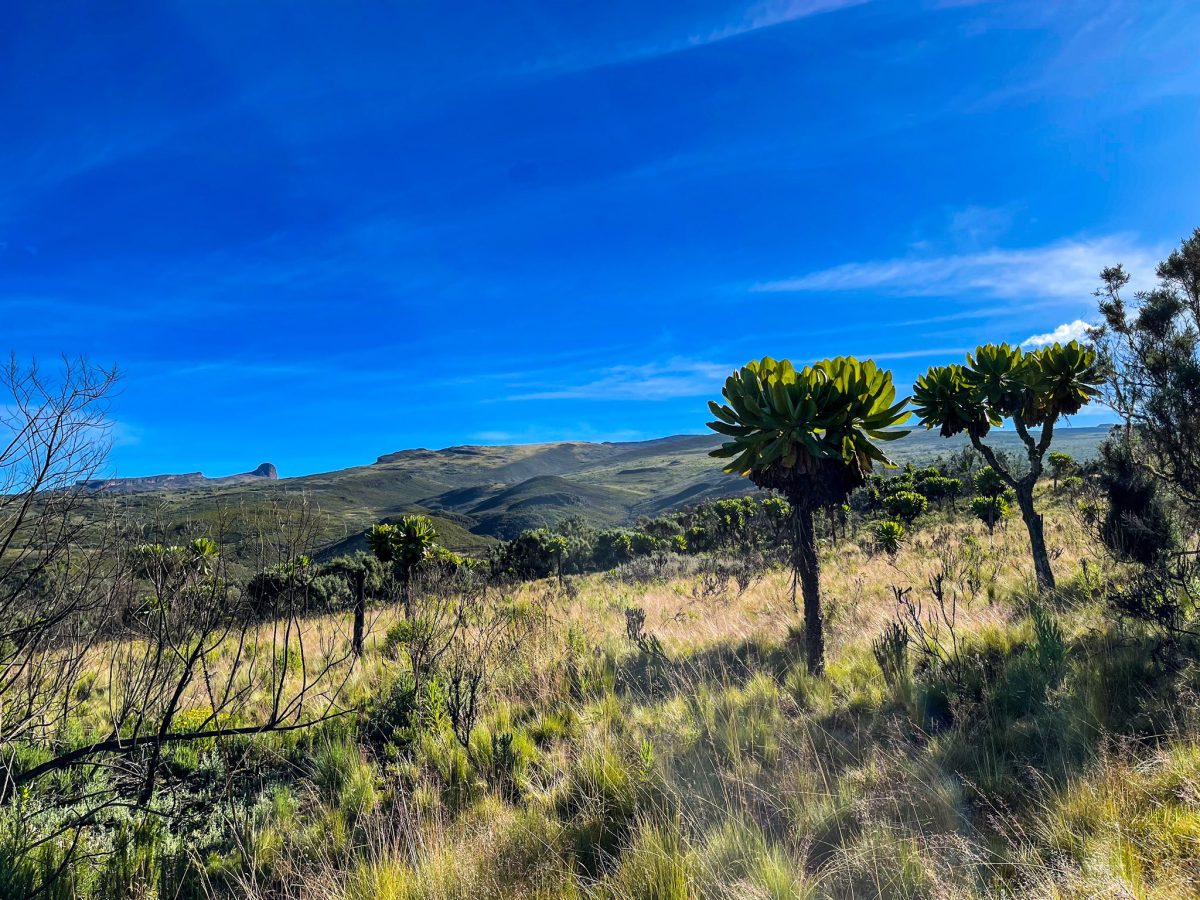
The Sasa Trail is the most direct route to the summit of Mount Elgon, starting from Budadiri town in Sironko district. This challenging trail begins with a steep ascent up the Wall of Death, a dramatic name for the rugged cliffside climb that rewards hikers with sweeping views of the surrounding countryside. The trail takes you through the lush montane forest before reaching the bamboo zone and eventually the heath and moorlands near the summit. It typically takes four days to complete the round trip, making it the shortest but most physically demanding route to Wagagai Peak.
Sipi Trail
The Sipi Trail begins near the famous Sipi Falls, one of Uganda’s most stunning natural attractions. This route offers a more gradual climb compared to Sasa, winding through farmlands, forests, and scenic ridges. Hikers using this trail often enjoy breathtaking views of the cascading waterfalls before entering the park’s wilderness. The Sipi Trail generally takes about four to six days to reach the summit and return, making it ideal for those who want to combine adventure with sightseeing along the way.
Piswa Trail
For hikers who prefer a quieter and less crowded experience, the Piswa Trail is the perfect choice. Starting near Kapkwata on the northern side of Mount Elgon, this route offers a gentle ascent through bamboo forests and open moorlands, providing stunning vistas of the Karamoja plains and the distant peaks of Mount Kadam and Mount Moroto. The trail is known for its wildlife encounters, including the possibility of spotting forest antelopes and numerous bird species. A round trip via the Piswa Trail usually takes about seven days, offering a slower-paced but equally rewarding adventure.
Trail Management at Mount Elgon
Trail management at Mount Elgon National Park is overseen by the Uganda Wildlife Authority (UWA) in collaboration with local communities and conservation organizations. These efforts focus on maintaining the safety, sustainability, and accessibility of hiking routes while preserving the park’s delicate ecosystems. Trails are clearly marked and regularly monitored to prevent overuse and minimize environmental impact. Park rangers and guides also conduct routine patrols to ensure visitor safety, monitor wildlife, and assist hikers if needed.
Local communities play a significant role in trail upkeep through programs that employ residents as porters, guides, and eco-tourism stewards. This not only provides income for the surrounding villages but also encourages conservation awareness among locals. In addition, rules such as designated camping sites, waste disposal guidelines, and restrictions on off-trail hiking help reduce habitat disturbance and protect wildlife. All hikers are required to register at the park offices, which also serve as information centers offering maps, permits, and advice before trekking begins.
How to Hike Mount Elgon
Hiking Mount Elgon requires good preparation, especially for those planning to summit Wagagai Peak, the highest point at 4,321 meters. The first step is to choose the trail that suits your time, fitness level, and interests—whether it’s the challenging Sasa Trail, the scenic Sipi Trail, or the less-crowded Piswa Trail.
Before starting your trek, you must obtain a hiking permit from the Uganda Wildlife Authority. The park provides trained guides and porters to assist with navigation, carrying supplies, and setting up campsites. Multi-day treks require hikers to spend nights at designated camps such as Mude Camp or Piswa Camp, where basic shelter and water points are available.
The best time to hike Mount Elgon is during the dry seasons from June to August and December to February, when the trails are less muddy and easier to navigate. Proper gear is essential—hikers should bring warm clothing for cold nights, sturdy hiking boots, rain gear, and enough food supplies for the journey. For those who prefer shorter hikes, the park offers day trips to Sipi Falls, Endebess Bluff, and forest caves, all led by experienced guides who ensure safety while enriching the experience with knowledge about the park’s flora, fauna, and history.
Where to Stay Before and After Hiking Mount Elgon
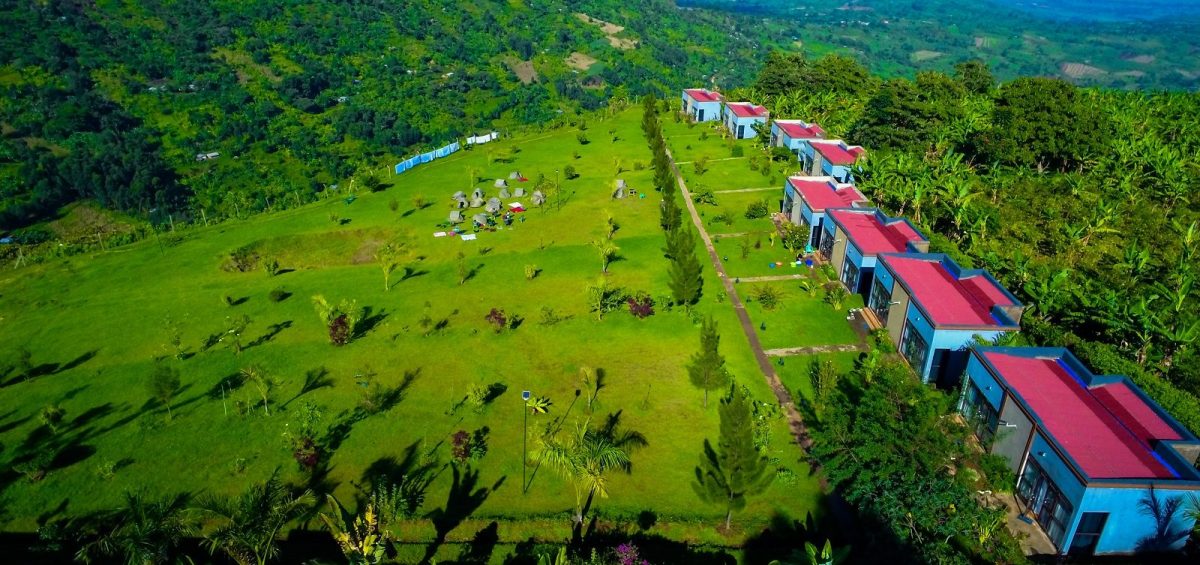
When planning a trek on Mount Elgon, choosing the right accommodation before and after the hike can greatly enhance your overall experience. Most hikers prefer to stay in nearby towns like Mbale or Kapchorwa, as well as lodges close to the park gates for easy access to trailheads such as Sipi, Budadiri, and Kapkwata. These locations offer a wide range of options to suit different budgets and comfort levels, from simple guesthouses to luxury eco-lodges.
For hikers starting with the Sasa Trail, which begins at Budadiri, Mbale town offers a good base with comfortable hotels, restaurants, and services where you can rest, stock up on supplies, and meet guides or porters before heading to the park. On the other hand, those taking the Sipi Trail often stay near the iconic Sipi Falls, where accommodations range from mid-range lodges with breathtaking views of the falls to budget-friendly campsites perfect for nature lovers.
After completing the trek, many hikers choose to relax in the scenic Sipi Falls area to unwind and take in the stunning scenery before heading back to Kampala or other destinations in Uganda. Some lodges even offer activities like coffee tours, waterfall hikes, and cultural visits, making them ideal for extending your adventure beyond the mountain. Whether you want luxury comfort, mid-range convenience, or budget-friendly stays, the area around Mount Elgon provides options for every traveler to relax before and after the thrilling hike.
Mount Elgon National Park Hiking Tours
Other Selling Tours & Safaris
15 días de safari wildlife en Uganda y Ruanda
5 Days Gorilla trekking & Chimpanzee Trekking Tour.
6 Days Rwanda Primates Safari
1 Day Bwindi Gorilla Trekking
11 Days Uganda & Rwanda Safari
12 Days Rwanda Luxury Flying Safari
7 Days Experience Rwanda Safari
9 Days Uganda Safari Vacation
5 Days Murchison Falls & Bwindi Gorilla Safari
2 Days Bwindi Gorilla trek Via Rwanda
3 Days Rwanda Gorilla and Golden Monkey Tracking
8 Days Rwanda Safari
9 Days Rwanda Safari Tour
7 Days Uganda Gorilla and Chimpanzee Trekking
13 Days Classic Uganda Safari Adventure
10 Days Rwanda and Uganda Gorilla Safari
15 Days Best of Uganda Safari
19 Days Uganda Birding & Gorilla Trekking