Gorilla Trekking Cost – A complete Guide to Permits and Prices
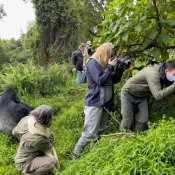
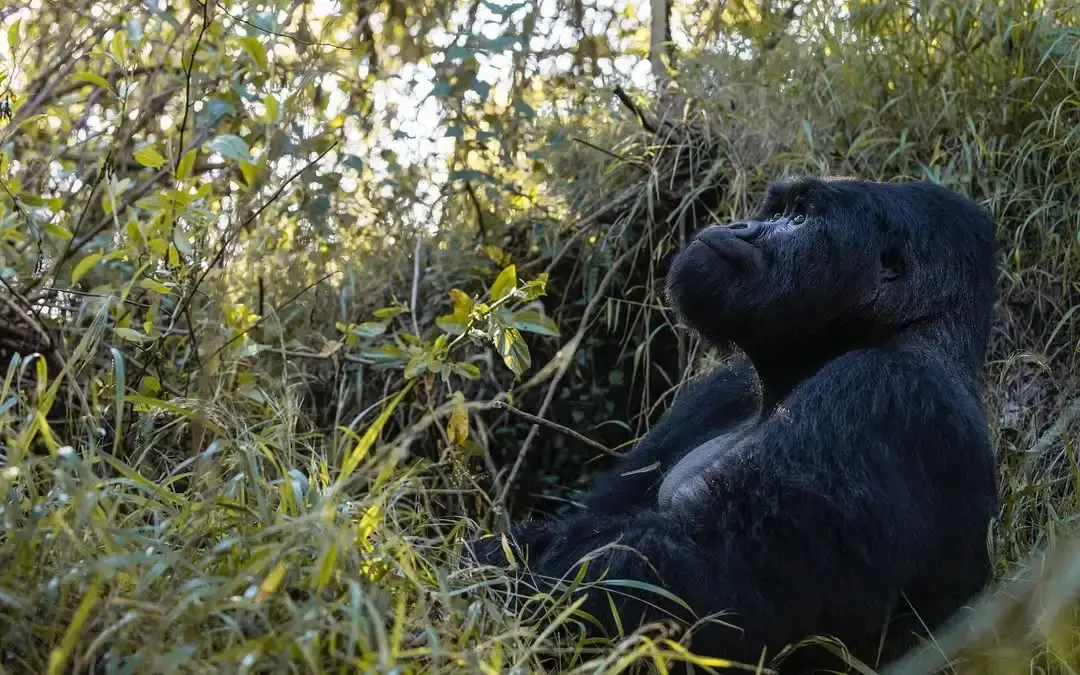
Gorilla trekking is not just a safari activity — it’s one of the most transformative wildlife experiences on Earth. Few adventures compare to standing a few meters away from a massive silverback, watching him beat his chest, or observing a mother gently cradle her infant in the dense mist of a Central African rainforest.
Whether you’re drawn by Uganda’s ancient jungles, Rwanda’s volcanic slopes, or Congo’s untamed wilderness, trekking to see the endangered mountain gorillas is a privilege that comes with careful conservation management — and understandably, a significant cost.
Planning this once-in-a-lifetime encounter means understanding more than just the price of a permit. You’ll need to factor in park fees, logistics, transportation, accommodation, and community contributions that all ensure the sustainability of gorilla tourism.
In this detailed guide, we’ll break down everything you need to know about gorilla trekking costs in 2025 — including:
-
Country-by-country permit prices (Uganda, Rwanda, and DRC)
-
What your permit actually includes
-
Additional expenses to budget for
-
The differences in experience and accessibility between destinations
-
Practical tips on how to make the most of your trek
By the end, you’ll have a clear understanding of how much gorilla trekking truly costs — and why every dollar spent goes toward protecting one of the rarest and most majestic creatures on the planet.
Gorilla Trekking Cost by Country
The gorilla trekking permit is the most crucial — and often the most expensive — part of your journey. It grants you official permission to spend one magical hour with a habituated gorilla family in their natural habitat, guided by experienced rangers and trackers who ensure both your safety and the gorillas’ well-being. The permit cost varies by country, reflecting different conservation investments, accessibility, and tourism models.
Uganda – Bwindi Impenetrable & Mgahinga Gorilla National Parks
In Uganda, gorilla trekking costs is USD 800 per person as of 2026. Uganda is home to over half of the world’s remaining mountain gorillas, distributed across more than 20 habituated families in Bwindi Impenetrable National Park and Mgahinga Gorilla National Park.
Uganda offers the unique Gorilla Habituation Experience, priced at USD 1,500, where visitors can spend up to four hours observing and learning about semi-habituated gorillas alongside researchers — a rare opportunity unavailable elsewhere.
Uganda’s terrain is diverse and lush, offering treks that range from easy to challenging. Besides gorillas, you can extend your safari to include wildlife adventures in Queen Elizabeth or Murchison Falls National Parks, making Uganda an all-around destination for nature and adventure lovers.
Rwanda – Volcanoes National Park
Rwanda offers the most luxurious and easily accessible gorilla trekking experience. The Gorilla Trekking Cost is USD 1,500 per person, reflecting the country’s focus on high-end, low-impact tourism. Volcanoes National Park, located just 2–2.5 hours from Kigali International Airport, is home to around 12 habituated gorilla families.
Rwanda’s trek routes are typically shorter and well-managed, ideal for travelers seeking comfort, efficiency, and an upscale experience. Lodges near the park, such as Bisate Lodge and Sabyinyo Silverback Lodge, redefine luxury eco-tourism. In addition to gorilla trekking, visitors can enjoy golden monkey tracking, Mount Bisoke hikes, or visits to the Iby’Iwacu Cultural Village — making Rwanda perfect for those who want a blend of culture, comfort, and wildlife.
Congo – Virunga National Park
For adventurers craving a raw and untamed experience, Congo’s Virunga National Park offers the most affordable gorilla trekking permits, ranging between USD 400 and USD 500. Despite being less visited, Virunga is Africa’s oldest national park and one of its most biodiverse, home to six or more habituated gorilla families.
Trekking here is a truly wild adventure — expect rugged volcanic terrain, dense rainforests, and the thrill of being far from mass tourism. Congo’s gorilla encounters are deeply intimate, with smaller trekking groups and unspoiled surroundings.
Beyond gorilla trekking, Virunga also offers the famous Mount Nyiragongo hike to one of the world’s largest lava lakes, chimpanzee habituation walks, and visits to the Senkwekwe Gorilla Orphanage — the only one of its kind in the world.
In summary: Uganda and Rwanda remain the top choices for most travelers — Uganda for its value and diversity, and Rwanda for its accessibility and luxury. Meanwhile, Congo’s Virunga National Park appeals to those seeking a more rugged, authentic, and budget-friendly adventure.
 2. Gorilla Habituation Experience Cost (Uganda Only)
For travelers who want to go beyond the standard one-hour encounter, Uganda offers something truly extraordinary — the Gorilla Habituation Experience. This exclusive activity gives you the rare opportunity to spend up to four unforgettable hours with a semi-habituated gorilla family, under the guidance of researchers, trackers, and rangers in Bwindi Impenetrable National Park.
Cost: USD 1,800 per person
Location: Rushaga in Bwindi Impenetrable National Park
Group Size: Strictly limited to 8 participants per day
Duration: Almost Full-day activity (including trekking time)
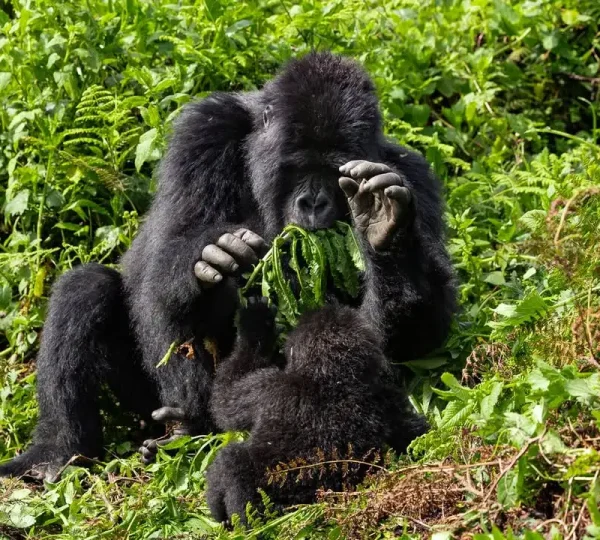
Unlike traditional gorilla trekking, where you visit fully habituated gorillas, the Gorilla Habituation Experience involves joining a small research team that works daily to gently accustom wild gorillas to human presence. This means you’ll witness raw, unscripted behaviors — from playful juveniles learning forest skills to silverbacks displaying dominance or mothers nursing their young.
The trek typically starts early in the morning and can take several hours, depending on the gorillas’ movements. Because these families are still being habituated, the experience feels wilder, more intimate, and incredibly authentic. It’s ideal for wildlife enthusiasts, conservation supporters, and photographers who want more time to observe and document the gorillas in their natural rhythms.
In addition to the extended time with gorillas, your permit contributes directly to conservation research and local community projects, helping sustain Uganda’s remarkable efforts in wildlife protection.
If you dream of connecting with gorillas in the most meaningful and immersive way possible, the Gorilla Habituation Experience in Uganda’s Bwindi Forest is simply the ultimate adventure.
3. What’s Included in a Gorilla Trekking Cost and What’s Not
When you purchase a gorilla trekking permit, you’re not just paying for an hour with these incredible primates — your fee supports a network of conservation, community, and tourism efforts that make the experience possible.
Here’s what your permit on the Gorilla Trekking Cost includes:
What’s Included
-
Guided Trek with Rangers and Trackers:
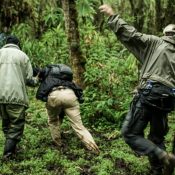
Every trek is led by experienced park rangers and trackers who monitor gorilla movements daily. They ensure your safety, interpret gorilla behavior, and help you find the gorilla family efficiently. -
One Hour with a Gorilla Family:
Once you locate the gorillas, you’re allowed to spend a full hour in their presence — observing them feed, play, interact, and care for their young. -
Park Entrance Fees:
The cost of entering the national park is already included in your permit, so there’s no need for separate payment. -
Security and Safety Support:
Your fee contributes to ranger patrols and anti-poaching units that protect gorillas and their fragile habitats year-round. -
Conservation and Community Contribution:
A percentage of every permit (typically around 10–20%) goes directly to local community projects — such as schools, health centers, and road development — ensuring that nearby communities benefit from tourism.
What’s Not Included
Gorilla Trekking Cost for the permit covers the essentials, there are additional costs to plan for:
-
Accommodation: Lodging before and after the trek (usually near the park headquarters).
-
Transportation: Transfers to and from the park, which can include private vehicles or domestic flights.
-
Porter Fees: Hiring a porter ($15–$25) is optional but highly recommended — they’ll carry your backpack and offer support on steep trails while earning valuable income.
-
Tips and Gratuities: Optional but appreciated for guides, trackers, and porters.
-
Meals and Personal Gear: Snacks, water, hiking gear, and rain protection are your responsibility.
Essentially, your gorilla trekking permit covers the core experience and conservation impact, while your additional spending ensures comfort and convenience during your adventure.
4. Additional Costs to Consider
While the Gorilla Trekking Cost is the biggest investment, there are several other expenses that complete your overall experience. Budgeting for these ensures a smooth, comfortable, and well-prepared trip.
Accommodation ($50 – $1,000+ per night)
Your choice of accommodation greatly affects your comfort and budget. Around gorilla parks in Uganda, Rwanda, and Congo, you’ll find everything from budget guesthouses ($50–$100) to midrange lodges ($150–$300) and luxury eco-lodges ($600–$1,000+). Most lodges are located close to park headquarters for easy early-morning starts and often include meals and Wi-Fi.
Transport ($100 – $400 round trip)
Transportation costs depend on your route and travel style. A private 4×4 safari vehicle from Kigali to Volcanoes National Park or Entebbe to Bwindi can cost between $200–$400, depending on distance and fuel prices. Shared transfers or group safaris are cheaper, while domestic flights (like Entebbe to Kihihi or Kisoro) save time but cost more.
Meals & Drinks ($30 – $100 per day)
Most lodges near the parks offer full-board packages that include breakfast, lunch, and dinner. Meals are often locally inspired and hearty, perfect after long hikes. Soft drinks are usually included, while alcoholic beverages are extra. Budget travelers can also find affordable local restaurants in nearby towns.
Porter Fees ($15 – $25)
Hiring a porter is highly recommended. They’ll carry your backpack, help you on steep or slippery terrain, and make your trek much easier. It’s not only practical but also supports local livelihoods, as many porters are former poachers turned conservation allies.
Visa Fees ($50 – $100)
Visa fees vary by country. A single-entry visa for Uganda or Rwanda typically costs $50, while the East Africa Tourist Visa ($100) allows multiple entries into Uganda, Rwanda, and Kenya — perfect for travelers on multi-country safaris. For Congo, check the latest requirements before arrival.
Tipping ($10 – $20 per guide or porter)
Tipping isn’t mandatory but is a meaningful way to show appreciation. A guideline is $10–$20 per trek for guides, trackers, or porters. It goes a long way in supporting the dedicated people who make your gorilla encounter possible.
5. Country-by-Country Comparison
Uganda
-
Permit: $800
-
Gorilla Habituation: $1,500
-
Best For: Adventure seekers, extended safaris, wildlife variety
-
Extras: Combine gorillas with safaris in Queen Elizabeth or Murchison Falls National Parks.
Rwanda
-
Permit: $1,500
-
Best For: Luxury travelers, short trips
-
Extras: Golden monkey tracking, cultural tours, and easy access (2.5 hrs from Kigali).
Congo
-
Permit: $400–500
-
Best For: Budget travelers and adventure enthusiasts
-
Extras: Mount Nyiragongo hike, chimpanzee tracking, and authentic wilderness.
6. When to Book Gorilla Permits
Gorilla permits are limited to 8 people per gorilla family per day, so booking early is crucial.
-
Book 3–6 months in advance for high season (June–September, December–February).
-
For low season, you might secure last-minute permits, but weather can be unpredictable.
7. Tips to Get the Most Value
-
Book through a licensed tour operator — they handle logistics, permits, and transport.
-
Travel in a group to share transport costs.
-
Combine gorilla trekking with other park activities to make the most of your trip.
-
Choose mid-range lodges for comfort without breaking the bank.
-
Hire a porter — not just for help, but to support local communities.
FAQ: Gorilla Trekking Costs
1. Why is gorilla trekking expensive?
Because it’s a highly protected activity. The money funds ranger patrols, anti-poaching efforts, and community conservation programs.
2. Can I get discounts on permits?
Uganda and Congo sometimes offer discounts during low season (March–May, October–November). Rwanda rarely discounts its permits.
3. Are gorilla permits refundable?
No, but you can sometimes reschedule if you notify park authorities in advance.
4. Is the experience worth the cost?
Absolutely. Seeing gorillas up close in their natural habitat is one of Africa’s most emotional and unforgettable experiences.
Final Thoughts
While gorilla trekking isn’t cheap, it’s truly a once-in-a-lifetime adventure that directly supports conservation and communities protecting these gentle giants. Whether you choose Uganda for adventure, Rwanda for luxury, or Congo for affordability, the experience is equally powerful — an intimate, awe-inspiring moment shared with one of the world’s rarest creatures.