
Garamba National Park | Discover Congo’s Untamed Wilderness
Garamba National Park, located in the northeastern corner of the Democratic Republic of the Congo, is one of Africa’s oldest national parks and a UNESCO World Heritage Site. Established in 1938, Garamba is renowned for its diverse ecosystems, stunning landscapes, and unique wildlife. Despite facing significant conservation challenges, it remains a symbol of the battle to protect Africa’s natural heritage. Here’s an in-depth look at what makes Garamba National Park one of the most remarkable and endangered parks in Africa.
Garamba National Park covers approximately 4,920 square kilometers (1,900 square miles) of diverse terrain, characterized by a mix of savannah, grasslands, woodlands, and dense forests. The park’s varied landscapes create a mosaic of habitats that support an extraordinary array of flora and fauna.
- River Systems: The park is traversed by several rivers, including the Dungu and Garamba Rivers, which provide essential water sources for wildlife and form a network of wetlands, marshes, and oxbow lakes. These water bodies are teeming with life and play a crucial role in the park’s ecosystem.
- Open Savannahs: The wide, open savannahs of Garamba are dotted with towering termite mounds, rocky outcrops, and scattered trees, creating a classic African landscape that is perfect for game viewing. These grasslands are vital feeding grounds for herbivores like elephants, giraffes, and buffalo.
- Woodlands and Forests: The park’s woodlands and patches of gallery forests provide shelter and food for a variety of animals. The mix of acacia, mahogany, and other hardwood trees creates shaded areas where wildlife can find respite from the heat.
Flora of Garamba National Park
Garamba’s vegetation is a rich blend of Central African forest species and Sudanian savannah flora, reflecting the park’s position at the ecological crossroads between the dense rainforests of the Congo Basin and the drier savannahs to the north.
- Grasslands and Savannahs: The park’s grasslands are dominated by tall grasses like elephant grass, which can grow up to three meters high. These vast plains are interspersed with species of acacia and other drought-resistant trees, providing food and habitat for grazing herbivores.
- Riparian and Wetland Vegetation: Along the rivers and wetlands, papyrus reeds, water lilies, and other aquatic plants thrive. These areas are crucial for supporting birdlife and other animals that rely on water-based habitats.
- Woodlands and Forest Patches: The scattered woodlands feature a variety of trees, including ebony, mahogany, and wild fig trees. These areas provide fruit, shade, and nesting sites for numerous species, including primates and birds.
Wildlife of Garamba National Park
Garamba National Park is home to an impressive array of wildlife, including some of Africa’s most iconic and endangered species. The park’s location at the meeting point of different ecological zones supports a unique mix of savannah and forest species, making it one of the most biodiverse regions in Africa.
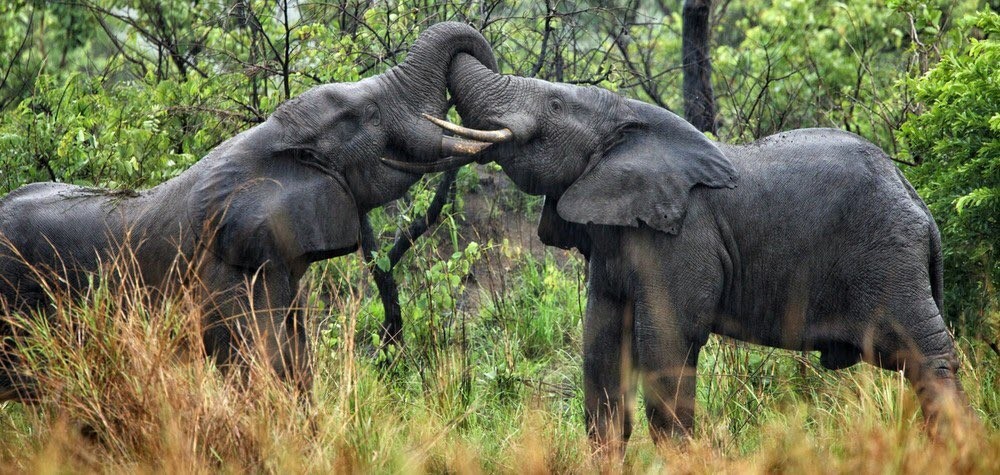
- African Elephants Garamba is home to one of the last remaining populations of African elephants in the region. These majestic animals, both savannah and forest elephants, roam freely in the park, contributing to the ecological balance by helping to shape the landscape through their feeding habits.
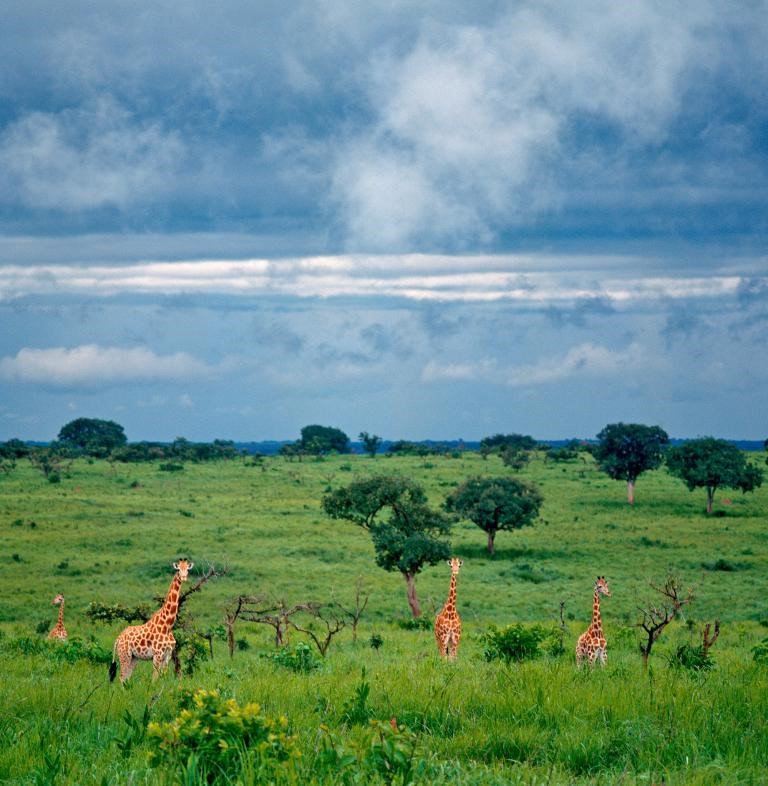
- Kordofan Giraffe: The park is famous for its population of Kordofan giraffes, one of the most endangered subspecies of giraffe. Known for their distinctively pale coloration and unique patterns, these giraffes are found only in a few protected areas in Central Africa, making Garamba a crucial sanctuary for their survival.
- Hippopotamuses and Crocodiles: The rivers and wetlands of Garamba are teeming with hippos and Nile crocodiles. These water-dependent species play an essential role in the park’s aquatic ecosystems, with hippos helping to maintain waterways by grazing on aquatic plants.
- Buffalo and Antelope Species: Garamba’s vast savannahs are home to large herds of African buffalo, as well as a variety of antelope species such as hartebeest, waterbuck, and Uganda kob. These herbivores are key prey species for the park’s predators and contribute significantly to the ecosystem’s dynamics.
- Lions and Leopards: As apex predators, lions and leopards are vital to maintaining the health of Garamba’s ecosystems. Although their numbers have declined due to poaching and habitat loss, they remain a symbol of the park’s wild nature.
- Birdlife: Garamba is a haven for birdwatchers, boasting over 340 recorded bird species. The park’s varied habitats support a diverse array of avian life, including the African fish eagle, saddle-billed stork, and the secretive shoebill, a rare and prehistoric-looking bird found in the wetlands.
- Primates: The park is also home to several primate species, including olive baboons, vervet monkeys, and black-and-white colobus monkeys. These primates play a crucial role in seed dispersal and forest regeneration.
Things to Do in Garamba National Park
Garamba National Park, one of Africa’s most remote and wild protected areas, offers a unique and authentic safari experience far from the crowds of more popular destinations. With its vast savannahs, diverse wildlife, and unspoiled landscapes, Garamba provides visitors with an opportunity to explore nature in its rawest form. Here are the top things to do in Garamba National Park:
1. Game Drives
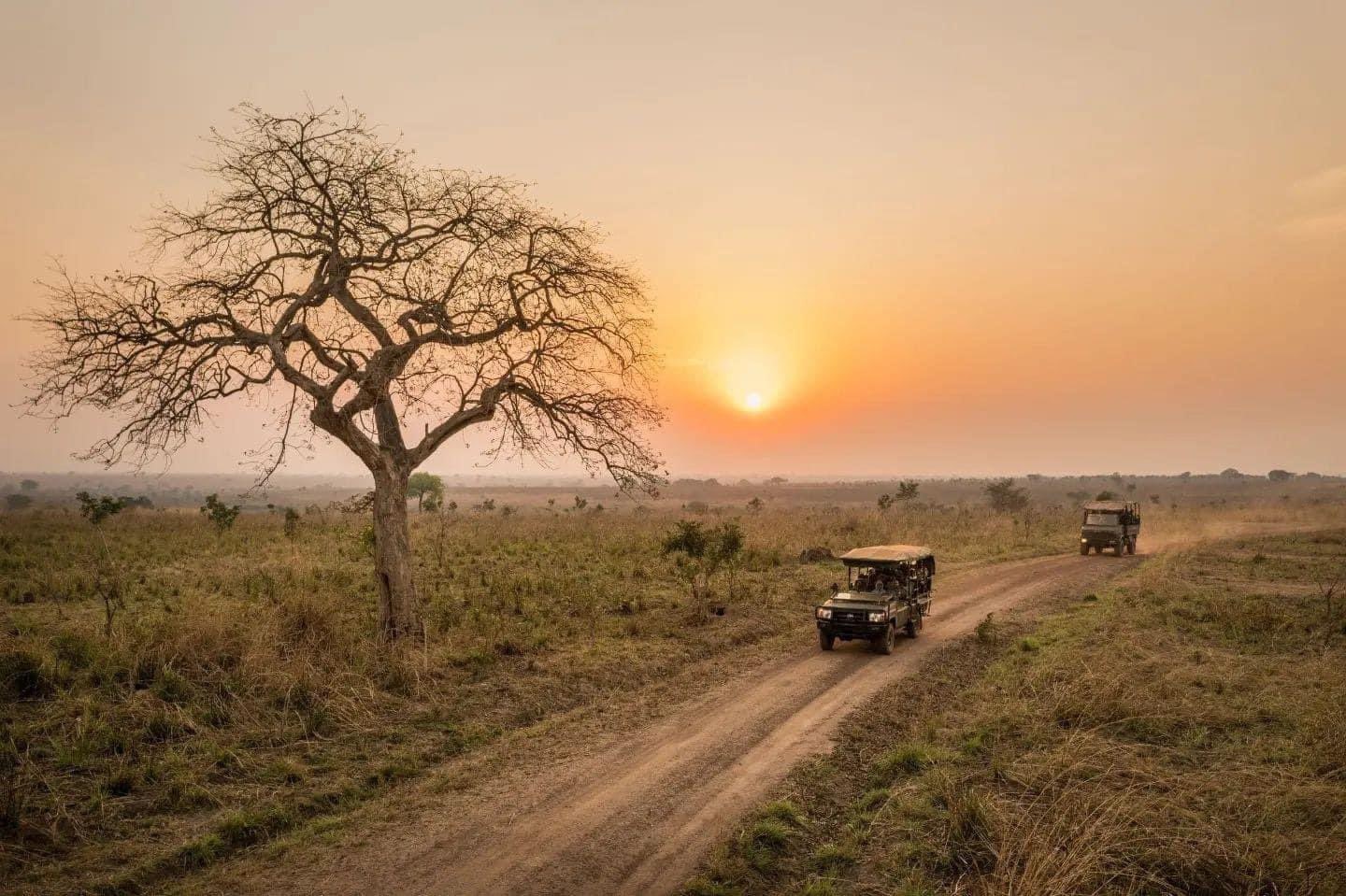 Game drives in Garamba National Park offer some of the best wildlife viewing opportunities in Central Africa. The park’s mix of savannah, woodlands, and riverine habitats creates a dynamic landscape where a variety of animals thrive.
On the game drive safari, you will look out for the endangered Kordofan giraffe, unique to this region, and the chance to see herds of African elephants, which are a significant attraction of the park. Predator sightings, including lions and leopards, add an element of excitement to the game drives.
2. Bird Watching
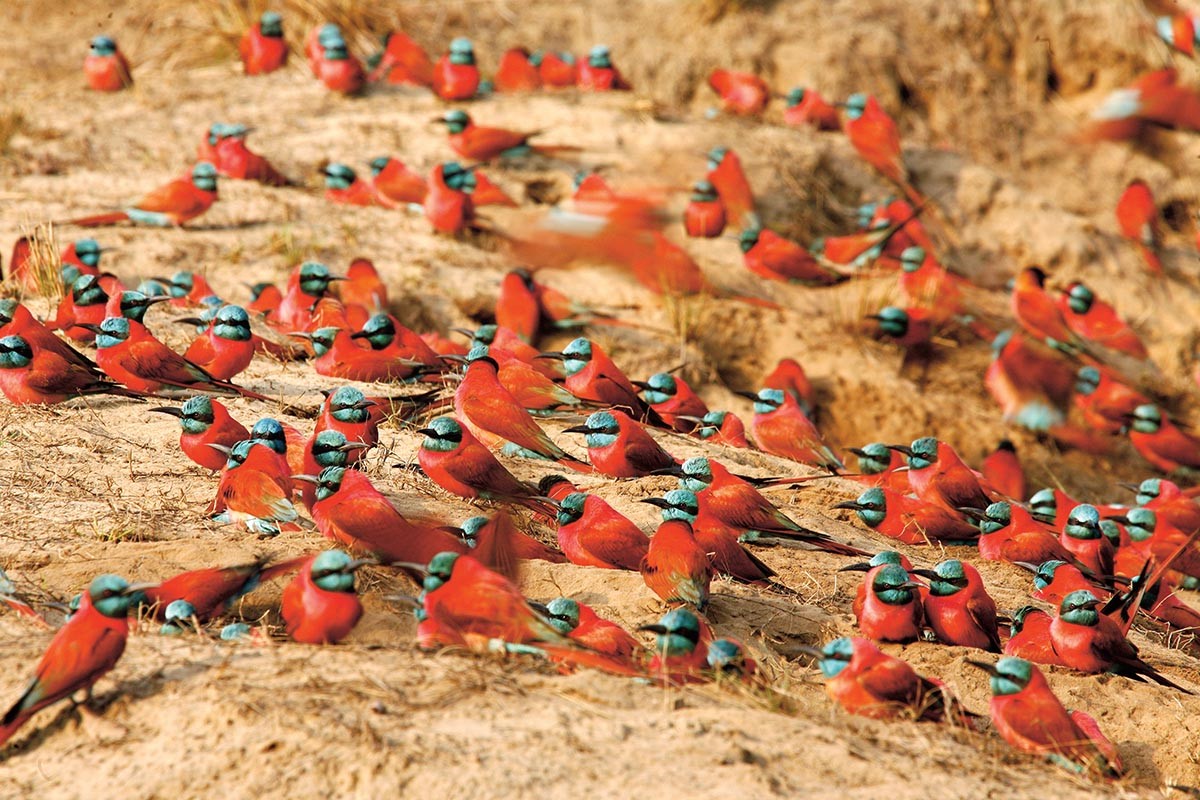 Garamba National Park is a birdwatcher’s paradise, boasting over 340 recorded bird species. The park’s diverse habitats, including wetlands, savannahs, and forests, support a wide range of birdlife, making it an ideal destination for bird enthusiasts.
- Species to Spot: Notable species include the African fish eagle, saddle-billed stork, the rare shoebill, and various species of bee-eaters, hornbills, and weavers. The park’s rivers and lakes attract waterfowl and wading birds, while forested areas are home to colorful turacos and parrots.
- Best Spots: Birdwatching can be enjoyed during game drives, boat trips, and guided walks. The park’s guides are adept at spotting and identifying the different species, making the experience rewarding for both novice and experienced birders.
3. Guided Nature Walks
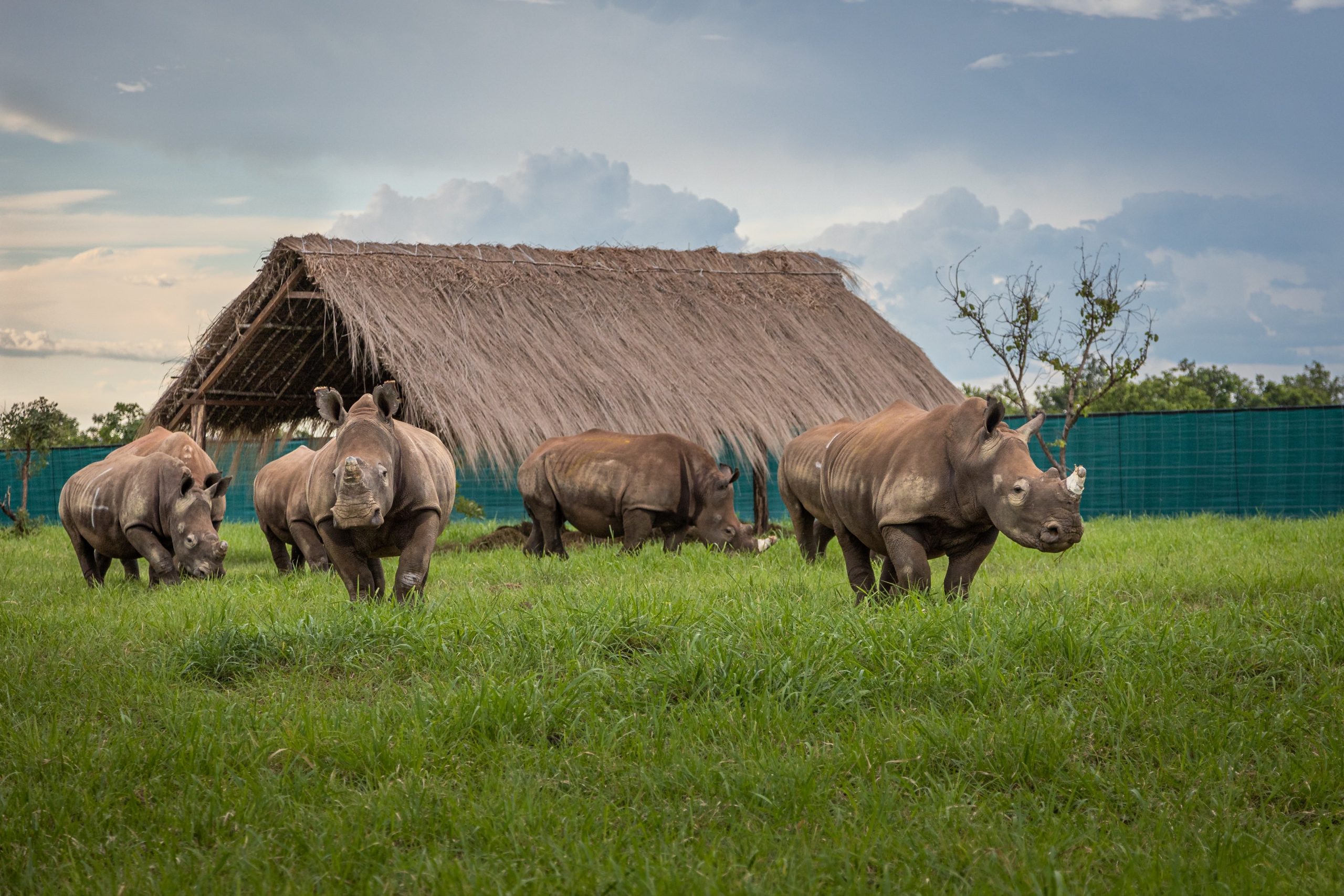 Guided nature walks offer a more intimate way to explore Garamba’s diverse ecosystems. Walking through the park’s savannahs, woodlands, and along riverbanks allows visitors to appreciate the smaller details of the landscape that are often missed during game drives.
- What You’ll Experience: On foot, you’ll have the chance to see smaller animals, insects, and plants up close, learn about animal tracks, and hear the sounds of the wilderness. It’s an immersive experience that connects you deeply with the environment.
- Safety: Walks are conducted by experienced armed guides to ensure safety, as the park is home to large and potentially dangerous wildlife. Your guide will share insights into animal behavior and the importance of conservation efforts in the park.
4. Boat Safaris on the Dungu and Garamba Rivers
Exploring Garamba’s rivers by boat provides a unique perspective of the park’s aquatic ecosystems. Boat safaris offer a tranquil way to see wildlife such as hippos, Nile crocodiles, and a variety of waterbirds.
- What to See: Boat trips along the Dungu and Garamba Rivers allow you to get close to hippos as they wallow in the water and watch crocodiles sunbathing on riverbanks. Birdlife is abundant along these waterways, providing excellent opportunities for photography.
- Ideal Times: Early morning and late afternoon boat safaris are the best times to see wildlife as they come to the water to drink and feed. The sunsets over the river create breathtaking views, perfect for relaxing after a day of exploration.
5. Tracking Elephants and Giraffes
Garamba is one of the few places in the world where you can track elephants and the endangered Kordofan giraffe on foot. This activity offers an unparalleled experience of being close to these majestic animals in their natural habitat.
- How It Works: Accompanied by expert trackers and rangers, you’ll follow the trails left by elephants or giraffes through the savannah. This activity is both exhilarating and educational, providing insights into the behavior, feeding patterns, and conservation challenges faced by these species.
- Conservation Insight: Tracking these animals also highlights the ongoing efforts to protect them from poaching and other threats, making this a meaningful experience that connects visitors to the park’s conservation story.
6. Visit to Park Headquarters and Ranger Stations
A visit to Garamba’s park headquarters offers a behind-the-scenes look at the work being done to protect this incredible ecosystem. Visitors can meet the rangers and conservationists who dedicate their lives to preserving Garamba’s wildlife.
- Activities: Learn about the park’s history, conservation challenges, and anti-poaching efforts. The rangers often share stories of their experiences on the front lines of wildlife protection, providing a unique perspective on the park’s daily operations.
- Support Conservation: Purchasing souvenirs at the headquarters, such as handmade crafts or ranger memorabilia, directly supports the park’s conservation initiatives.
7. Cultural Encounters with Local Communities
Garamba is surrounded by local communities with rich cultural traditions. Engaging with these communities offers visitors the chance to learn about the lives of people who coexist with wildlife and support the park’s conservation efforts.
- Activities: Enjoy traditional dances, music, and crafts that reflect the cultural heritage of the local tribes. Community visits provide insight into traditional ways of life, farming practices, and the sustainable use of natural resources.
- Community-Based Tourism: By participating in cultural activities, you contribute to the local economy and help foster positive relationships between the park and surrounding communities.
Conservation Challenges at Garamba National park
Despite its natural beauty and biodiversity, Garamba National Park faces significant conservation challenges that threaten its wildlife and ecosystems.
- Poaching: Poaching, driven by the illegal wildlife trade, poses the most severe threat to Garamba’s iconic species, particularly elephants and giraffes. Heavily armed poachers target these animals for their ivory and other body parts, leading to drastic declines in populations.
- Armed Conflict: The park’s location near conflict zones has made it vulnerable to armed groups that exploit its resources. Rangers and conservationists face significant risks as they work to protect the park from these threats.
- Human-Wildlife Conflict: As human populations around the park grow, conflicts between wildlife and local communities increase. Crop raiding by elephants and other animals often leads to retaliatory killings, further threatening wildlife populations.
- Habitat Degradation: Illegal mining, logging, and encroachment by agriculture are significant issues that degrade the park’s habitats. These activities disrupt the natural balance and reduce the availability of resources for wildlife.
Conservation Efforts & Management of Garamba National Park
Garamba National Park is managed by the Congolese Institute for Nature Conservation (ICCN) in partnership with African Parks, a non-profit organization dedicated to the rehabilitation and long-term management of protected areas. Together, they are implementing various strategies to address the park’s challenges:
- Anti-Poaching Initiatives: Enhanced ranger training, aerial surveillance, and partnerships with local communities are critical components of the park’s anti-poaching strategy. These efforts aim to protect wildlife while ensuring the safety of rangers on the ground.
- Community Engagement: Conservation efforts in Garamba include working with local communities to promote sustainable livelihoods and reduce dependence on the park’s resources. Education programs and community-based conservation initiatives help foster a sense of ownership and responsibility for the park’s future.
- Habitat Restoration: Efforts to restore degraded habitats, such as reforestation and anti-erosion measures, are crucial for maintaining the park’s ecological integrity. These initiatives help ensure that Garamba’s landscapes continue to support its diverse wildlife.
- Research and Monitoring: Ongoing research and monitoring are essential for understanding the park’s ecosystems and the dynamics of its wildlife populations. Data collected from these activities inform management decisions and help guide conservation strategies.
Garamba National Park, a Last Bastion of Wild Africa
Garamba National Park is a living testament to the resilience of nature and the ongoing battle to preserve Africa’s wildlife heritage. Despite the challenges it faces, Garamba remains a critical stronghold for endangered species and a beacon of hope for conservation in the heart of Africa. Protecting this unique ecosystem is not only vital for the survival of its wildlife but also for the global effort to safeguard our planet’s most extraordinary natural treasures.